The Wind Has Shifted In Donbas, While Most Western Narratives Are Stuck In 2022
By: Giorgio Provinciali
Live from Ukraine
Oleksandrivka, Donetsk – A quick walk around this area is enough to see that the wind has shifted direction. In cities near the hottest parts of Donbas, like Oleksandrivka, life is busy, businesses are open as usual, and spaces that a few months ago were for rent or sale now host many of the businesses forced to relocate from places like Kramatorsk and Sloviansk.
Not only has Ukraine’s offensive capability greatly improved, but its defensive strength has as well. Sensors, drones, anti-drone REB systems, and detectors are everywhere and work perfectly, bringing new life to areas that only months ago might have seemed destined for decline.
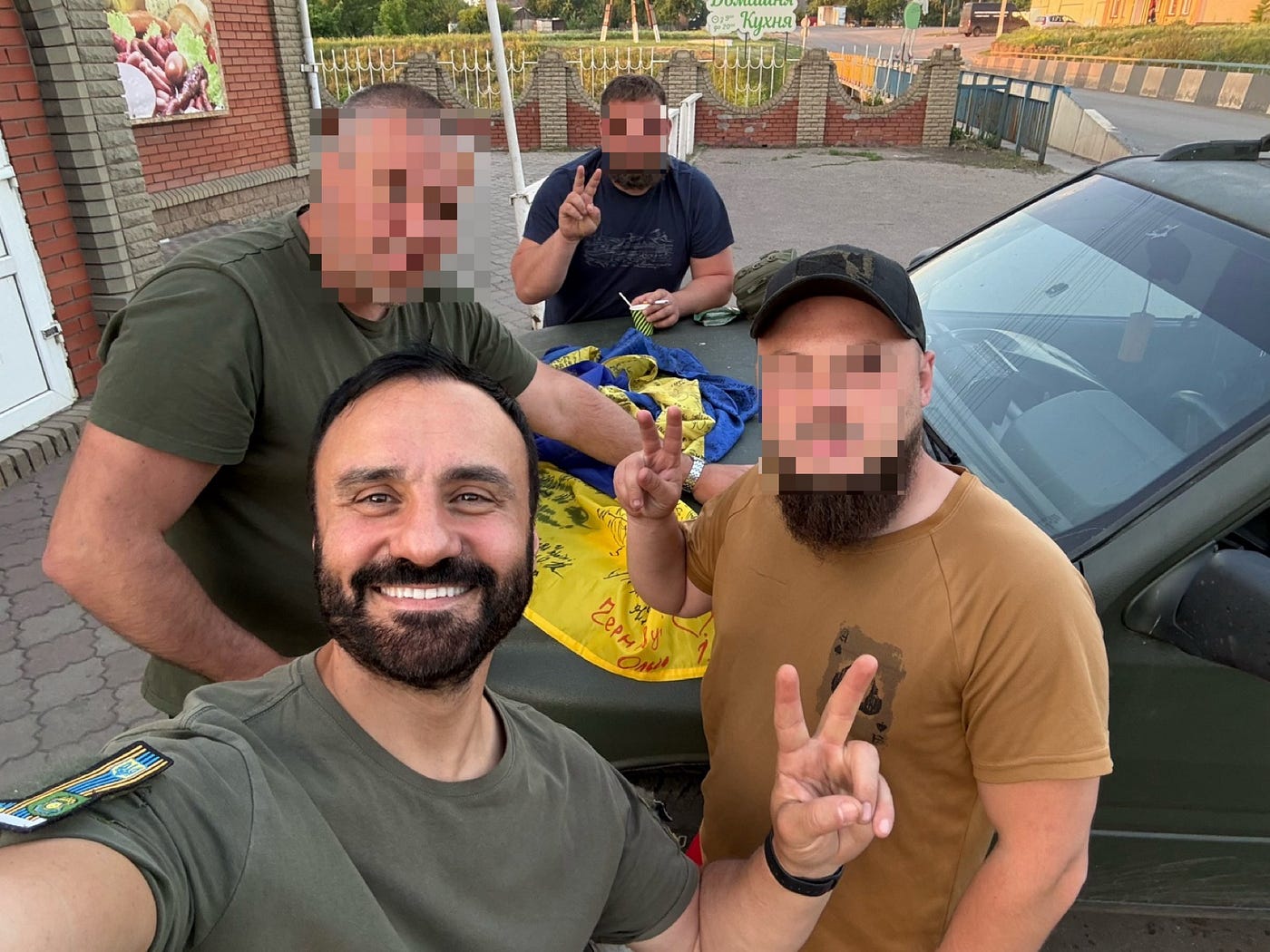
Of course, internet connectivity is highly restricted to prevent Russian drones from connecting to Ukrainian mobile networks. But this is the flip side of a coin that must consider the suffering and hardship we endured in these areas until just a few months ago, when they were nearly deserted and the remaining civilians fled, even avoiding a look.
Despite limitations on civilian connectivity, Ukraine’s ability to saturate the electromagnetic spectrum exploited by the Russians and to replace costly surface-to-air carriers with inexpensive interceptor drones – such as those seen in Oleksandrivka and the nearby Pokrovsk district – are clear examples of cost-effectiveness optimization.
Defense Minister Mykhailo Fedorov’s statement that Ukraine’s strategic goal is to achieve a stable 95% interception rate of Russian air targets seems fully realistic. As he noted in a meeting with journalists, the kill rate of long-range Russian UAVs like the Shahed/Geran’ by Ukrainian interceptor drones has doubled in four months. The supply of these essential interceptors has increased 2.6 times, and the development of affordable Ukrainian missiles to shoot down Russian jet drones is in progress. The number of reconnaissance UAVs has risen by 441%.
A total of 27 private companies have joined the project we described on these pages, affiliated with the Ukrainian integrated air defense system – a mesh network of sensors and actuators that dramatically increases its resilience – with the result that 20 enemy drones of that type have already been destroyed.
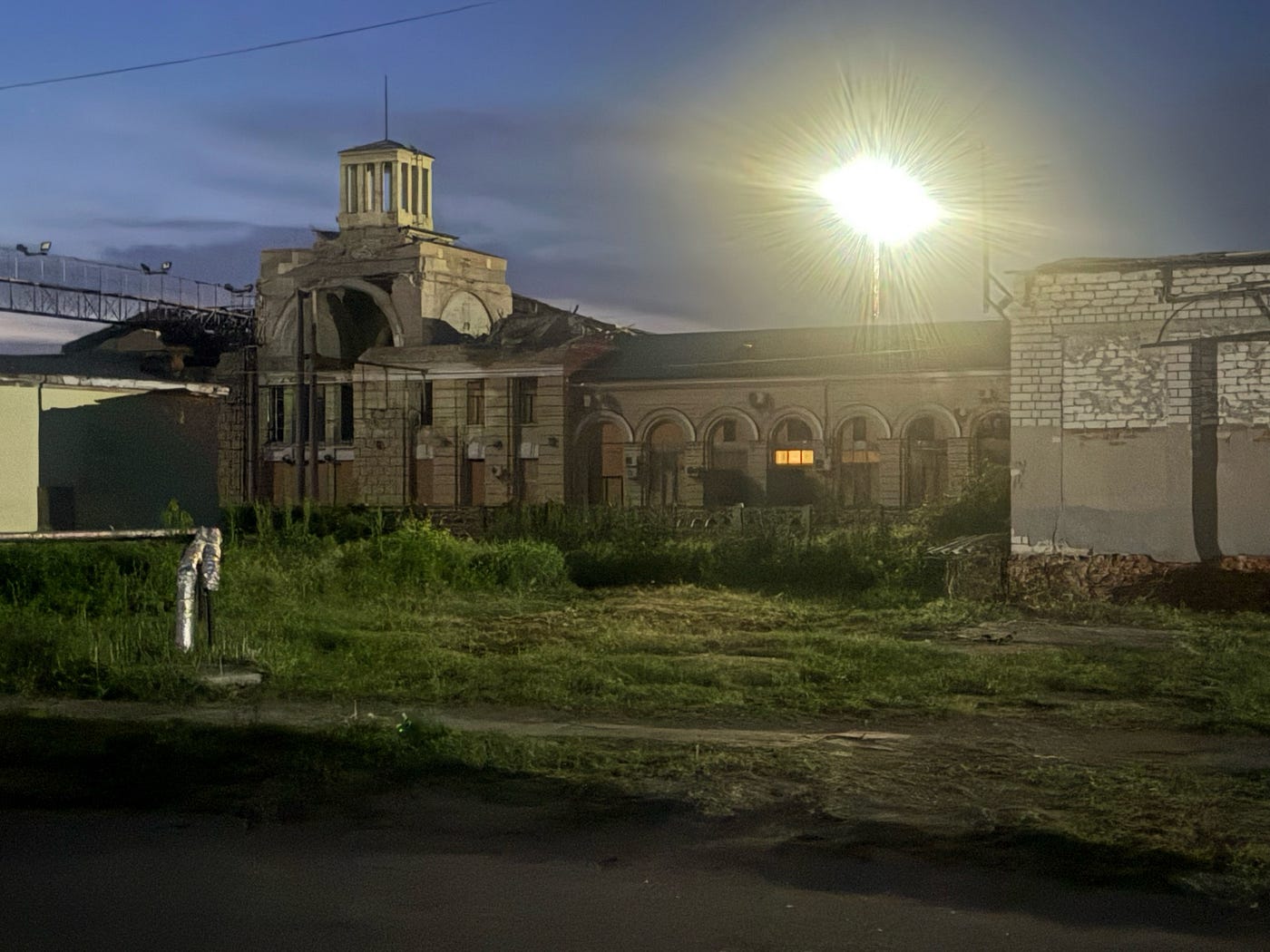
As Nona Mikhelidze, one of the few Italian analysts truly deserving of the title, pointed out yesterday in a post on X, what’s astonishing is how out of touch some Italian «journalists» are when it comes to documenting a battlefield they seem to have only seen a few times on video or, at best, experienced briefly with the help of a fixer before heading back to the hotel.
The media debate in Italy is fundamentally centered on narratives that describe a reality stuck months, if not years, ago.
In April, 35,203 Russians were killed or seriously wounded. In March, the figure was 35,351. Recruitment rarely exceeds 27,000 new units per month, and the deficit has been so negative for at least six months.
Every sporadic advance costs the Kremlin more territory on other fronts, so much so that even that balance is now clearly in the red – by at least 400–500 km² – over that same period. Kyiv’s stated objective is to inflict at least 200 human losses on the enemy for every kilometer of advance, consolidating a battlefield initiative now firmly in Ukrainian hands.
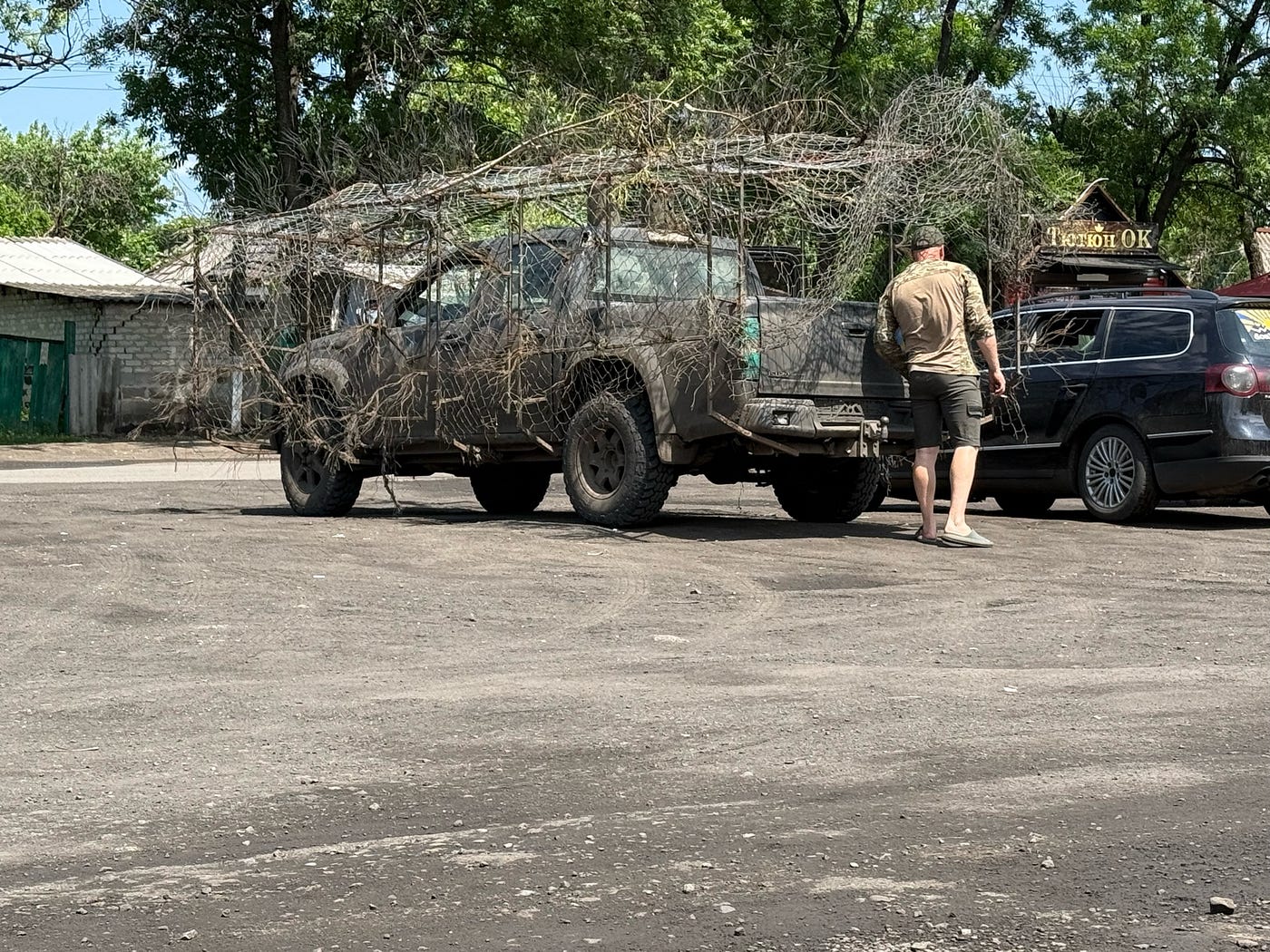
Structured by Commander-in-Chief Oleksandr Syrskyj in the impeccable manner we described in our previous dispatches, the logistics flow extremely smoothly, exploiting the modularity of all axes of a volumetric front very different from that of 2022.
However, Italian news coverage appears to have stopped there. It’s rare to see reports about the Ukrainian counterattacks that, just last week, reclaimed two settlements in Kharkiv Oblast’ for Kyiv and pushed Russian occupiers back to the border in several sectors of the same oblast’. We only read about sporadic gains when other agencies repost those reports. References to past events and circumstances are often presented as news. All major foreign research institutes agree that the Ukrainian Armed Forces are achieving their greatest successes on the ground since the Kursk operation.
The ЗСУ counterattacks have caused a series of consequences that have made the Russian spring offensive impossible, which has failed miserably behind a fortress belt in the Donbas that, in the twelfth year of the war, Moscow still has not reached.
We’re talking about targeted attacks like the one that killed around a hundred occupants in Kherson Oblast? the day before yesterday, destroying another Russian Pantsir S1 anti-aircraft system. These precise and lethal strikes are now happening regularly.
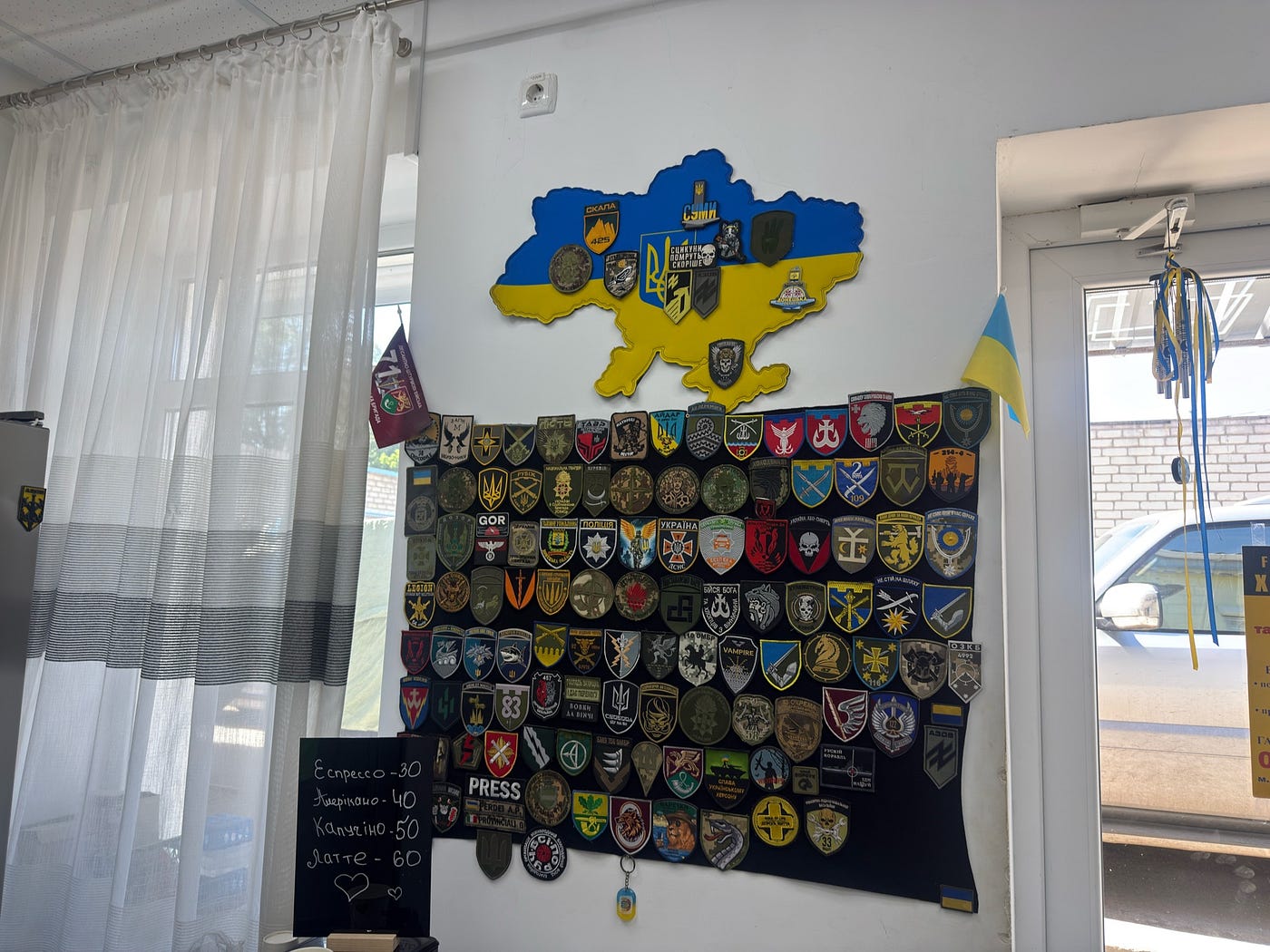
Therefore, faced with yet another concrete threat of a Russian breakthrough attempt that would exploit Belarusian territory on the northern front to replicate what we saw in 2022, we can only agree with President Zelensky: «The premise of any escalation is weakness». The unprecedented measures adopted by the government in the regions of Kyiv, Chernihiv, Zhytomyr, Volyn, and Rivne are aimed at discouraging and preventing precisely that attempt, which, however, could prove more fatal for Moscow than for Kyiv.
Considering how things are progressing on the hottest front in Donbas – we are writing this a 15-minute drive from Dobropillia, the declared target of the Russian regime – the decision to bolster efforts on the opposing front could be much more damaging for the Russians than for the Ukrainians.
While the situation here has shifted, elsewhere the news has stalled since 2022.

In 1.550 days of war, we recorded over 250 videos from ground zero and wrote more than 1,500 articles.
We are doing our best to provide genuine, first-hand reports from zones where almost no press dares to go. This means living in a kill zone constantly. We take the risk, but without your invaluable support, our voices would remain unheard and silent. Without brave people sharing our articles from afar, they would remain unread. Our reports would go unseen, and our efforts would be lost. There’s still a lot of work to do here, as the people around us are also in no better situation.
We’re renewing our fundraising campaign and thanking everyone who joins us in helping to restore what Russia is destroying. Moving forward with only a small reimbursement for each article from a brave newspaper that believes in us is extremely challenging. That’s why we are grateful to all the kind people who support us and trust in our mission.
Even a small donation helps.
We’ll keep you updated on developments.
Thank you all, dear friends
顿巴斯的风向已变,而大多数西方叙事仍停留在2022年
作者:Giorgio Provinciali
翻译:旺财球球
乌克兰前线报道
顿涅茨克,奥列克桑德里夫卡——在该地区附近随意走上一圈,就足以看到风向已发生改变。在靠近顿巴斯最激烈战区的城市,如奥列克桑德里夫卡,生活繁忙,商铺照常营业,而几个月前还挂牌出租或待售的空间,如今已成为许多被迫从克拉马托尔斯克和斯洛维扬斯克等地搬迁过来的企业的新址。
乌克兰不仅在进攻能力上大幅提升,其防御力量也同样增强。传感器、无人机、反无人机电子对抗系统和探测器无处不在,运作良好,为那些几个月前还似乎注定衰落的的地区带来了新的生机。
(图:此文发表前不久,我在乌克兰顿涅茨克的奥列山德里夫卡与乌克兰士兵一起拍摄的照片——版权所有,Giorgio Provinciali)
当然,为防止俄方无人机连接乌克兰移动网络,互联网连通在很大程度上受到限制。但这是硬币的另一面:必须考虑到我们在这些地区直到几个月前所承受的痛苦与艰辛,那时这些地方几乎被遗弃,留守的平民纷纷头也不回地逃离。
尽管平民通信受限,但乌克兰在电磁频谱压制方面的能力,即针对俄罗斯利用的频段进行全面覆盖并以廉价拦截无人机取代昂贵地空导弹系统,明显提升,例如在奥列克桑德里夫卡和附近的波克罗夫斯克区所见的这类设备,都是成本效益优化的典型例子。
国防部长米哈伊洛·费多罗夫所称乌克兰战略目标是实现对俄方空中目标稳定95%的拦截率,看来完全现实可期。正如他在一次记者会中所指出的,乌克兰拦截无人机在击落像沙赫德/格兰这样的俄方远程无人机的击毁率在四个月内翻了一番。这些关键拦截器的供应增加了2.6倍,且用于击落俄方喷气式无人机的廉价乌克兰导弹正在研发中。侦察型无人机数量增长了441%。
共有27家私人公司加入了我们在此前报道中描述的项目,隶属于乌克兰综合防空系统——一个由传感器与执行器组成的网状网络,大幅提升了系统的韧性。截至目前,该系统已击落此类敌方无人机20架。
(图:乌克兰洛佐瓦的火车站,受到俄罗斯炮弹的袭击,但仍在运行——版权所有,Giorgio Provinciali)
正如少数真正配得上“评论家”称号的意大利分析家诺娜·米克赫利泽昨日在X上指出的,令人惊讶的是一些意大利“记者”在记录战场时竟然与现实严重脱节,他们似乎只在视频中见过战场几次,或顶多在有向导的情况下短暂亲历,然后就回酒店了。
意大利的媒体讨论基本上围绕着那些描述数月乃至数年前情形的叙事展开。
四月有35,203名俄军被杀或重伤。三月为35,351。俄军征兵数很少超过每月27,000人,新兵缺口至少已持续六个月之久。
任何零星的推进都要以克拉姆林宫在其他战线付出更多领土作为代价,以至于即便是这类平衡也在同期明显呈现赤字,至少减少了400–500平方公里。基辅的明确目标是,每推进一公里敌方至少要付出200人以上的损失,从而巩固目前牢牢掌握在乌方手中的战场主动权。
(图:一名乌克兰士兵在他被防无人机网掩护的汽车旁——版权所有,Giorgio Provinciali)
在我们在此前报道中描述的,乌军总司令奥列克桑德尔·西尔斯基无可挑剔的精确规划下,后勤物流运行极为顺畅,与2022年的线性前线截然不同,如今的前线呈现立体化特征。
然而,意大利的新闻报道似乎止步于此。很少看到关于乌克兰反攻的报道,就在上周,乌军收复了哈尔科夫州的两个定居点,并将俄军占领者在该州若干地区逼回至边界。我们仅在其他机构转发这些报道时才读到零星的战果。旧闻和情形常被呈现为“新闻”。所有主要国外研究机构一致认为,乌克兰武装部队自库尔斯克行动以来在地面上取得了最大规模的成功。
乌克兰军队的反攻带来了一系列成果,使得俄方的春季攻势不可能实现,该攻势在顿巴斯的防御堡垒带前惨遭失败,至今在战争第十二年,莫斯科仍未突破该带。
我们说的是像前天在赫尔松州发生的那种精确打击,造成约百名占领者死亡,并摧毁了俄方另一套铠甲S1防空系统。这类精确且致命的打击现已成为常态。
(图:在本文描述的頓巴斯地区附近的一间宿舍里,一堵徽章牆(包括我们的)——版权所有,Giorgio Provinciali)
因此,面对俄方可能利用白俄罗斯领土在北线尝试复制2022年攻势的又一切实威胁,我们只能同意总统泽连斯基的看法:“任何升级的前提是软弱”。政府在基辅、切尔尼戈夫、日托米尔、沃伦和里夫内等地区采取的史无前例的措施,正式为了威慑和阻止那种尝试;而这种尝试发生,对莫斯科来说可能比对基辅更加致命。
考虑到顿巴斯最激烈前线的形势发展,本文写于距多布罗皮利亚约15分钟车程处,该地是俄方政权明确宣称的目标,在对立前线加大投入的决定,可能对俄方造成的损害远大于对乌方。
这里的局势已经发生转变,而其他地方的叙事却仍停留在2022年。
(图:Alla与我在乌克兰顿涅茨克的奥列克桑德里夫卡现场报道——版权所有,Giorgio Provinciali)
***
在1550天的战争中,我们从前线录制了250多段视频,并撰写了1500多篇文章。
我们尽最大努力从几乎没有媒体敢进入的地带进行真实的一手报道,这意味着我们长期生活在“杀伤区”。我们承担风险,但若没有你们宝贵的支持,我们的声音将无从传出。若没有远方的勇敢的人们转发分享我们的文章,它们将无人问津。我们的报道会被忽视,我们的努力将付诸流水。这里还有大量工作要做,周围的人们境况同样艰难。
我们正在更新筹款活动,感谢每一位加入我们、帮助修复俄罗斯破坏的人们。仅靠一家勇敢的报纸为我们每篇文章支付微薄稿酬以维持前线报道极为困难。因此,我们感激所有支持并信任我们使命的善良人们。
哪怕是小小的捐助也有助益。
我们会持续为你们更新事态进展。
谢谢大家,亲爱的朋友们
如果你认可我们的工作,请支持我们
在过去三年里,自乌克兰大规模战争爆发以来,作为自由撰稿人,我们一直在乌克兰战争的所有前线进行报道…
https://www.paypal.com/pools/c/9piP8j9xY5

