
曼库尔特工厂:当记忆成为目标时的连根拔除
The Mankurt Factory: Root and Uprooting When Memory Is the Target
By: Giorgio Provinciali
Live from Ukraine
Lviv – On May 18, 1944, the Soviet attempt to separate the Crimean Tatars from Crimea began, as one might sever a root from the earth, trusting that the plant would die without being cut down. In a few days, the NKVD emptied the peninsula: approximately 200,000 people, the vast majority of them women, the elderly, and children, were loaded into cattle cars and shipped to Central Asia and other remote regions of the USSR.
Estimates of the victims remain controversial: official sources and subsequent studies indicate tens of thousands of deaths; Tatar memory speaks of enormous percentages, up to nearly half of the population deported in the first years of exile. This numerical uncertainty is part of the crime: when a state deports a people and then controls the archives, even the dead become hostages of the executioner. Ukraine recognized the deportation as genocide in 2015; other states, including Latvia, Lithuania, Canada, Poland, Estonia, and the Czech Republic, followed or supported the same path of recognition.
Moscow’s genocidal intent, then, lay not only in the mortality caused by the deportation but in the totality of the act. Individual collaborators were not punished, nor were individuals prosecuted for proven responsibility: membership was condemned.
Being a Crimean Tatar became a source of guilt.
The logic was typical of empires that cannot dominate a land without first falsifying its people: eradicate the natives, disperse them, contaminate their memory, replace their physical presence with another population, and transform human geography into retroactive proof of conquest.
Crimea had to cease being Tatar to become fully Soviet, that is, Muscovite.
This point makes the parallel with today not only legitimate but necessary. In 1944, Moscow collectively accused the Crimean Tatars of treason and collaboration; today, Ukrainians are collectively accused of being «Nazis»«artificial», «deviant Russians», a population to be re-educated, filtered, evacuated, registered, and relocated.
The category changes its name, but not its function.
The enemy is defined not by what it has done but by what it is.
In 1944, Tatar identity was treated as a security issue for the Soviet state. First with the Розстр?ляне в?дродження, the so called ‘executed Renaissance’, then with the Holodomor and dekulakization, and then again since 2014, with the invasion of a fully sovereign state, Ukrainian identity has begun to be treated as a historical error to be corrected: with hunger, cold, linguistic repression, and then with missiles, occupation schools, deportations, forced adoptions, and administrative replacement.
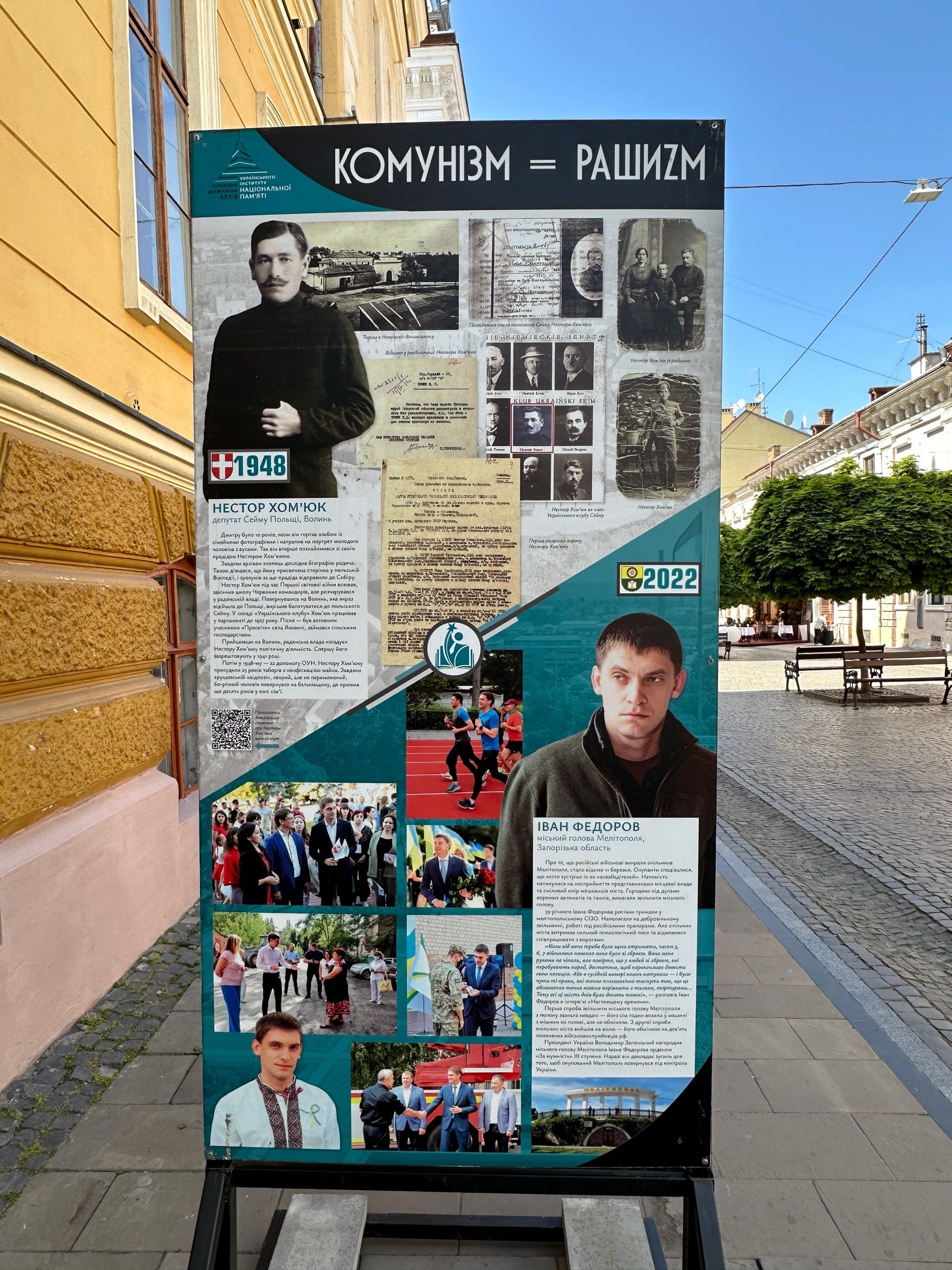
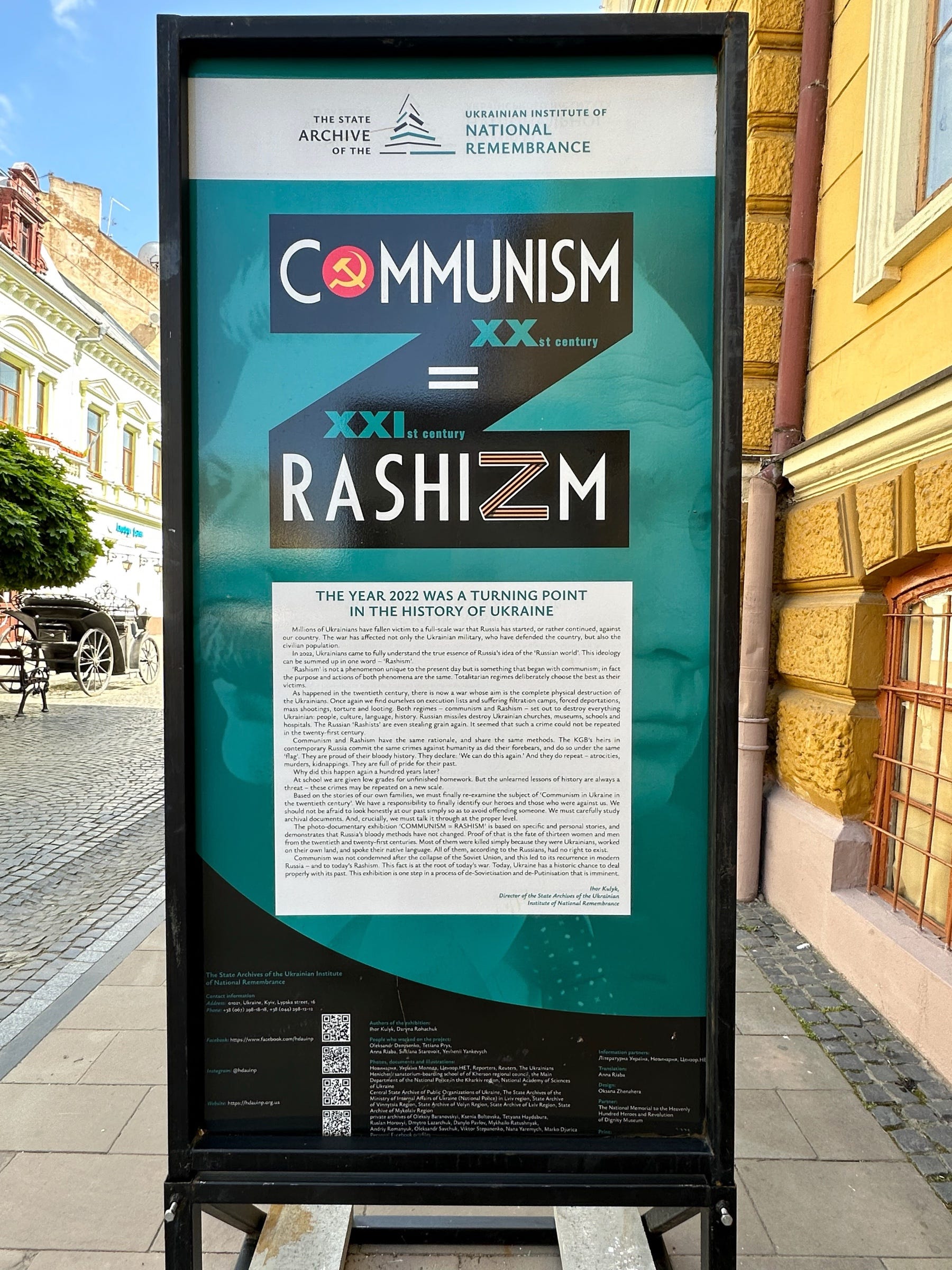
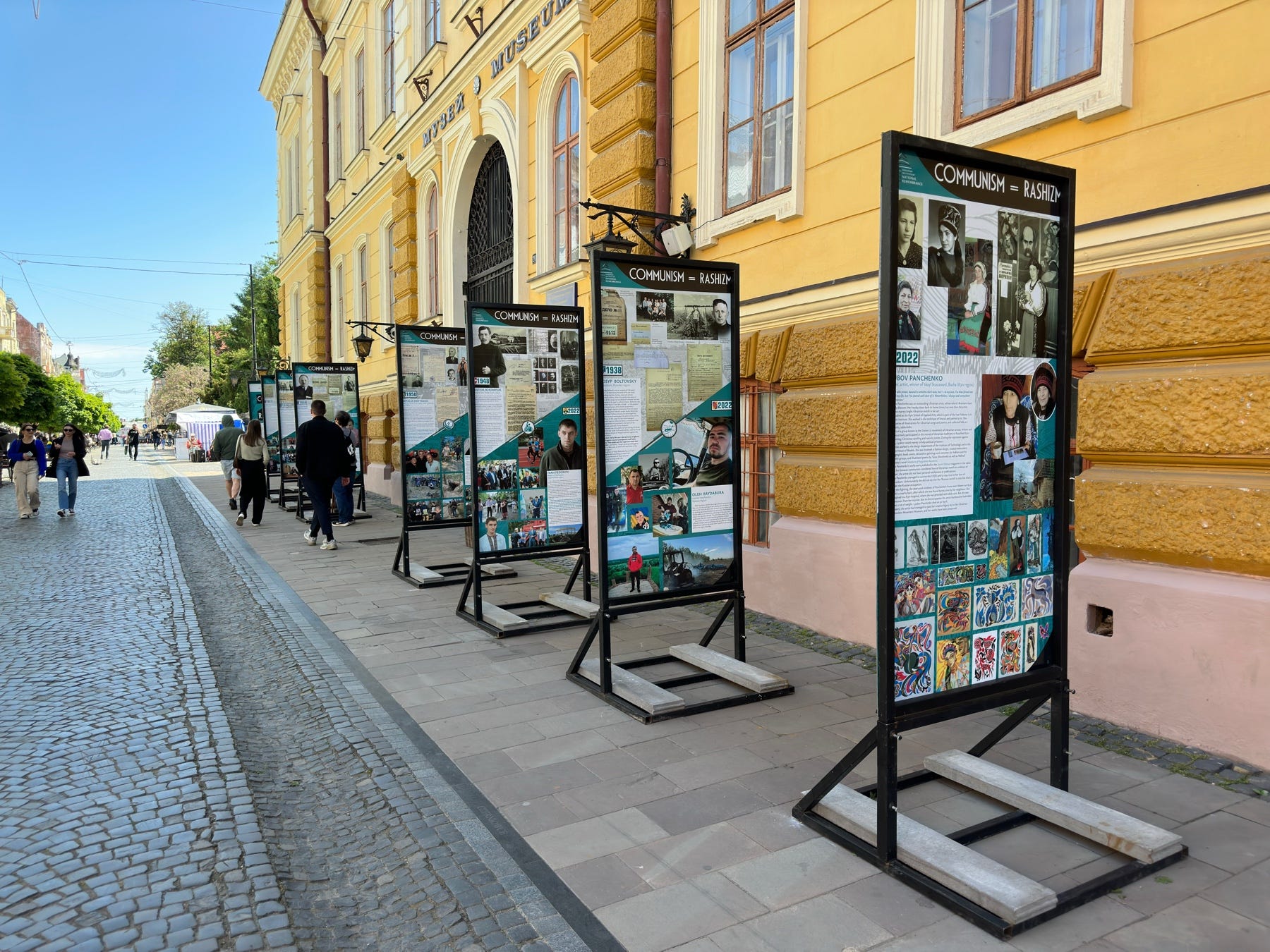
Promoted by the Ukrainian Archives of National Memory, the documentary exhibition “Communism = Rashism” parallels histories of the 20th and 21st centuries to demonstrate the continuity of Soviet and Russian methods in over forty cities across five countries.
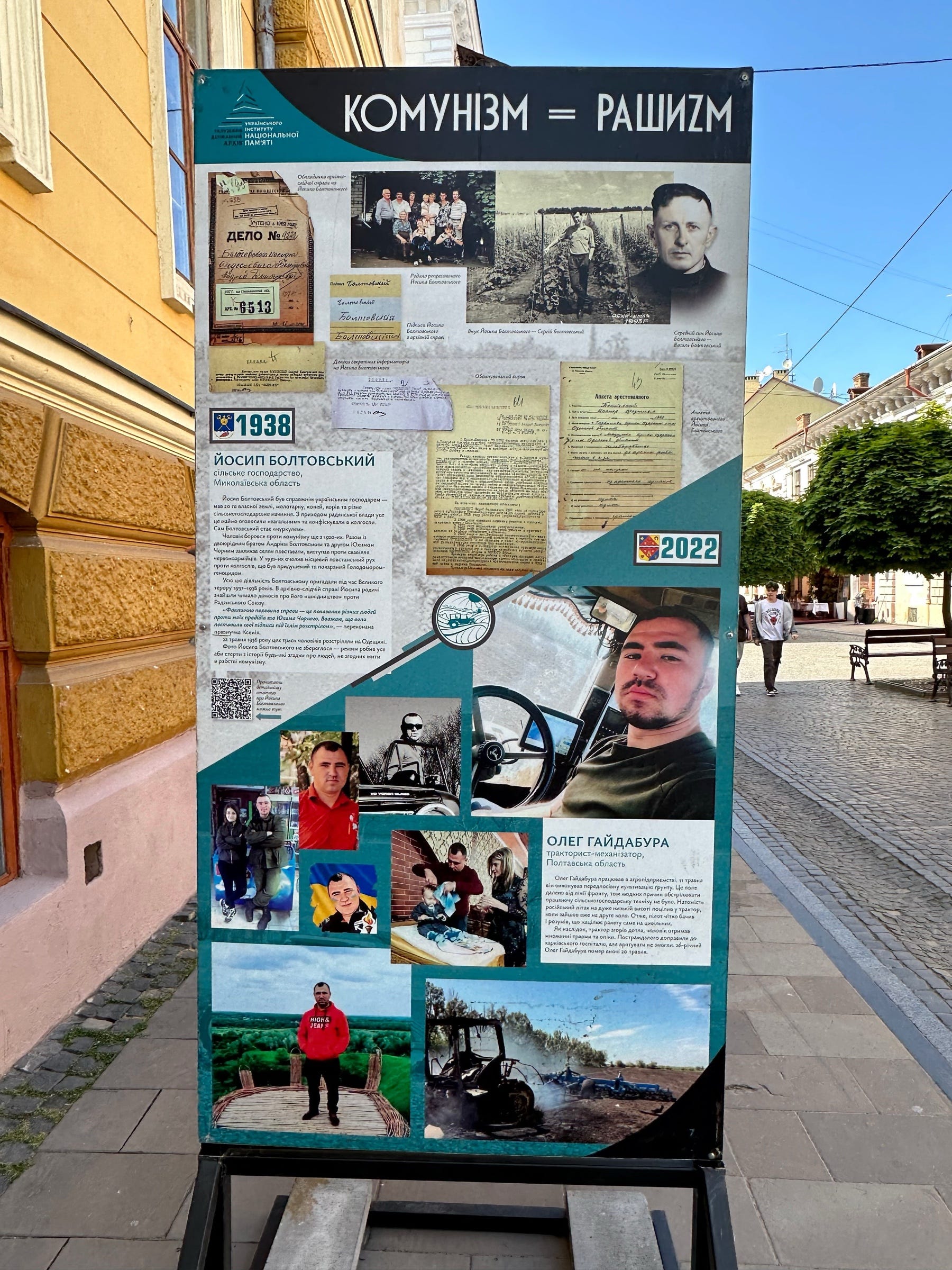
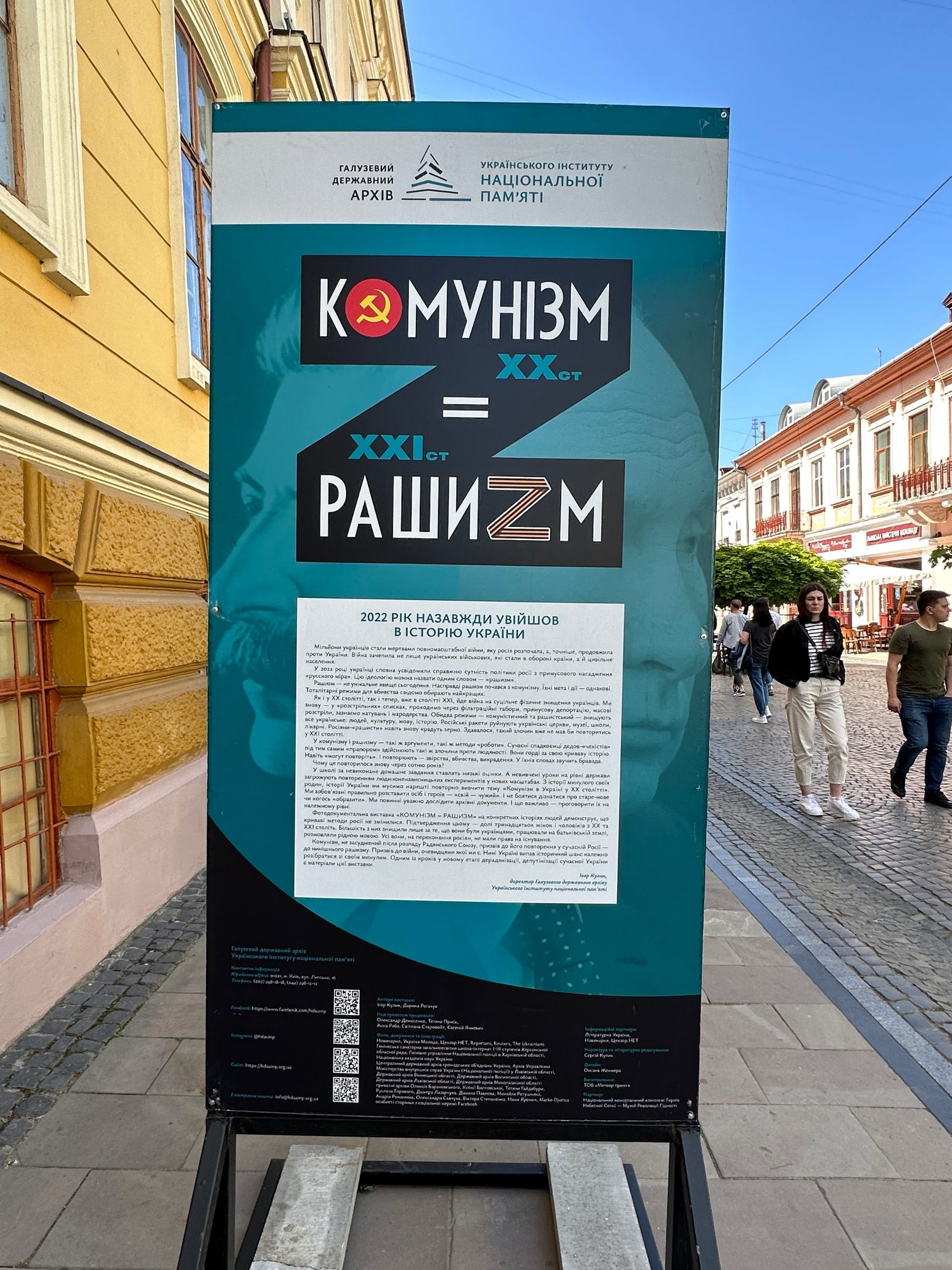
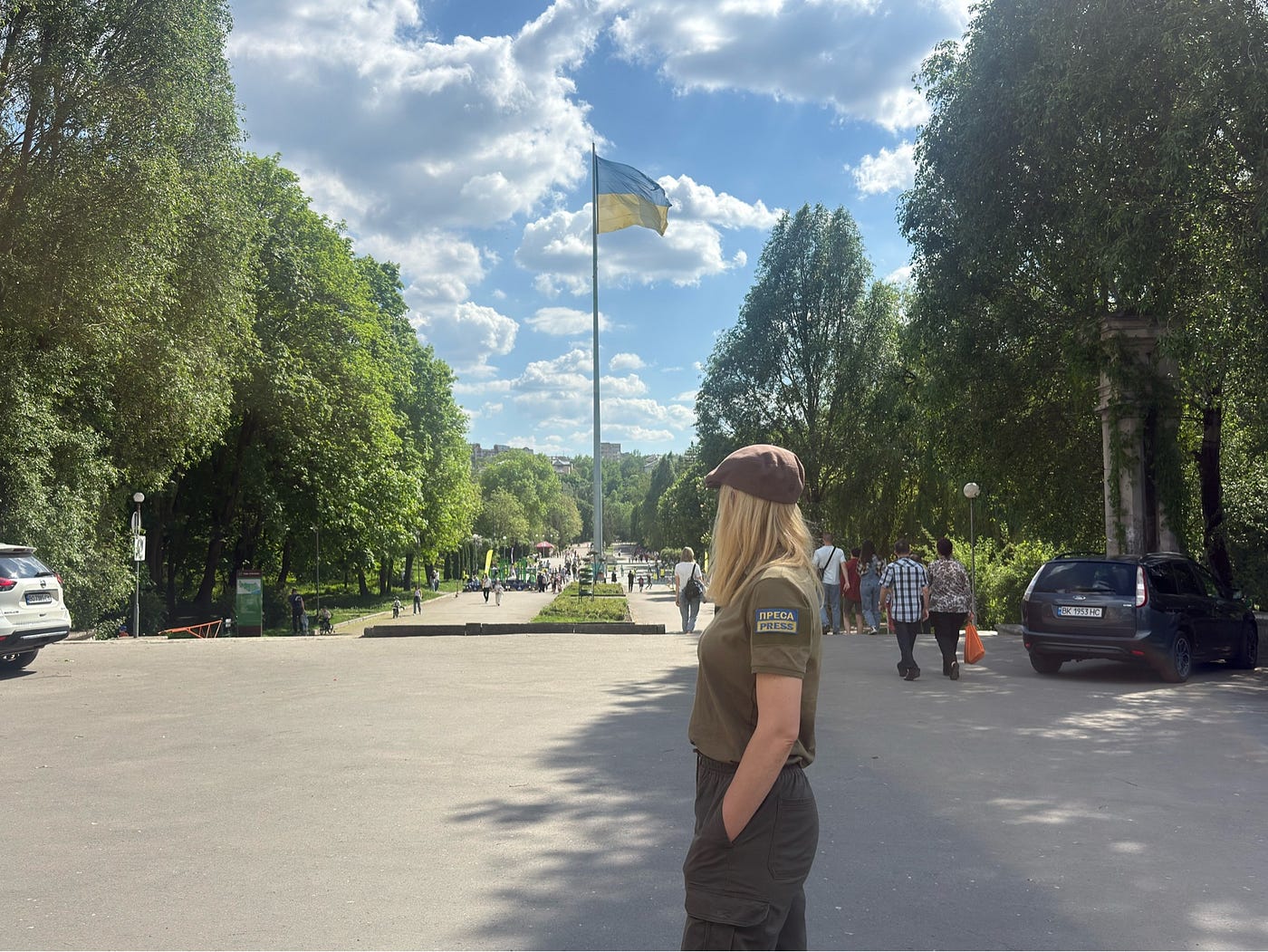
The ideology changes its vocabulary, flag, and liturgy but retains the same imperial impulse. The legal difference is that today the world cannot pretend not to know what to call these acts.
Article 49 of the Fourth Geneva Convention prohibits individual or mass forcible transfers and the deportation of protected persons from an occupied territory, regardless of the reason the occupier gives. The Genocide Convention includes the forcible transfer of children from one group to another as a genocidal act when committed with the intent to destroy, in whole or in part, a national, ethnic, racial, or religious group. The Rome Statute defines deportation or forcible transfer as a crime against humanity and, in specific contexts of occupation, also as a war crime.
This is why the International Criminal Court’s arrest warrant issued against Vladimir Putin and Maria Lvova-Belova on March 17, 2023, is of transcendental significance: the Court presumes they are responsible for the war crime of illegal deportation and transfer of Ukrainian children from occupied areas to the Russian Federation.
In 2026, the UN Independent International Commission of Inquiry on Ukraine took a further step, concluding that Russian authorities committed crimes against humanity, including deportation and forcible transfer of children, as well as forced disappearance. The Yale Humanitarian Research Lab has identified at least 210 facilities in Russia and the occupied territories involved in the re-education, militarization, foster care, or forced adoption of Ukrainian children; the OHCHR has documentedtransfers and deportations of civilians perceived by the occupation authorities as disloyal or noncompliant with imposed policies; Human Rights Watch and Amnesty International have described infiltrations, forced transfers, and deportations of Ukrainian civilians to Russia or other territories it illegally occupies.
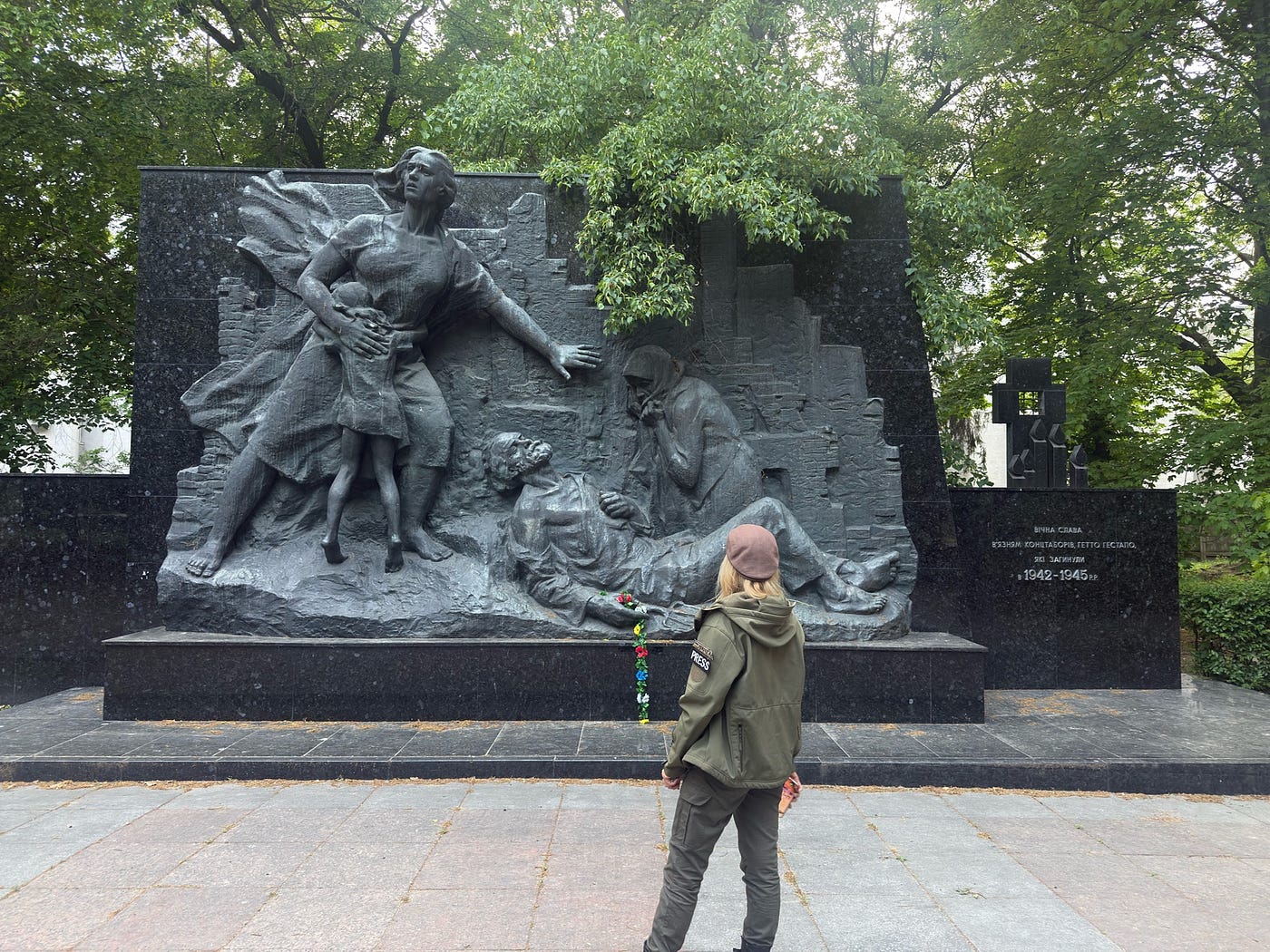
Historically, the aims of the Moscow-led Soviet regime in 1944 were clear: collective punishment, the elimination of an indigenous political entity in Crimea, the transformation of the peninsula into a more easily controllable and Russified space, and the prevention of a people with their own memory, language, and identity from claiming rights to their land.
Today, the Russian Federation’s aims are similar but applied to the entire architecture of occupied Ukraine: denying Ukraine’s status as a nation, emptying the conquered territories of their unassimilated population, transferring children and civilians, and imposing Russian citizenship, education, language, archives, property, and administration, thereby transforming military occupation into a presumed demographic reality.
If Taras Shevchenko, in the “Kavkaz”, had already identified the moral core of Russian imperialism, describing a power that speaks of civilization while carrying chains, crosses, and cannons, then in “The Day Lasts More Than a Hundred Years” Chingiz Aitmatov coined a nearly perfect metaphor for Russian policy toward deported Ukrainian children, consigning to literature the figure of the mankurt: a man whose memory is stripped away until he becomes docile to his master.
This is what Moscow does to Ukrainian children: it’s not enough to move them; they must be made to forget where they come from.
The inaction of other nations in the face of similar events has almost always produced the same result: the aggressor interprets others’ caution as license.
Munich in 1938 allowed Nazi Germany to annex the Sudetenland in the hope of avoiding a war that came the following year; Rwanda and Srebrenica have become, in the memory of international law, the names of the failure to prevent or stop mass atrocities.
Aggressor states monitor the world’s tolerance threshold. If the price of deportation is merely a declaration, the deportation continues. If the price of annexation is merely a negotiating formula, annexation becomes a precedent. If the price of cultural genocide is merely annual indignation, the executioner learns the calendar of commemorations and works on the days in between.
From the Second World War to the present, the history of invasion wars shows a recurring pattern that has not spared the victorious nuclear powers (although the USSR was Hitler’s first ally in the Molotov-Ribbentrop Pact): states that attempted to subjugate another people, dispossess them of their land, or erase their identity have often achieved tactical victories but suffered strategic catastrophes.
The United States withdrew from Vietnam in 1973 after an unbearable human, political, and moral cost. The USSR withdrew from Afghanistan in 1989, after a war that contributed to the irreversible erosion of the Soviet system. In Algeria, France won many battles but lost the political war for independence. The Prague Spring confirms the other side of the coin: the 1968 Soviet invasion temporarily crushed Czechoslovakian reforms but failed to erase the demand for freedom, which resurfaced in 1989 in the Velvet Revolution. The empire won the day the tanks rolled in, but lost the day society remembered it had been right.
One could continue with East Timor, invaded and annexed by Indonesia in 1975, which became a sovereign state in 2002 after resistance and international pressure; with the Portuguese colonies in Africa, where the colonial war accelerated the crisis of the Lisbon regime and led to the independence of Guinea-Bissau, Angola, Mozambique, Cape Verde, and São Tomé and Príncipe; with Iraq, where the 2003 invasion overthrew a regime but ushered in a regional strategic catastrophe; with post-2001 Afghanistan, where twenty years of Western military presence failed to produce a stable state capable of surviving withdrawal.
The only armed conflicts that history tends to judge as foundational victories for those who fought them are those for independence or liberation from external domination: Ireland, Algeria, anti-colonial Vietnam, African struggles against European empires, East Timor, and today, Ukraine in its struggle against Russian aggression.
Not because every independence movement is pure or every liberation war is free of shadows, but because there is a difference between those who fight to regain their own home and those who fight to steal another's.
In 1.546 days of war, we recorded over 250 videos from ground zero and wrote more than 1,500 articles.
We are doing our best to provide genuine, first-hand reports from zones where almost no press dares to go. This means living in a kill zone constantly. We take the risk, but without your invaluable support, our voices would remain unheard and silent. Without brave people sharing our articles from afar, they would remain unread. Our reports would go unseen, and our efforts would be lost. There’s still a lot of work to do here, as the people around us are also in no better situation.
We’re renewing our fundraising campaign and thanking everyone who joins us in helping to restore what Russia is destroying. Moving forward with only a small reimbursement for each article from a brave newspaper that believes in us is extremely challenging. That’s why we are grateful to all the kind people who support us and trust in our mission.
Even a small donation helps.
We’ll keep you updated on developments.
Thank you all, dear friends
曼库尔特工厂:当记忆成为目标时的连根拔除
作者:Giorgio Provinciali
翻译:旺财球球
乌克兰前线报道
利沃夫——1944年5月18日,苏联开始了将克里米亚鞑靼人与克里米亚分离的行动,就像把植物的根从土地里拔出,寄望于植物(无根后)不被砍伐也会枯死。几天之内,内务人民委员会(NKVD)清空了半岛:大约20万人,其中绝大多数是妇女、老人和儿童,被装进牛车,送往中亚及苏联其他偏远地区。
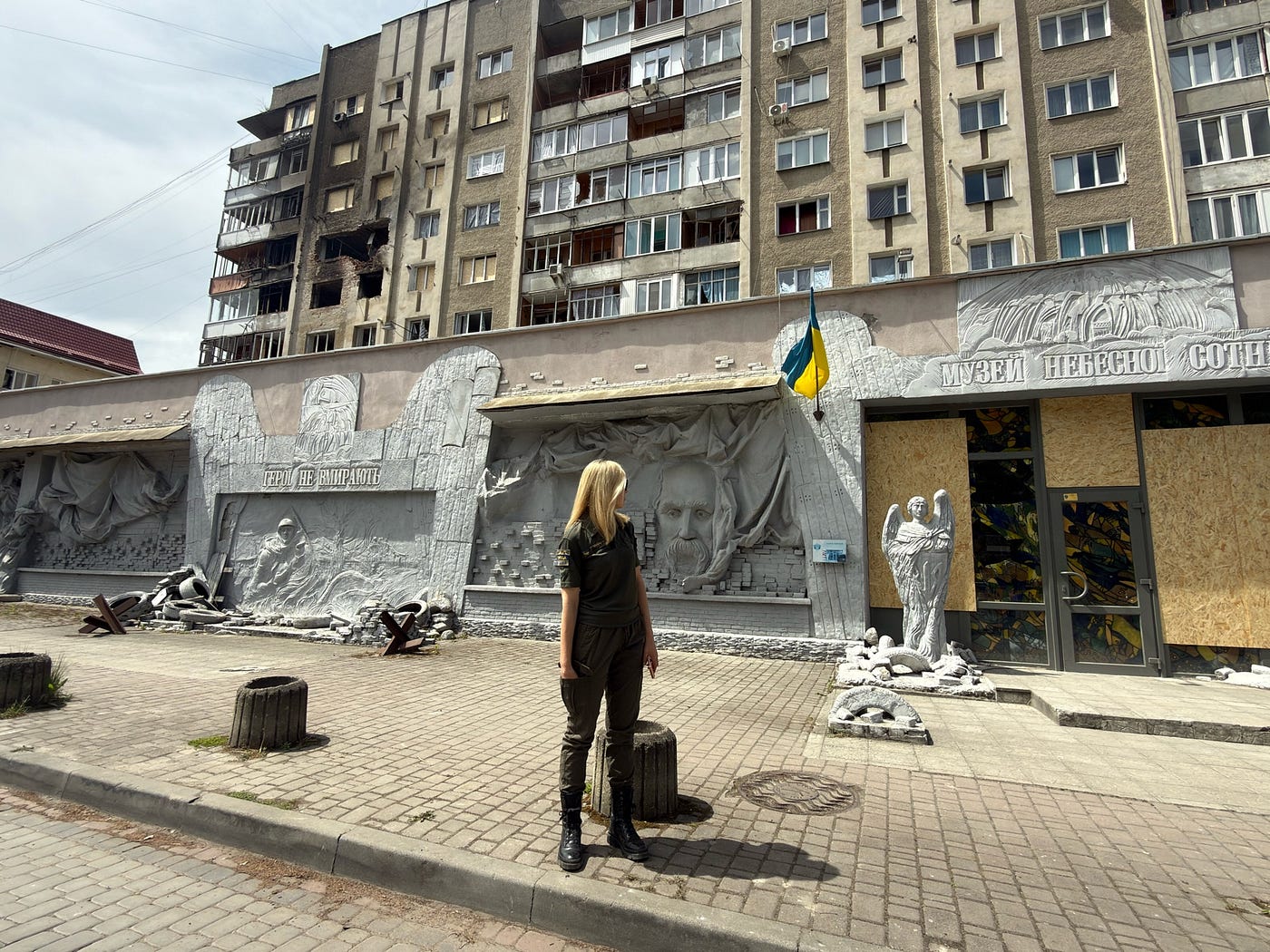
(图:Alla与我在伊万诺-弗兰科夫斯克报道,几天前,俄罗斯联邦袭击了这栋民用建筑,建筑内还有一座博物馆 —— 版权所有,Giorgio Provinciali)
遇难者人数的估计仍有争议:官方资料和后续研究指出死者数以万计;鞑靼人的记忆则称受害率极高,流放最初几年死亡人数几乎接近半数人口。这个数字的不确定性本身就是罪行的一部分:当一个国家驱逐一个民族并掌控档案,即便是死者也成为行刑者的人质。乌克兰在2015年认定这次流放为种族灭绝;随后拉脱维亚、立陶宛、加拿大、波兰、爱沙尼亚和捷克等国也纷纷承认或支持了这一认定。
莫斯科的种族灭绝意图,不仅体现在流放造成的死亡率上,更在于行动的整体性。个别合作者未被惩处,亦没有对确证责任人进行逐一审判:
被定罪的是身份本身。
成为克里米亚鞑靼人便成了一种罪责。
这种逻辑是一些帝国的惯用伎俩。它们若想统治一片土地,必须先愚化其人民:根除原居民、驱散他们、污染他们的记忆,用另一个人口取而代之,并将转变后的人类地理反过来证明征服的和理性。
克里米亚必须不再是鞑靼的,才能完全成为苏维埃的,也就是莫斯科人的。
这一点使得与今日的类比不仅合情合理,而且必要。1944年,莫斯科以集体方式指控克里米亚鞑靼人叛国与合谋;今日,乌克兰人被集体指为“纳粹”、“非自然的”、“畸变的俄罗斯人”——一个需要被再教育、筛选、疏散、登记和重新安置的人群。
类别的名称变了,但功能未变。
敌人的定义取决于其“是什么”而非其“所为”。
1944年,鞑靼人的身份被视为苏联国家的安全问题。先是所谓的“被枪决的复兴”,随后是大饥荒与去富农化,自2014年起,随着对一个完全主权国家的入侵,乌克兰身份开始被视为需纠正的历史错误:以饥饿、严寒、语言压制,继而以导弹、占领学校、流放、强制收养与行政替代的形式进行。
由乌克兰國家记忆档案馆推动的纪录展览“共产主义 = 拉什主义”在五国四十余城并行展示二十世纪与二十一世纪的历史,以证明苏联与俄罗斯手法的延续性。
(图:若干我在乌克兰切尔尼夫齐拍摄的“共产主义 = 罗斯主义”展位—— 版权所有,Giorgio Provinciali)
(图:Alla与我在俄罗斯对乌克兰特尔诺皮尔发动猛烈空袭后不久现场报道—— 版权所有,Giorgio Provinciali)
意识形态换了词汇、旗帜和礼仪,但保留了同样的帝国冲动。法律上的区别在于,今天世界不能再假装不知道应如何称呼这些行径。
《日内瓦第四公约》第49条禁止对被占领土地上的被保护人员进行个人或大规模强迫转移和驱逐,无论占领者给出的理由为何。《防止及惩治灭绝种族罪公约》将“将儿童从一群体强行转移到另一群体列为种族灭绝的一部分”,其行为具有消灭(全部或部分)某一国家、民族、种族或宗教团体之意图。《罗马规约》将驱逐或强迫转移定义为危害人类罪,并在特定占领情境中亦构成战争罪。
因此,国际刑事法院于2023年3月17日对弗拉基米尔·普京与玛丽亚·洛沃娃-别洛娃签发的逮捕令具有跨越时空的重要意义:法院认定他们对从被占领地区非法驱逐和转移乌克兰儿童至俄罗斯联邦的战争罪负有责任。
2026年,联合国关于乌克兰的独立国际调查委员会进一步认定,俄罗斯当局犯下反人类罪行,包括驱逐与强迫转移儿童,以及强迫失踪。耶鲁人道主义研究实验室已识别出至少210处位于俄罗斯及被占领乌克兰地区的机构,涉及对乌克兰儿童的再教育、军事化、寄养或强制收养;联合国人权事务高级专员办事处记录了占领者当局对视为不忠或不服从乌克兰平民的转移与驱逐;人权观察与国际特赦组织亦描述了对乌克兰平民的渗透、强制转移与驱逐至俄罗斯或其非法占领的其他领土。
(图:Alla与我俄军袭击乌克兰卢茨中心后现场报道 —— 版权所有,Giorgio Provinciali)
历史上,1944年莫斯科领导的苏维埃政权目标明确:集体惩罚,消除克里米亚本土政治实体,将半岛改造成更易控制与更俄罗斯化的空间,阻止拥有自身记忆、语言与身份的民族对其土地提出权利主张。
今日,俄罗斯联邦的目标类似,但其适用对象是被占乌克兰的整体架构:否认乌克兰作为一个民族的地位,清空被征服地区中未被同化的人口,转移儿童与平民,强行施加俄国公民身份、教育、语言、档案、财产与行政,从而把军事占领转化为一种被“既成事实化”的人口现实。
(图:Alla与我在乌克兰特尔诺皮尔市中心报道—— 版权所有,Giorgio Provinciali)
如果塔拉斯·舍甫琴科在《高加索》中已揭示出俄罗斯帝国主义的道德核心:一个口称文明却携带镣铐、十字架与大炮的强权;那么钦吉斯·艾特马托夫在《一日长于一百年》中,则提出了几近完美的隐喻:俄罗斯对被流放乌克兰儿童的政策是要铸就“曼库尔特”似的人物:一个记忆被剥夺、对其主人惟命是从的人。
莫斯科对乌克兰儿童的所作所为正是如此:转移他们还不够,还必须让他们忘记自己来自哪里。
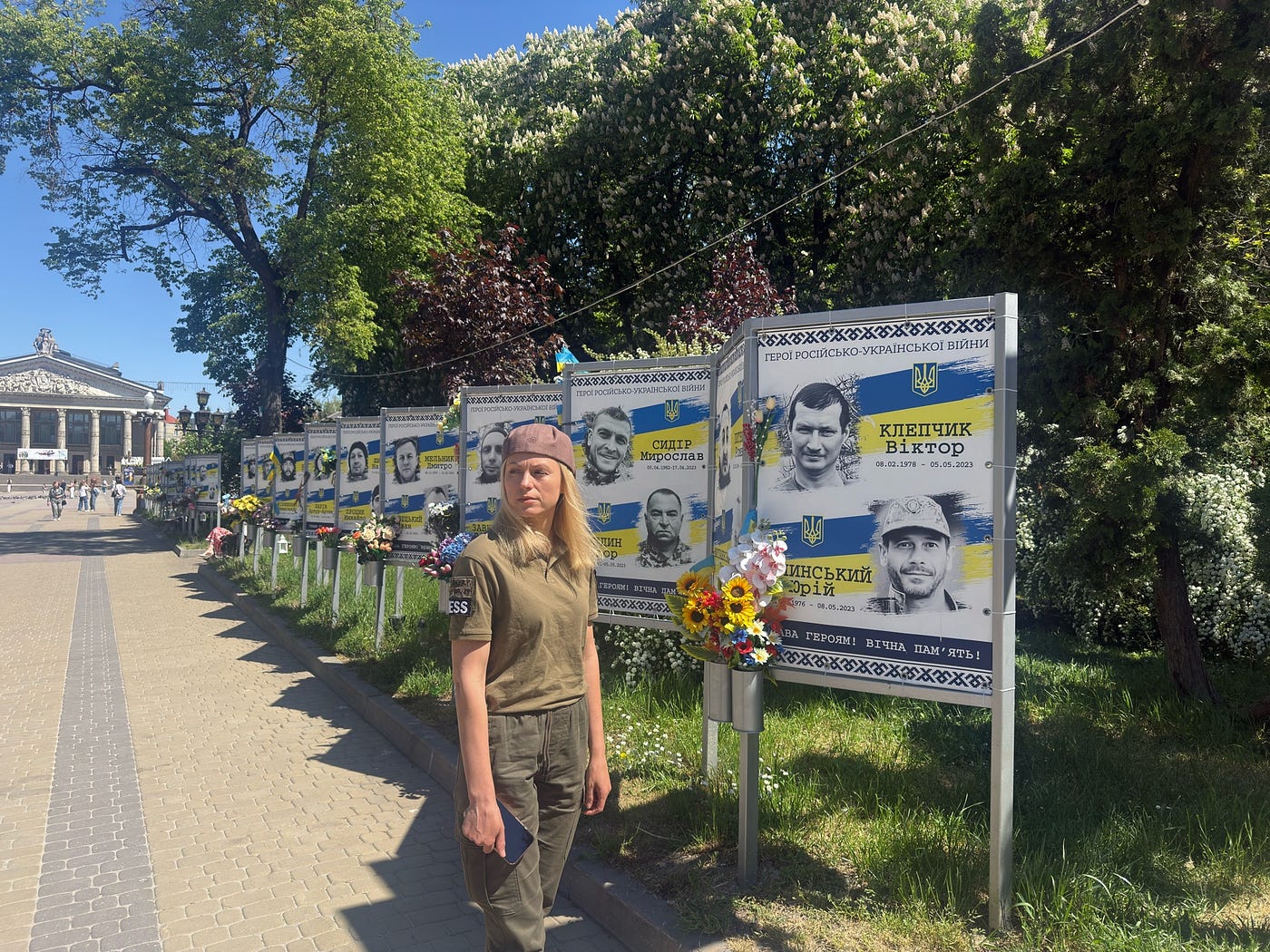
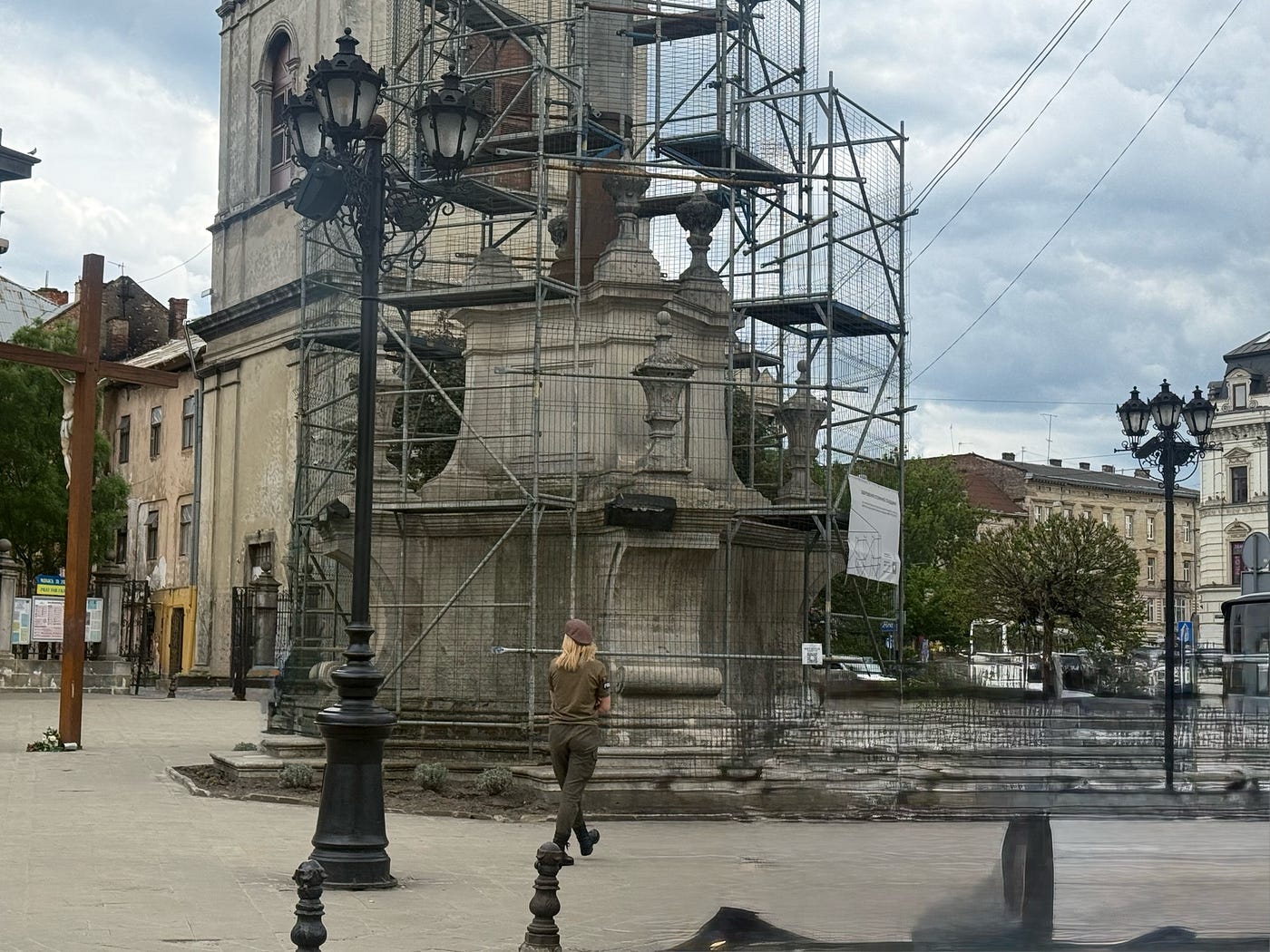
(图:Alla与我在乌克兰利沃夫市中心报道,所有献给乌克兰历史的纪念碑现在均受保护,因为俄军经常攻击它们 —— 版权所有,Giorgio Provinciali)
其他国家在类似事件面前的不作为几乎总会产生相同后果:侵略者把他国的谨慎解读为许可。
1938年的慕尼黑让纳粹德国吞并苏台德地区,以期避免翌年的战争;卢旺达与斯雷布雷尼察在国际法记忆中成为未能预防或制止大规模暴行的代名词。
侵略国在试探世界的容忍阈值。如果驱逐的代价仅是一纸声明,驱逐便会继续;如果吞并的代价仅是谈判公式,吞并便成先例;如果文化灭绝的代价仅是年度谴责,行刑者便会记住纪念的日程,并在纪念日之外继续其作为。
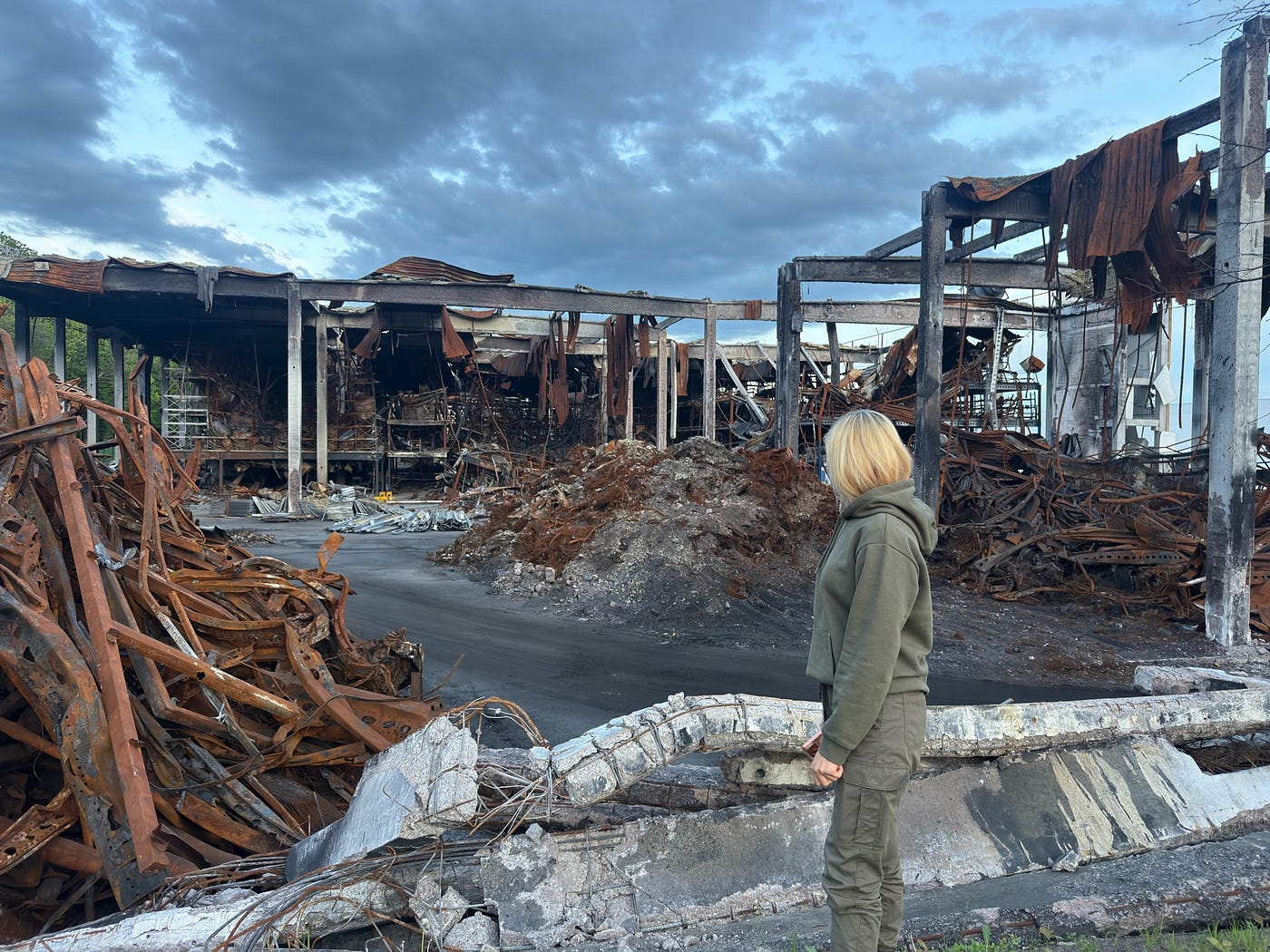
(图:Alla与我在乌克兰利沃夫报道,乌克兰邮政的民用物流枢纽遭俄罗斯空袭—— 版权所有,Giorgio Provinciali)
从二战至今,侵略战争的历史呈现出反复出现的模式,这一模式并未放过那些胜利的核大国(尽管苏联曾与希特勒在《莫洛托夫—里宾特洛甫条约》上结盟):试图征服他族、剥夺其土地或抹去其身份的国家,常在战术上取得胜利,却在战略上遭受失败。
美国于1973年从越南撤军,代价为难以承受的人道、政治与道德损失。苏联于1989年从阿富汗撤军,这场战争助推了苏联解体。法国在阿尔及利亚打赢了许多战役,却在独立的政治战争中落败。布拉格之春展示了另一面:1968年的苏联入侵暂时压制了捷克斯洛伐克的改革,但未能抹去自由的诉求,该诉求在1989年的天鹅绒革命中重现。帝国在坦克开进的那天赢得了局面,但在社会记起自己是正确的那天却失去了战争。
还可以举东帝汶的例子:1975年被印度尼西亚入侵并吞并,经过抵抗与国际压力后于2002年成为主权国家;还有葡萄牙在非洲的殖民地,殖民战争加速了里斯本政权的危机并导致几内亚比绍、安哥拉、莫桑比克、佛得角和圣多美与普林西比的独立;还有伊拉克,2003年入侵推翻了一个政权,却带来地区性战略灾难;还有2001年后的阿富汗,二十年的西方军事存在未能在撤军后留下一个能自存的稳定国家。
历史上,唯有那些为独立或摆脱外来统治而斗争的武装冲突,往往被视为开创性胜利:爱尔兰、阿尔及利亚、反殖民的越南、非洲反对欧洲帝国的斗争、东帝汶,以及今日为反抗俄罗斯侵略而斗争的乌克兰。
并非每一场独立运动都纯洁无瑕,也并非每一场解放战争都无可指摘,但在为收复家园而战的人与为夺取他人家园而战的人之间,存在本质的区别。
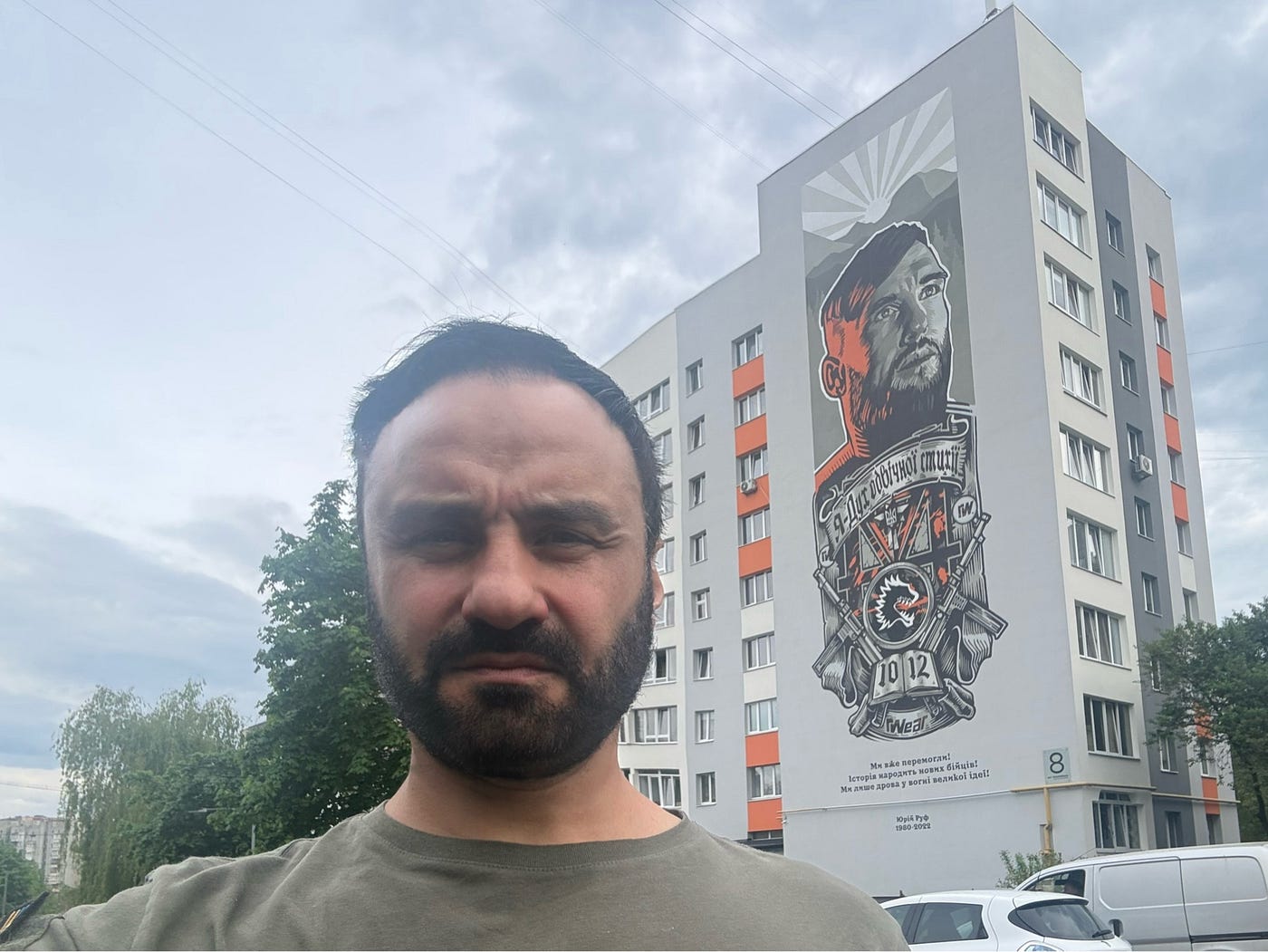
(图:我身后这栋利沃夫民用建筑上的标语写着:“我们已经赢了!历史将产生新的斗士!我们不过是伟大理念之火中的柴薪” —— 版权所有,Giorgio Provinciali)
***
在1546天的战争中,我们从前线录制了250多段视频,并撰写了1500多篇文章。
我们尽最大努力从几乎没有媒体敢进入的地带进行真实的一手报道,这意味着我们长期生活在“杀伤区”。我们承担风险,但若没有你们宝贵的支持,我们的声音将无从传出。若没有远方的勇敢的人们转发分享我们的文章,它们将无人问津。我们的报道会被忽视,我们的努力将付诸流水。这里还有大量工作要做,周围的人们境况同样艰难。
我们正在更新筹款活动,感谢每一位加入我们、帮助修复俄罗斯破坏的人们。仅靠一家勇敢的报纸为我们每篇文章支付微薄稿酬以维持前线报道极为困难。因此,我们感激所有支持并信任我们使命的善良人们。
哪怕是小小的捐助也有助益。
我们会持续为你们更新事态进展。
谢谢大家,亲爱的朋友们
如果你认可我们的工作,请支持我们
在过去三年里,自乌克兰大规模战争爆发以来,作为自由撰稿人,我们一直在乌克兰战争的所有前线进行报道…
https://www.paypal.com/pools/c/9piP8j9xY5