Black March For Moscow: 35,000 Soldiers Lost, 96% Killed by Ukrainian Drones
By: Giorgio Provinciali
Live from Ukraine
Kramatorsk —?The Ukrainian defense lines in Donbas now extend from house to house. Lines of dragon’s teeth, barbed wire, trenches, and ditches neatly follow the layout of the buildings on the outskirts of Kramatorsk, while fewer and fewer cars are on the road in the city center.?
After thwarting the start of the Russian spring offensive,??the Ukrainian Defense Forces maintain the strategic initiative and prevent Russia from organizing a large-scale attack?.?
These words,?from?the Commander-in-Chief of the Armed Forces of Ukraine, Oleksandr Syrskyj, are confirmed by the facts.
So much so that,?from the field, we can’t help but notice how Kyiv’s dominance in electronic warfare and unmanned systems allows the ЗСУ not only to project a significant amount of fire into enemy territory but also to defend areas it already fully controls?— such as Donetsk, from where we are writing our latest dispatches —?with a disproportionately unfavorable ratio for the Russians.
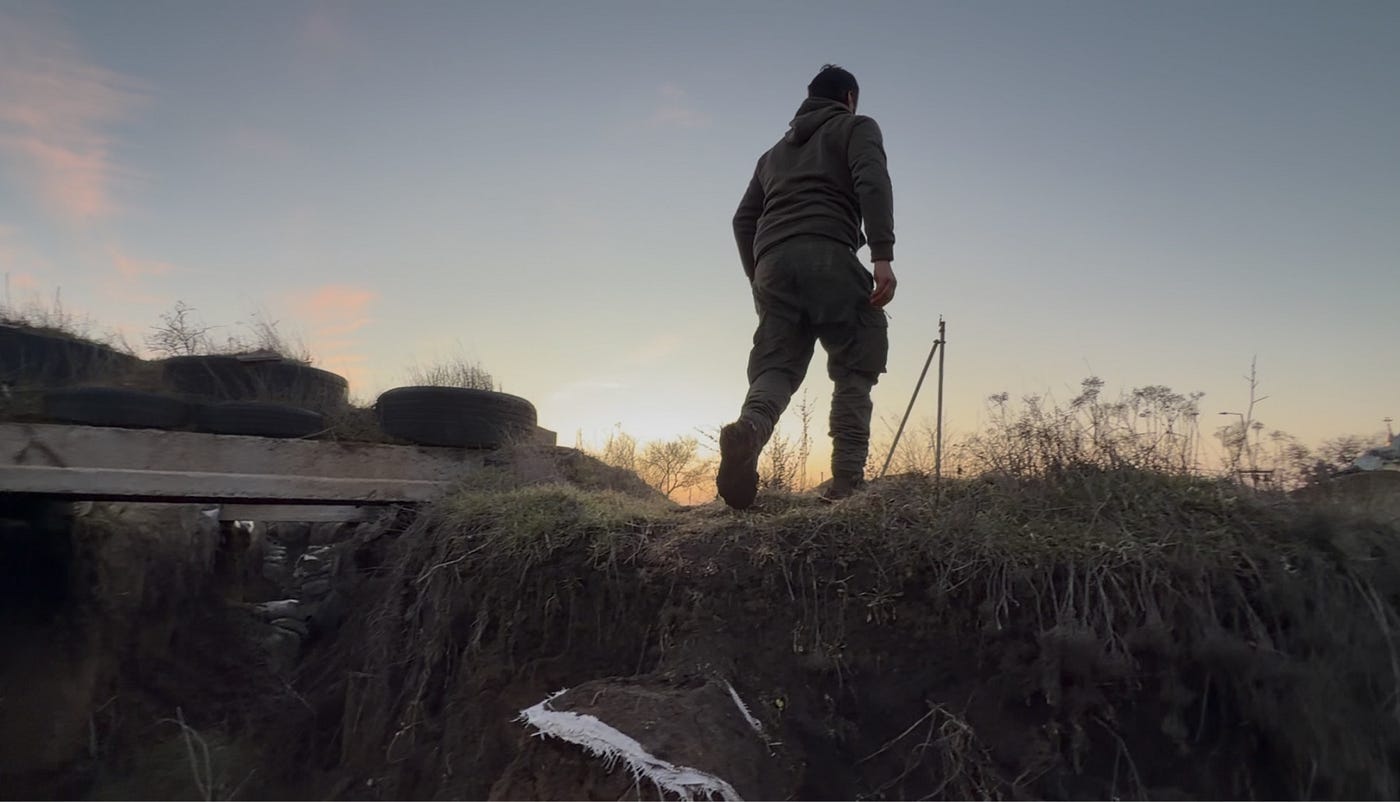
From what we’ve observed,?Ukraine is able to influence Russian logistics by launching intense, constant fire within a radius nearly double that of the fire directed against it by the occupation forces.
Those who have read our dispatches in recent months can imagine what this means. From kill zones like Kherson, Dnipropetrovsk, Kharkiv, and Donetsk, we’ve?documented?— including in numerous videos on this newspaper’s YouTube channel — how technology has extended the radius of death to levels unthinkable just a few years ago. From areas like Synelnykove, we’ve?explained?how entire cities located as far as 150 kilometers from the hottest zones are now reduced to firing ranges, constantly bombarded by Russian drones of all kinds, including FPVs that, until recently, infested areas about 20 kilometers from the mutual infiltration zones.

It’s therefore understandable what it means?to double the concentration of that terror in territories where the occupying army managed to advance only after reducing them to spectral wastelands.
A figure?revealed?yesterday by General Syrskyj clearly explains what this has meant:?in March, total Russian losses increased by 29%. Given that?since December, Moscow has systematically lost more personnel than it can recruit, it’s easy to understand how dire the situation is for the Russian regime.?Territorial losses are directly proportional to these numbers.
As Syrskyj?stated,?Ukrainian unmanned units are already carrying out more than 11,000 missions per day. March statistics?show?that?those precious units achieved a much higher accuracy rate than in February, reaching their targets 50% more often: that is, 150,000. At the same time,?the effectiveness of Ukrainian mid-strike operations has increased: in 350 strikes at operational depths of 30–120 km, Kyiv has hit 143 enemy logistics facilities and warehouses, 52 Russian army command posts, 20 oil and energy facilities, and much more.
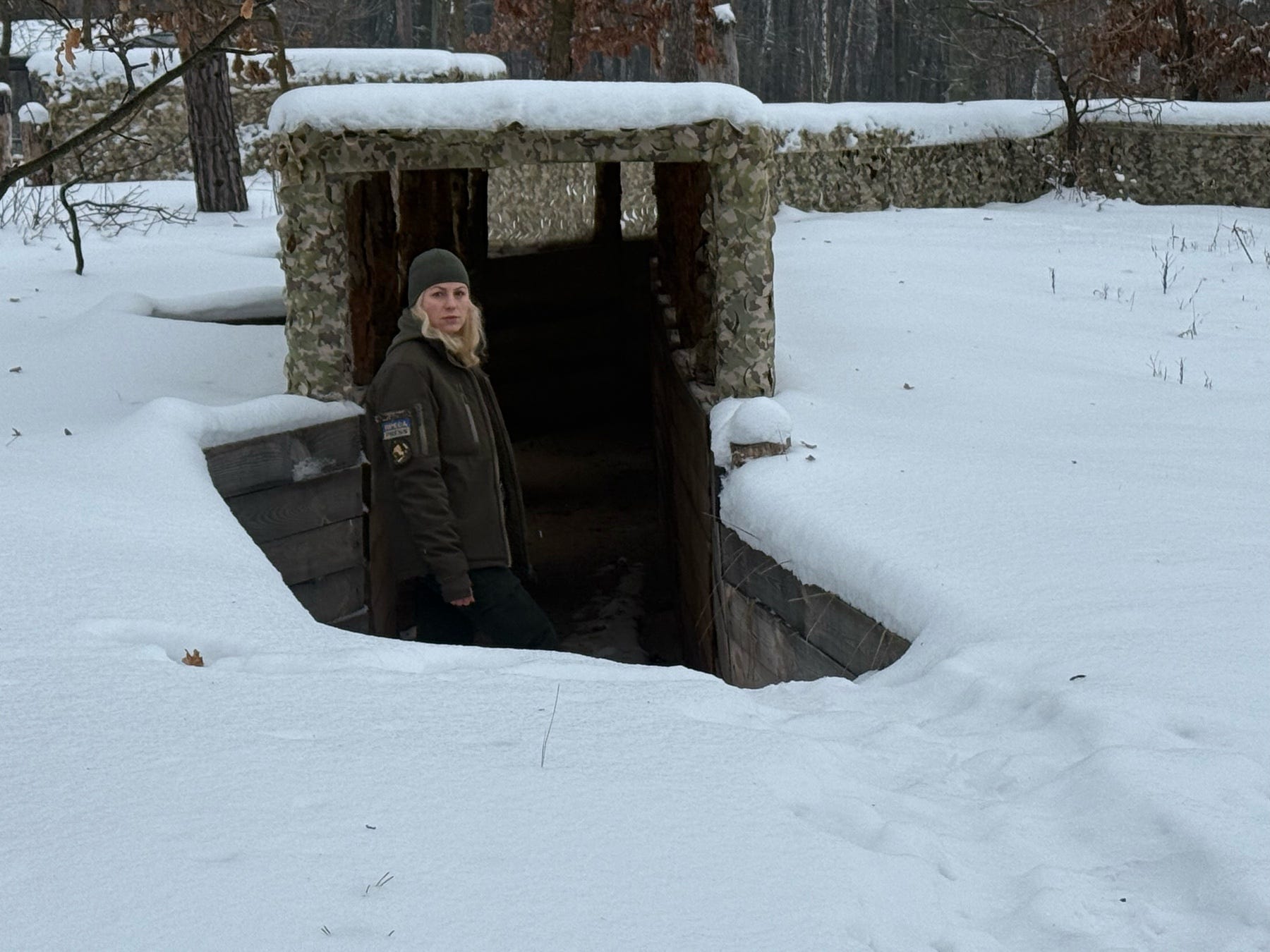
In March, Ukraine neutralized 26% more positions from which Russian drones launched attacks than in February. This figure aligns with the performance of?Ukrainian ground-based robotic complexes, which completed 50% more tasks in March than in the previous month.
Currently,?the ratio of loitering munitions used by the Ukrainian army to those used by the Russian army is 1.3:1. This advantage translates into?resounding losses for Moscow: 35,351 men in March alone. This figure is even more shocking given that?96% of those losses are attributable to Ukrainian drones.
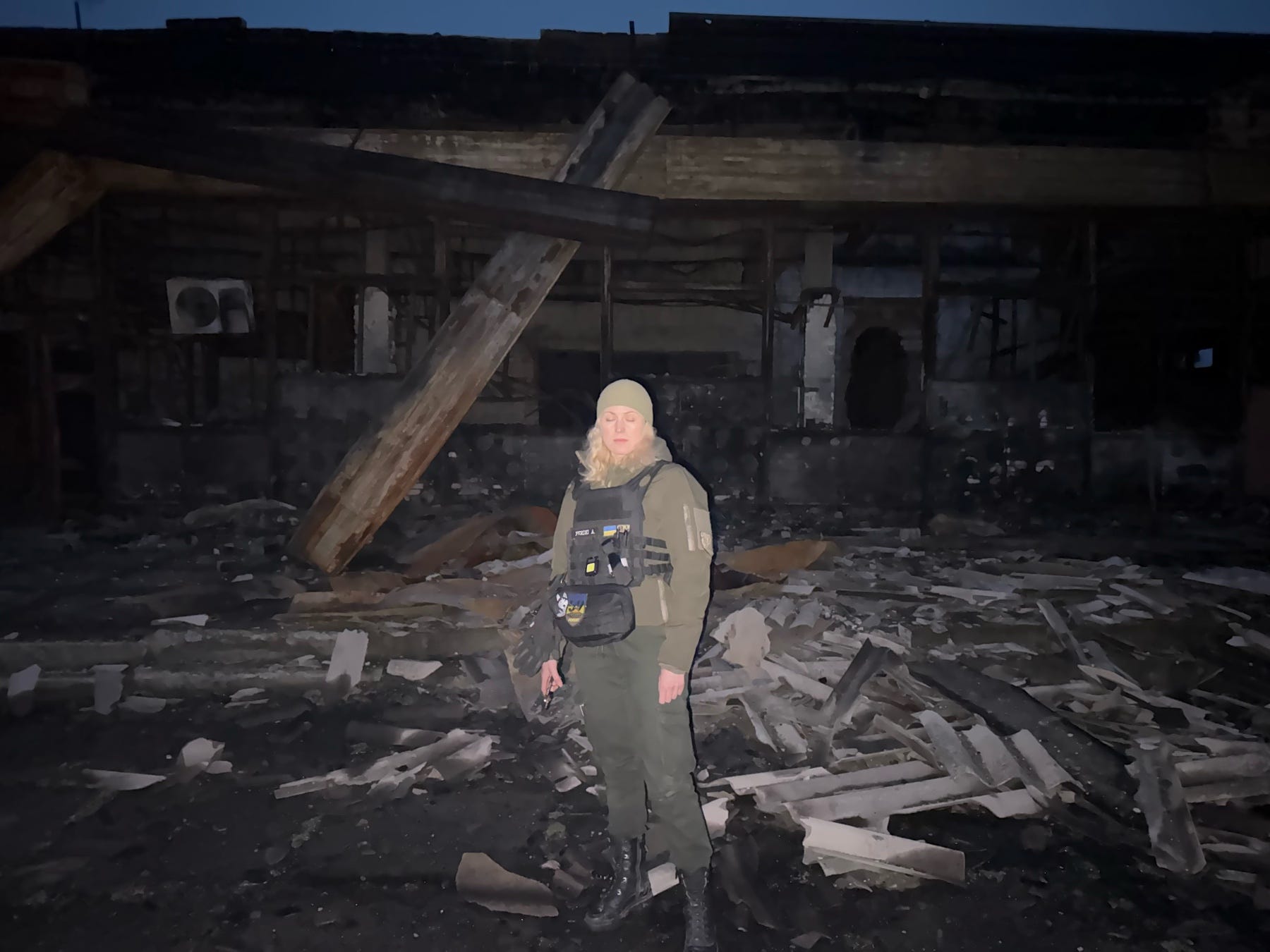
The statistics provide a rigorous quantitative analysis of the conflict’s dynamics: the operational range has increased significantly compared with the early years of the war, but — having invested earlier and more effectively in its technical capabilities —?Ukraine has now managed to reverse the rate of attrition in its favor, projecting critical fire volumes significantly higher than those of Russia and maintaining an effective interdiction that prevents Moscow from structuring large-scale maneuvers.?
This differential translates into outright losses for the Russian military, which continues to bleed dry without transforming the attrition inflicted on Ukraine into a strategically decisive offensive capability, despite Ukraine’s defensive posture.
The defensive lines we write from therefore hold, and Russia’s plans to breach the Ukrainian fortress belt will once again go up in smoke.
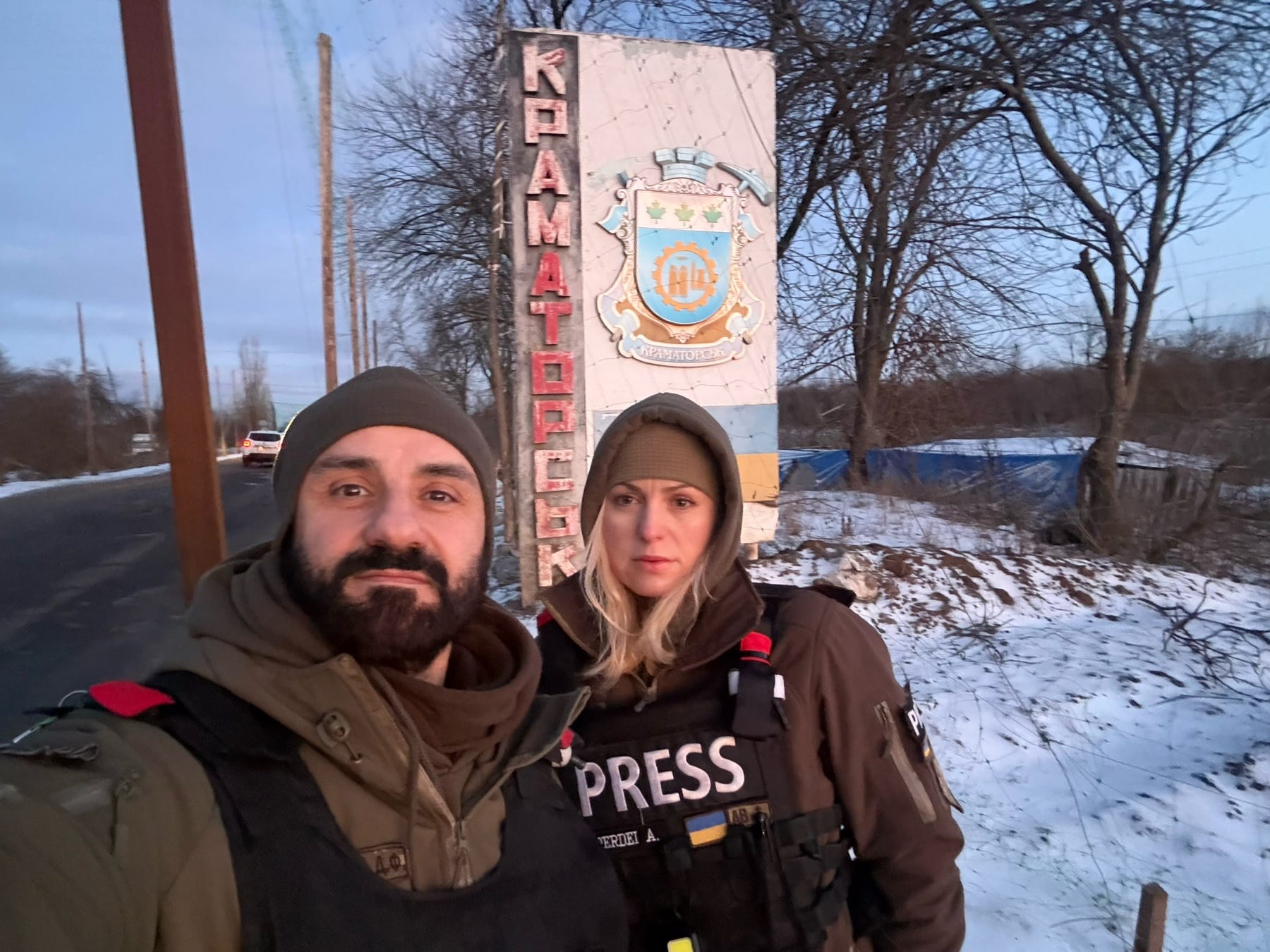
In 1.500 days of war,?we recorded over 250 videos from ground zero and wrote more than 1,500 articles.
We are doing our best to provide genuine, first-hand reports from zones where almost no press dares to go. This means living in a kill zone constantly. We take the risk, but without your invaluable support, our voices would remain unheard and silent. Without brave people sharing our articles from afar, they would remain unread. Our reports would go unseen, and our efforts would be lost. There’s still a lot of work to do here, as the people around us are also in no better situation.
We’re renewing our?fundraising campaign?and thanking everyone who joins us in helping to restore what Russia is destroying. Moving forward with only a small reimbursement for each article from a brave newspaper that believes in us is extremely challenging. That’s why we are grateful to all the kind people who support us and trust in our mission.
Even a small donation helps.
We’ll keep you updated on developments.
Thank you all, dear friends
?
莫斯科的黑色三月:损失3.5万余兵力,96%被乌克兰无人机击毙
作者:Giorgio Provinciali
翻译:旺财球球
乌克兰前线报道?
克拉马托尔斯克——如今,在顿巴斯乌克兰的防线已做到逐户防守。防龙齿、铁丝网、壕沟和沟道沿克拉马托尔斯克郊区建筑的布局整齐布设,市中心道路上行驶的车辆也愈发稀少。
在挫败了俄军春季攻势的初期行动后,“乌克兰防卫军保持战略主动,阻止了俄罗斯组织大规模进攻”
这是乌克兰武装部队總司令奥列克桑德尔·西尔斯基的原话,事实也完全印证了他的说法。
以至于在前线我们无法忽视,基辅在电子战与无人系统上的优势,不仅使乌军能向敌后投射大量火力,也能防御俄罗斯完全控制的区域,例如我们发出最新报道的顿涅茨克,并让俄罗斯付出极不对称的代价。
(图:我在较为平静的一刻,走出战壕与Alla一同报道?——?版权所有,Giorgio Provinciali)
从我们的观察看,乌克兰能够以俄军火力近乎两倍的射程对俄方后勤实施强烈、持续的火力压制。
读过我们近月报道的人大概能想象其含义。从赫尔松、第聂伯罗彼得罗夫斯克、哈尔科夫和顿涅茨克等地的杀伤区,我们拍摄了包括本报YouTube频道的众多视频记录了,技术已将死亡半径扩大到数年前难以想象的范围。从西内利尼科沃等地我们已说明,为何距前线激烈区150公里的整座城市如今都被变为俄军无人机靶场,持续遭受各类俄方无人机轰炸,其中包括此前仅到互渗区约20公里内的FPV无人机。
(视频:Alla与我在乌克兰顿涅茨克克拉马托尔斯克录制的影像?——?版权所有,Giorgio Provinciali)
(图:Alla与我在第聂伯罗彼得罗夫斯克州报道时,乌克兰技术人员正在维护反无人机通道?——版权所有,Giorgio Provinciali)
因此可想而知,在被占领并被迫沦为幽灵荒地才能推进的地区,将火力密度翻倍意味着什么。
西尔斯基将军昨日披露的一组数据清晰说明了这一切:三月俄军总损失增长了29%。鉴于自去年12月以来,莫斯科系统性地损失人员已超过其可征召数量,不难理解俄政权面临的严峻局面。而其领土损失与这些数字呈正比。
如西尔斯基所言,乌克兰无人作战单元已每日执行逾1.1万次任务。三月统计显示,这些珍贵单元的命中率较二月显著提高:命中目标的频率增加了50%,即约15万次。同时,乌方中程打击效能亦提升:在30–120公里作战深度的350次打击中,基辅击中143处敌方后勤设施与仓库、52处俄军指挥部、20处油气与能源设施以及更多目标。
(视频:Alla与我在乌克兰顿涅茨克克拉马托尔斯克录制的影像?——?版权所有,Giorgio Provinciali)
(图:Alla与我在乌克兰莫什丘恩战壕报道——版权所有,Giorgio Provinciali)
三月,乌克兰摧毁的俄军无人机发射阵地数量比二月增加了26%。这一数据与乌方地面机器人作战单位的表现相符:三月完成的任务比上月提升50%。
目前乌军使用的滞空弹药与俄军的比率约为1.3:1。这一优势直接转化为对莫斯科的沉重损失:仅三月便有35,351名人员伤亡。更令人震惊的是,这些损失中有96%归因于乌克兰无人机。
(视频:Alla与我在乌克兰顿涅茨克克拉马托尔斯克录制的影像?——?版权所有,Giorgio Provinciali)
(图:Alla与我在乌克兰彼得羅帕夫利夫卡报道?——?版权所有,Giorgio Provinciali)
这些统计数据为战争态势提供了严谨的量化分析:相较战争早期,作战纵深显著增加,但乌克兰凭借更早且更有效地技术投资,现已设法将消耗比扭转为对己方有利,投射的关键火力远超俄方,并维持有效的阻断,阻止莫斯科策划大规模机动作战。
这一差异直接导致俄军的实质性损失,在持续消耗中,俄方无法将对乌的消耗转化为具有战略决定性的攻势能力,尽管乌方处于防御态势。
我们所处的防线因此依然稳固,俄罗斯企图突破乌克兰防御带的计划将再次化为泡影。
(图:Alla与我在乌克兰克拉马托尔斯克报道?——?版权所有,Giorgio Provinciali)
?
***
在1500天的战争中,我们从前线录制了250多段视频,并撰写了1500多篇文章。
我们尽最大努力从几乎没有媒体敢进入的地带进行真实的一手报道,这意味着我们长期生活在“杀伤区”。我们承担风险,但若没有你们宝贵的支持,我们的声音将无从传出。若没有远方的勇敢的人们转发分享我们的文章,它们将无人问津。我们的报道会被忽视,我们的努力将付诸流水。这里还有大量工作要做,周围的人们境况同样艰难。
我们正在更新筹款活动,感谢每一位加入我们、帮助修复俄罗斯破坏的人们。仅靠一家勇敢的报纸为我们每篇文章支付微薄稿酬以维持前线报道极为困难。因此,我们感激所有支持并信任我们使命的善良人们。
哪怕是小小的捐助也有助益。
我们会持续为你们更新事态进展。
谢谢大家,亲爱的朋友们?
如果你认可我们的工作,请支持我们
?
在过去三年里,自乌克兰大规模战争爆发以来,作为自由撰稿人,我们一直在乌克兰战争的所有前线进行报道…
Paypal捐款链接:https://www.paypal.com/pools/c/9nxoMcbYLF
?
更多我的博客文章>>>
