Drone War in Overdrive: Ukraine’s Extraordinary Response to Russia’s Largest Attack
By: Giorgio Provinciali
Live from Ukraine
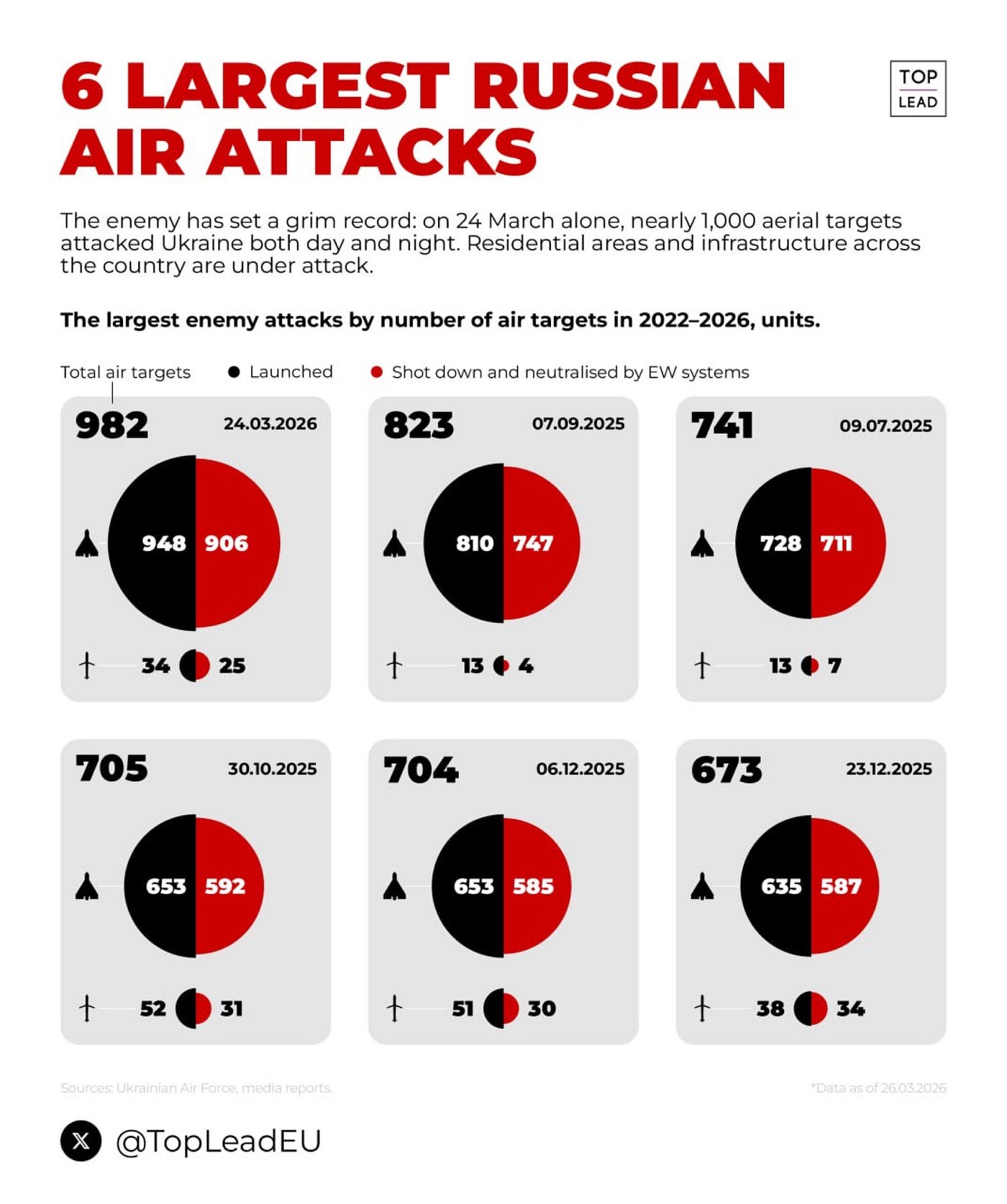
Zaporizhia – Drone warfare is now an accelerated evolutionary race. Tuesday’s strike was the largest bombing ever ordered by the Russian regime during the full-scale war it unleashed against Ukraine.
Overall, the Russian Armed Forces launched 982 cruise missiles in 24 hours, with 948 being drones and 34 of other missile types. The percentage of targets Ukraine’s defenses shot down in that attack was very high, at 94.8%.

This should be viewed in the context of a very intense war where the Russians, amid a battlefield offensive, are simultaneously launching over a thousand attacks daily against Ukrainian positions, deploying a large number of UAVs of various types and modifications.
To focus for example on the oblast’ I am writing from, its military administration confirmed yesterday that, on Tuesday, occupation troops carried out 860 attacks against 45 settlements, using 626 drones, mostly FPVs. Additionally, another 207 Russian artillery strikes hit villages in the most intense conflict zones of Zaporizhia.

Therefore, the criticism directed at the Ukrainian Defense Forces by Lviv Mayor Andry Sadovy regarding drones «staying in the air too long or not being shot down» is not only pointless but also unfair. As the commander of the Ukrainian Unmanned Forces, Robert “Magyar” Brovdi, responded, urging the city’s mayor not to engage in similar rhetoric, «no air defense system in the world is capable of guaranteeing 100% effectiveness against such large-scale attacks, but the Ukrainian defenders are showing very high performance».
Observing the challenges faced by two military powers like the US and Israel in Iran – despite significantly higher costs – illustrates that even armies with vastly superior resources cannot ensure complete immunity against multi-vector saturation. Enough to evaluate that 94.8% in a broader context.
It should also be noted that for at least 12 years, Ukraine has been the testing ground for the most innovative weapons produced by the Axis of Evil.
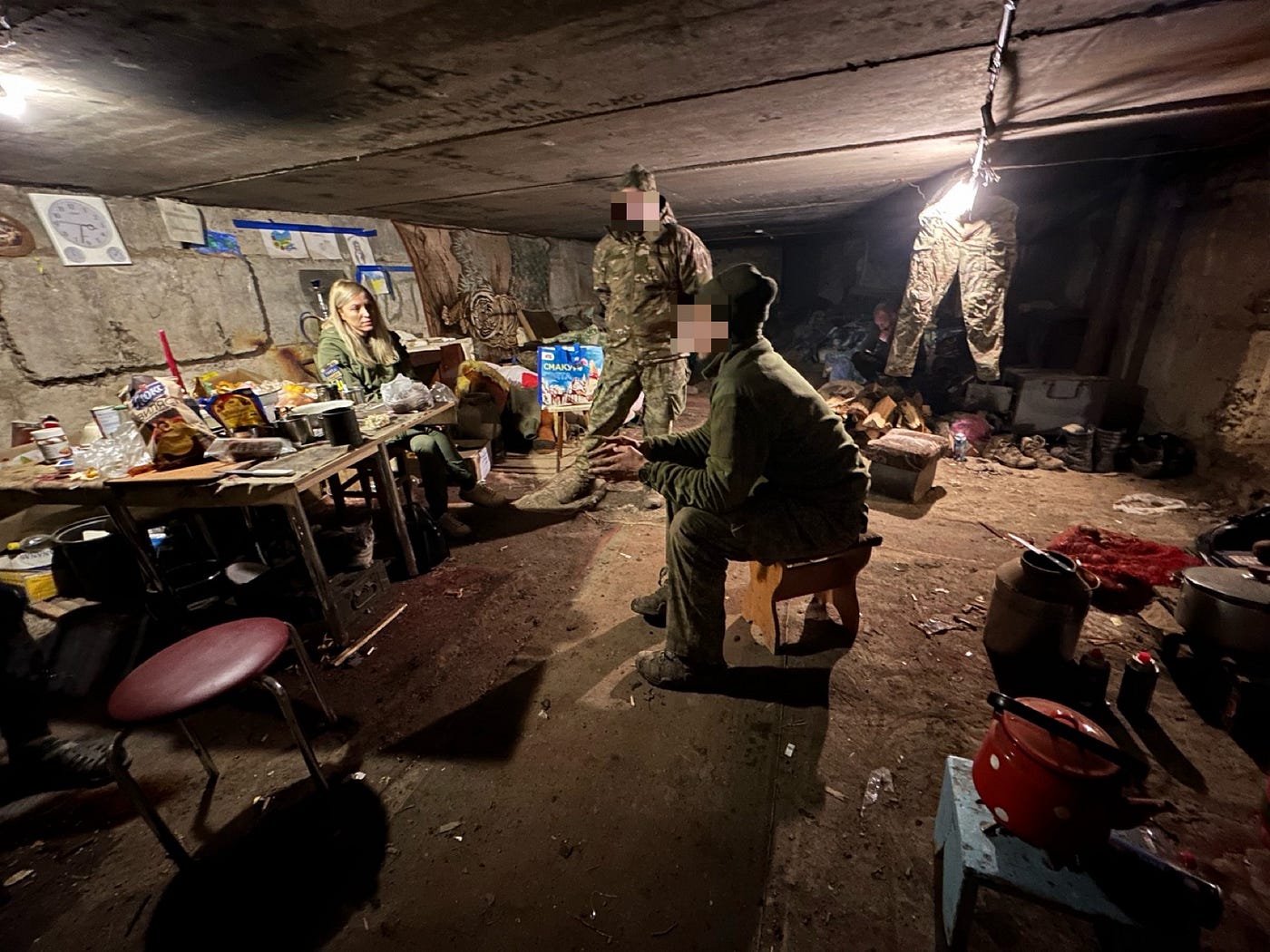
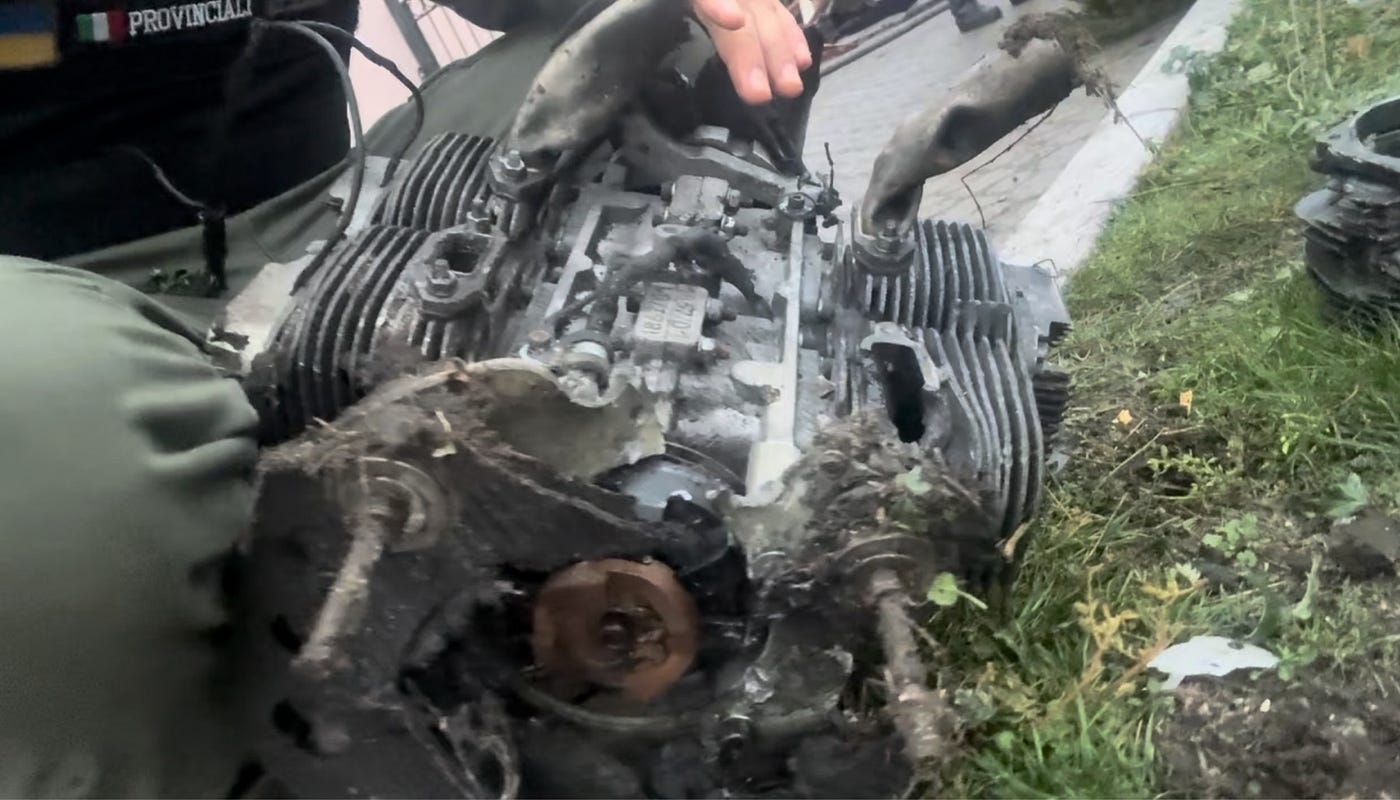
On Sunday, the Ukrainian Armed Forces shot down an unusual Russian drone called “Klin”, equipped with Li-AFB (Lithium-Air-Fluoride) batteries and technology that allow it to autonomously target within an operational range of 120 km and carry a payload of up to 5 kg. At the same time, the Ukrainian army shot down a rare Russian UAV called the “Skat 450M”, estimated to be worth around $400,000. A few days earlier, on March 16, the latest version of a Russian “Lancet” (or “Izdelye-41") drone was discovered in central Kyiv. Zala Aero Group (linked to Kalashnikov) heavily modified it to enable autonomous guidance, and Moscow was able to launch as many as 40 of them at the Ukrainian capital. Other variants of that design, such as the “Scalpel” – developed by Russian engineers at Vostok – have been found in various parts of Ukraine. Other low-cost versions, based on the “Blyskavka” or “Molnyia” models, have replaced more expensive systems like the “Orlans”, the “Zala Z-16”, and the “Superkami”. In accordance with what I myself observed in the field, the technicians who analyzed these drones found dozens of foreign components, primarily Chinese, American, and Swiss, including some focused on Western artificial intelligence modules such as those based on nVidia Jetson.

Thanks to the effective work of the Ukrainian Defense Forces’ anti-aircraft units, these devices are intercepted and destroyed, forcing Russian designers to find more cost-effective solutions. Meanwhile, Ukrainian engineers are developing others, such as the “Jedi Shahed Hunter”, which can automatically and affordably detect and neutralize threats like those that overwhelmed Ukraine on Tuesday.
Behind that 94.8% effectiveness lies a tremendous effort carried out under challenging conditions, to say the least.
Consider the recent “Bulldog”: a transformable drone produced by the Ukrainian company Roboneers, capable of functioning simultaneously as a communications relay and delivering equipment in environments degraded by jammers and electronic warfare systems. Or the “Saber K-2”, developed by the same laboratories to provide fire support for infantry and neutralize the enemy at close range. Or the “Bucha” drone, conceived as a satellite-guided aircraft capable of striking targets up to 200 km away with a 5.5 kg charge, using the thrust of an initial explosive charge rather than being catapulted at launch to reduce logistical needs and increase deployment capacity. While not strictly interception drones, they also demonstrate the overall vitality of the Ukrainian ecosystem. It’s no coincidence that drones like the F10 FPV (developed by the Ukrainian company F-Drones) have reached the final phase of the Pentagon’s Drone Dominance program, and technologically advanced countries like Japan are forming partnerships with Ukraine to leverage its expertise.
Beyond the impressive performance achieved during an air defense saturation event like Tuesday’s, Ukraine is actively working on that remaining 5.2% to prevent it from becoming an unavoidable stochastic variable – albeit increasingly smaller and more costly for the enemy – because it means that, in such a large-scale attack, about 51 vectors of destruction have hit their targets.
That’s a significant number – considering every impact could be deadly – that highlights the huge volume of fire Kyiv must handle daily.
So far, Ukraine’s defense industry has responded with quicker tactical changes, low-cost solutions, and on-field adjustments more effectively than Russia’s fast prototyping capacity, which still maintains significant industrial capacity under pressure. If Ukraine remains a unique war-technology laboratory, it is now up to its allies to slow down the Russian war machine – at least by stopping its funding and supply of key resources it would otherwise lack.
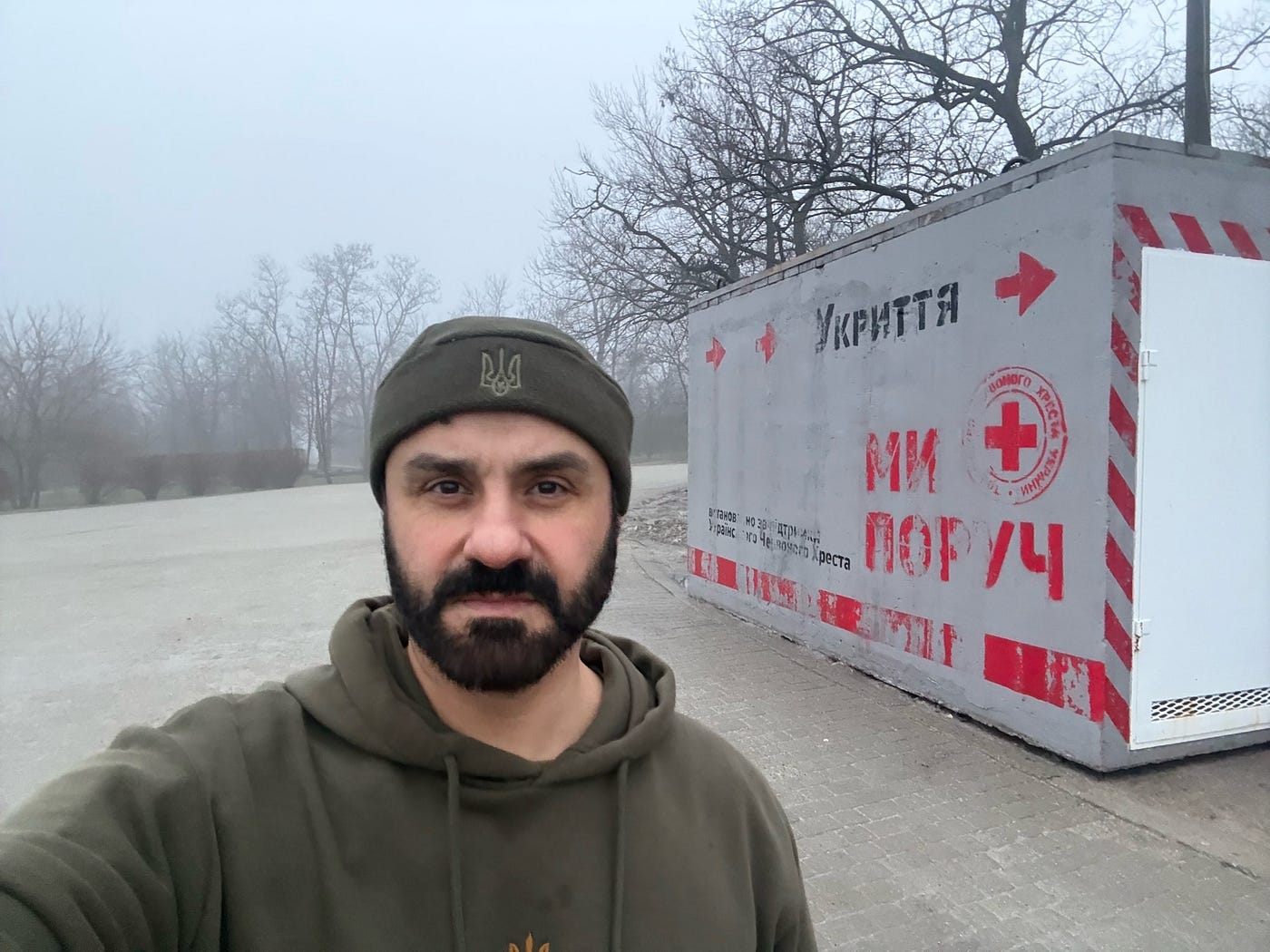
We are doing our best to provide genuine, first-hand reports from zones where almost no press dares to go. This means living constantly in a kill zone. We take the risk, but without your invaluable support, our voices would stay unheard and silent. Without brave people sharing our articles from afar, they would remain unread. Our reports would go unseen, and our efforts would be lost. There’s still a lot of work to do here, as the people around us are also in no better situation.
We’re renewing our fundraising campaign and thanking everyone who joins us in helping to restore what Russia is destroying. Moving forward with only a small reimbursement for each article from a brave newspaper that believes in us is extremely challenging. That’s why we are grateful to all the kind people who support us and trust in our mission.
Even a small donation helps.
We’ll keep you updated on developments.
Thank you all, dear friends
无人机战争全面加速:乌克兰对俄最大一次袭击的非凡回应
作者:Giorgio Provinciali
翻译:旺财球球
乌克兰前线直播
扎波罗热——无人机战争如今已进入加速进化的竞赛。周二的袭击是俄政权在发动全面侵乌战争以来发动的最大规模轰炸。
俄军在24小时内总共发射了982枚巡航弹,其中948架为无人机,另有34枚为其他类型的导弹。在此次袭击中乌克兰防空部队拦截成功率非常高,达到94.8%。
(图:我在乌克兰顿巴斯前线,在一架俄制无人机被击落后不久——版权所有,Giorgio Provinciali)
这必须放在极高强度的战争背景下来看:俄方在发起地面攻势的同时,每天还同时对乌克兰阵地发动千余次攻击,投入大量各类与改版无人机。
以我所在的州为例,其军事行政部门昨日证实,周二占领军对45个定居点发动了860次攻击,使用626架无人机,主要为FPV类型。此外,俄军另对扎波罗热冲突最激烈地带的村庄实施了207次炮击。
(图:我与Alla在扎波罗热报道时,当时乌克兰防空仍在作业——版权所有,Giorgio Provinciali)
因此,利沃夫市长安德烈·萨多维针对乌克兰国防军的批评,称无人机“在空中停留时间太长或未被击落”的批评,不仅无的放矢,而且不公平。乌克兰无人部队司令罗伯特·“马扎尔”·布罗夫迪对此回应,敦促该市长停止发表类似言论:“世界上没有任何防空系统能在如此大规模袭击面前保证100%的拦截率,但乌克兰防御者表现非常出色”。
尽管投入成本远远高于乌克兰,军事强国例如美国和以色列在伊朗面临的挑战也足以说明,即便是资源远超对方的军队,也无法确保对多向饱和攻击的绝对防护。从这一点出发,94.8%的拦截率已很可观。
还应指出,至少在过去12年里,乌克兰一直是“邪恶轴心”国生产的最新式武器的实测场。
(图:我与Alla在乌克兰扎波罗热奥里希夫前线壕沟报道——版权所有,Giorgio Provinciali)
周日,乌克兰武装部队击落了一架罕见的俄制无人机“Klin”,该机配备Li-AFB(锂-空气-氟)电池及能够在120公里作战半径内实现自主瞄准的相关技术,最大携带弹头可达5公斤。与此同时,乌军还击落了一架估值约40万美元的俄制罕见无人机“Skat 450M”。此前数日,即3月16日,基辅市中心发现了最新版本的俄制“Lancet”(或称“Izdelye?41”)无人机。与卡拉什尼科夫有关联的Zala Aero 集团对其进行了大幅改装以使其具有自主制导能力,莫斯科曾向乌克兰首都一次性发射多达40架此类无人机。该设计的其他衍生体,如由俄罗斯东方工程师开发的“手术刀”,也在乌克兰多地被发现。基于“闪电”或“霹雳”型号的其他低成本版本,已替代诸如“Orlans”“Zala Z?16”“Superkami”等更昂贵的系统。与我在现场观察到的一致,分析这些无人机的技术人员发现了数十种外来组件,主要来自中国、美国和瑞士,其中有一些是基于英伟达(nVidia)Jetson的西方人工智能模块。
(图:我展示一架较为完整的Geran’-2俄制无人机残骸,类似周二对乌空袭中使用的机型——版权所有,Giorgio Provinciali)
多亏乌军防空部队的高效作业,这些装备被拦截并摧毁,迫使俄方设计者寻找更具成本效益的方案。与此同时,乌克兰工程师也在开发新型装置,例如可自动侦测并拦截像“绝地·沙赫德猎手”那样的装备,以低成本应对周二那样对乌造成压倒性威胁的大规模袭击。
毫不夸张地说,在那94.8%拦截率的背后,是乌克兰在极其艰难条件下付出的巨大努力。
例如近期的“斗牛犬”:由乌克兰公司Roboneers生产的一种可变形无人机,既可作为通信中继,也可在受干扰与电子战影响的环境中投送设备。或同一实验室研发的“Saber K?2”,用于为步兵提供火力支援并在近距离消灭敌人。再比如“Bucha”无人机,设计为卫星制导航行器,能用5.5公斤弹头打击200公里外目标,其发射方式利用初始爆炸冲力而非弹射,从而降低后勤需求并提高部署能力。虽非严格意义上的拦截无人机,这些机型也展示了乌克兰军事科技生态系统的整体活力。像乌克兰公司F?Drones开发的F10 FPV无人机已进入五角大楼“无人机主导”计划的最后阶段,技术先进的国家如日本也在与乌方结成合作以借力其专长,这并非偶然。
(图:我展示从俄制Geran’-2无人机残骸上取出的“平四”对置水平气缸发动机——版权所有,Giorgio Provinciali)
除了在像周二这样的防空饱和事件中取得的令人瞩目表现外,乌克兰正积极攻克那剩余的5.2%,以防其成为不可避免的随机变量——尽管这个比例在不断缩小,但对敌方而言成本却越来越高——因为这意味着,在如此大规模的攻击中,约有51个破坏载体击中目标。
这是一个很可观的数字——考虑到每一次命中都可能致命——也凸显了基辅每天必须应对的巨大火力压力。
(图表来源与致谢:TopLeadEU)
到目前为止,乌克兰国防工业以更快的战术调整、低成本方案与前线适配方面的应对速度,比俄罗斯的快速原型方面的能力更具有优势,尽管俄方在压力下仍保有显著的工业产能。如果乌克兰仍是独一无二的战争科技试验场,那么现在就轮到其盟友采取行动,至少应通过切断资金与关键资源供应来放慢俄方战争机器的运转。
(图:我与Alla在乌克兰扎波罗热的一处避难所报道——版权所有,Giorgio Provinciali)
***
我们尽最大努力从几乎没有媒体敢进入的地带进行真实的一手报道,这意味着我们长期生活在“杀伤区”。我们承担风险,但若没有你们宝贵的支持,我们的声音将无从传出。若没有远方的勇敢的人们转发分享我们的文章,它们将无人问津。我们的报道会被忽视,我们的努力将付诸流水。这里还有大量工作要做,周围的人们境况同样艰难。
我们正在更新筹款活动,感谢每一位加入我们、帮助修复俄罗斯破坏的人们。仅靠一家勇敢的报纸为我们每篇文章支付微薄稿酬以维持前线报道极为困难。因此,我们感激所有支持并信任我们使命的善良人们。
哪怕是小小的捐助也有助益。
我们会持续为你们更新事态进展。
谢谢大家,亲爱的朋友们
如果你认可我们的工作,请支持我们
在过去三年里,自乌克兰大规模战争爆发以来,作为自由撰稿人,我们一直在乌克兰战争的所有前线进行报道…
Paypal捐款链接:https://www.paypal.com/pools/c/9nxoMcbYLF
