
隐形反攻:正在耗尽俄军后方实力
The Invisible Counteroffensive That Is Draining the Russian Rearways
By: Giorgio Provinciali
Live from Ukraine
Zaporizhzhia – The tactical adaptation observable from the field that Alla Perdei and I have discussed in all our recent dispatches aligns perfectly with the innovation/counter-innovation dynamic between drones and electronic warfare that characterizes modern warfare.
The Ukrainian General Staff confirmed that during the night of March 14 – 15, its armed forces targeted weapons depots, military transport vehicles, and enemy concentration areas, disrupting their logistics at several key strategic locations. Specifically, the Ukrainians reportedly targeted Russian troops trying to gather near Kupiansk (Kharkiv), Shakhove, Udachne, Pokrovsk (Donetsk), and Petrivka in the temporarily occupied territories (TOT) of Kherson.
For my part, I can confirm that in the TOTs of the region I am writing from a drone depot near Primorske was hit, prompting an immediate decrease in Russian terror in Malokaterynivka, Kushuhum, and Balabyne – areas where Alla and I recorded (including on video) situations that were almost inviolable – and another, much farther away, near Osipenko.
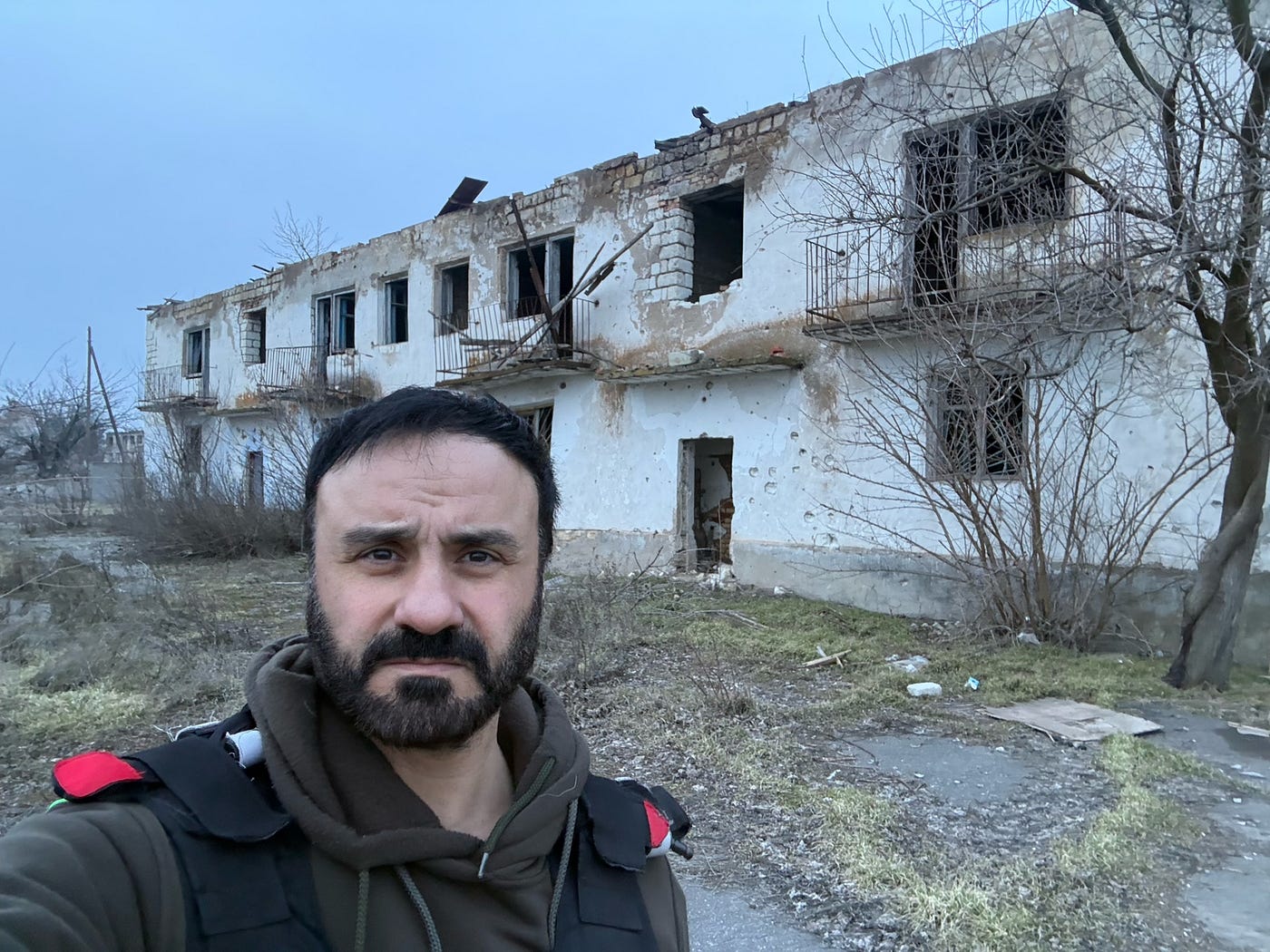
This is part of a more structured medium-range offensive that the Ukrainian army has been carrying out for some time, aiming to push the Russian army back from various occupied areas, prevent it from establishing itself there, and complicate its preparations for a spring offensive.
All this was made possible by the radical paradigm shift imposed at least since last November by the Commander-in-Chief of the Armed Forces of Ukraine, Oleksandr Syrskyj. In response to the electronic warfare countermeasures adopted by Moscow in the previous months, the Ukrainian Unmanned Forces increased the transmission frequencies of their remotely piloted aircraft, making them temporarily undetectable.
The switch to higher frequency channels – above 10,000 MHz – was so swift and drastic that it made tactical adjustments by the enemy extremely difficult. While Russian electronic warfare teams studied the Ukrainian drones’ new operating frequencies in order to recalibrate their systems to counter them, they penetrated the hottest kill zones unseen, managing to switch radio channels, often even while in flight.
As Syrskyj emphasized, by seizing the operational initiative, the Ukrainian Defense Forces forced the enemy to play by their rules.
Similar to what happened in 2024 during Operation Kursk – which he planned and successfully executed – this has enabled Ukraine to regain control, in just one month, over a portion of its territory larger than what the enemy occupied in the same period: nearly 300 square kilometers of the approximately 500 square kilometers previously taken by Kyiv during that raid.
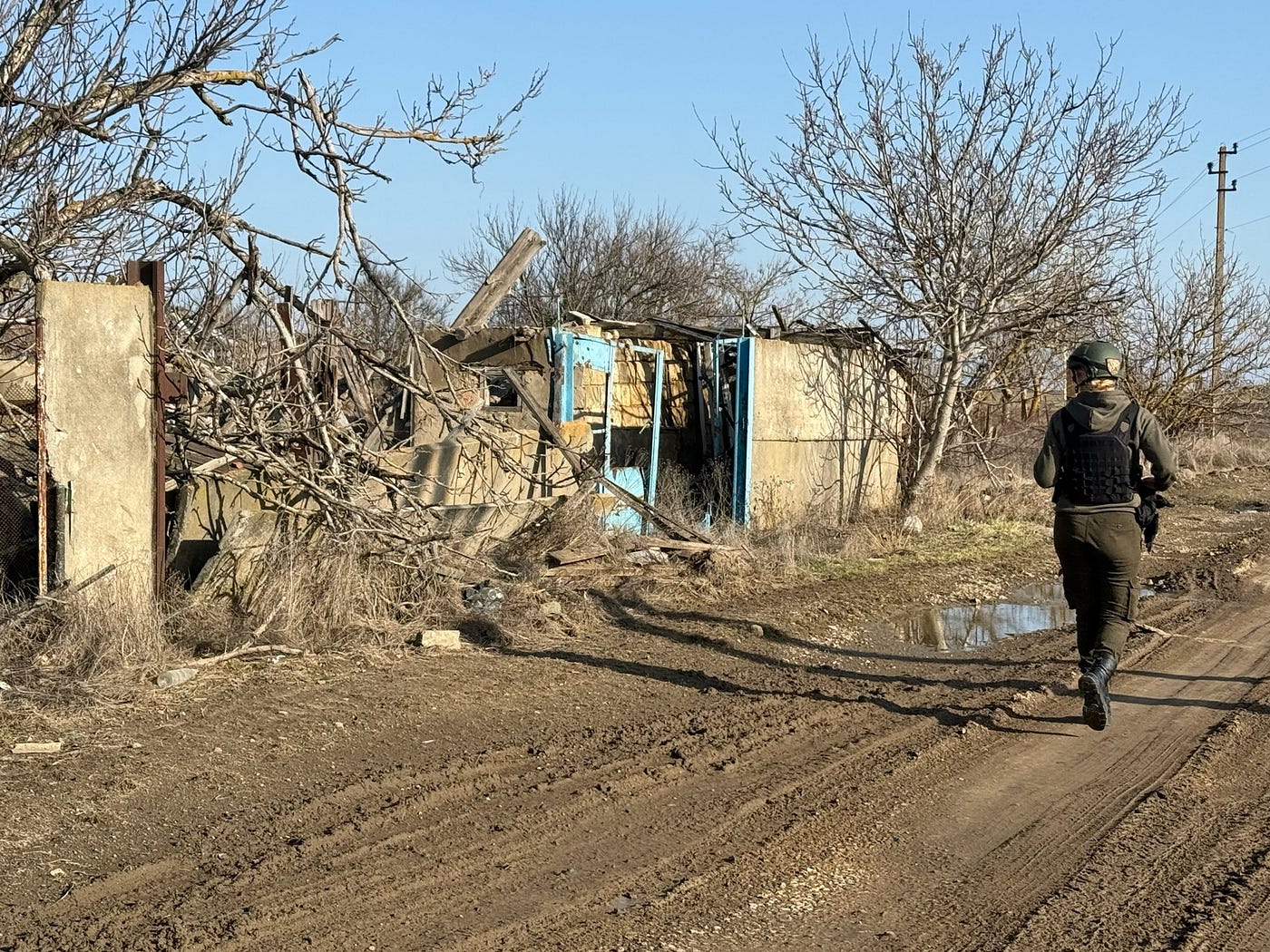
From the field, it is now clear that this is a prelude to a broader counteroffensive operation that the Ukrainian Armed Forces had already planned in the previous months. The assault and mine-clearing vehicles we saw moving to the most vulnerable areas are now in action in Oleksandrivka and more broadly across both Donetsk and Zaporizhzhia.
In this latter oblast’, the Russians are also concentrating large numbers of troops and equipment toward Huliaypole, Orikhiv, Primorske, and Oleksandrivka. To a lesser extent, they are also concentrating on Zelene, Stepnohirsk, Shcherbakiv, and Varvarivka. In Donetsk, however, they are attempting to take control of Hryshyne by attacking from the ruins of Pokrovsk. Yet, right there, Ukrainian paratroopers of the 79th Brigade – the same unit that fought for the Donetsk airport – destroyed the elite Russian «Oplot» unit of the 2nd Battalion of the 5th Motorized Brigade, forcing it to retreat.
This shows that the episodes described at the beginning of this article should not be seen as separate incidents but as part of a campaign of operational shaping. Targeting logistics depots, drone storage sites, transport vehicles, and staging areas means acting ahead of the enemy’s maneuver, that is, on the process by which men, vehicles, and munitions are converted into concrete offensive capabilities.
This campaign is effectively preventing the Russian offensive from taking shape.
As I thoroughly documented from the field with Alla Perdei, the expansion of the kill zone is the direct consequence of the capabilities of unmanned systems. In the ways described, according to the Kyiv General Staff, Ukrainian systems neutralized 105,200 enemy targets in February 2026 alone. On the Russian side, this has led to a declared acceleration toward 101,000 unmanned forces by April 1st. This means that the theater is no longer organized solely by the geography of an indeterminate front but by a dynamic depth made contestable by drones, EW, interception, and ground robotics.
In other words, even the rear areas are no longer truly rear areas.
The Ukrainian counteroffensive of 2026 should therefore not be framed in overly rigid and linear terms, but rather as an offensive maneuver of erosion, interdiction, and denial of depth.
Today, Ukraine isn’t just focused on breaking through but on preventing the enemy from consolidating, disrupting their preparations, and making any attempt to establish in the TOTs costly and unstable.
If the occupiers must constantly move depots, redeploy drones, protect their concentrations, and recalibrate electronic warfare, their actions lose time, intensity, and freedom of movement exactly when they aim to prepare for a spring push.
Instead of pushing the Russians back meter by meter, Ukraine is now working to strip the space they occupy of operational consistency, turning it into an unstable, costly, and vulnerable environment.
The ongoing blackouts severely damaged our house’s heating system in Western Ukraine while we were in the Donbas.
Without electricity, the pump couldn’t circulate the liquid while the fire was lit. As a result, the system caught fire, and the whole house was at risk of burning. Fortunately, it did not, but the whole system needs to be changed, and the house needs to be restored. Tubes are all bent, walls are blackened by haze, and the heating system doesn’t work, requiring an entirely new system.
We are doing our best since Alla’s parents live there, but there’s still a lot to work on here, too, as the people around us are in no better situation.
We’re renewing our fundraising campaign and thanking everyone who joins us in helping us restore what Russia is destroying.
Even a small donation helps.
We’ll keep you updated on developments.
Thank you all, dear friends
隐形反攻:正在耗尽俄军后方实力
作者:Giorgio Provinciali
翻译:旺财球球
乌克兰前线报道
扎波罗热 — 我与阿拉·佩尔戴在近期所有报道中讨论的、从前线可见的战术调整,与现代战争中无人机与电子战之间的创新/反创新动态完全一致。
乌克兰总参谋部证实,在3月14–15日夜间,其武装部队对武器库、军用运输车辆和敌方集结区实施了打击,在若干关键战略地点扰乱了俄方后勤。具体来说,乌方据报在库皮扬斯克(哈尔科夫)、沙霍韦、乌达奇内、波克羅夫斯克(顿涅茨克)以及赫尔松暂时被占地区的彼得里夫卡等地袭击了试图集结的俄军。
就我而言,我可以确认,在我撰写本文所在地区的暂时被占区,一处靠近普里莫尔斯克的无人机仓库被击中,导致俄军在马洛卡捷里尼夫卡、库舒胡姆和巴拉比内的恐怖行动立即减弱——这些地区曾在我与阿拉录制报道(包括视频)中固若金汤;另一处被袭地则远在奥西彭科附近。
(图:撰写此文前我在乌克兰扎波罗热战区——版权所有,Giorgio Provinciali)
这属于乌克兰军队已实施一段时间的、更结构化的中程攻势的一部分。其目的在于迫使俄军从多处占领区后撤,阻止其巩固阵地,并干扰其备战春季攻势的行动。
所有这些得以实现,源于自去年11月起,乌克兰武装部队總司令奥列克桑德尔·西尔斯基所推动的根本范式转变。为应对莫斯科此前数月采取的电子战反制措施,乌方无人系统部队提高了其远程遥控飞行器的传输频率,使其在短时间内无法被侦测到。
迅速且彻底地切换到超过10,000 MHz的频率通道,使得敌方难以及时做出战术调整。当俄方电子战小组研究乌克兰无人机的新工作频率以便重新校准其系统来对抗时,这些无人机却已悄然深入最激烈的杀伤区内,甚至能在飞行中切换无线电频道。
正如西尔斯基强调的,通过夺取作战主动权,乌克兰国防军迫使敌人按照乌方的规则行事。
与2024年他策划并成功实施的“库尔斯克行动”类似,这使乌克兰在短短一个月内夺回的领土面积,超过了敌人在同一时期所占据的面积:近300平方公里,而基辅在那次突袭中曾夺回约500平方公里。
(图:撰写本文几天前,Alla在我们穿越赫尔松战区时报道——版权所有,Giorgio Provinciali)
从前线来看,这显然是乌克兰武装部队此前数月已策划的一次更大规模反攻行动的序幕。我们看到的向最脆弱地区调动的突击与扫雷车辆,现已在奥列克桑德里夫卡以及更广泛的顿涅茨克和扎波罗热地区投入使用。
在扎波罗热州,俄军同样在向胡利亚波利、奥里希夫、普里莫尔斯克与奥列克桑德里夫卡方向集结大量兵力与装备。规模较小的集结点还包括澤利內、斯捷普諾希爾斯克、什切爾巴基夫與瓦爾瓦里夫卡。而在顿涅茨克,他们正试图从波克羅夫斯克的废墟向赫里希涅发动攻势以控制该地。然而就在那儿,乌克兰第79空降旅的伞兵——就是曾奋战在顿涅茨克机场的那支部队——击溃了俄第5摩托化旅第2营的精英“Oplot”单位,迫使其撤退。
这表明,文章开头描述的这些事件并非孤立个案,而是作为一次战役性“塑造行动”的组成部分。打击后勤库、无人机存放点、运输车辆和集结区,意味着在敌方机动作战之前先行施为,即打击将人员、车辆与弹药转化为实际攻击能力的过程。
(音频:我非常荣幸能与著名美国分析家 Mark McNamee 进行友好的深入对话,他已在自己的节目《历史的形成:乌克兰战争》中专门讨论这一议题。节目链接:https://open.spotify.com/show/7rnZ6ruHPH393uoKfnHlVV)
(音频:同时,我也分享他之前与彼得雷乌斯将军的访谈,非常值得一听)
这场战役实际上有效地阻止了俄方攻势的成形。
正如我与阿拉在前线详尽记录的那样,杀伤区的扩展直接源自无人系统能力的提升。根据基辅总参谋部的说法,仅在2026年2月,乌方就摧毁了105,200个敌方目标。俄方方面则宣称将在4月1日前将无人系统力量加速扩充到101,000架。这意味着战场组织方式不再仅是一个不定前线的地理位置,而是一个可被无人机、电子战、拦截与地面机器人争夺的动态纵深结构。
换言之,后方已不再是真正的“后方”。
(图:我们在乌克兰赫尔松杀伤区拍摄的影像——版权所有,Giorgio Provinciali)
因此,2026年的乌克兰反攻不应被过于僵化或线性地界定,而应视为一种侵蚀、截断与阻止纵深的攻势行动。
今天的乌克兰不仅致力于突破前线,更着眼于阻止敌方巩固阵地、扰乱其准备行动,并使在暂时被占区的任何企图都变得代价高昂且不可持续。
如果占领者必须不断转移弹药库、重新部署无人机、保护其集结点,并重新校准电子战系统,那么他们在为春季推进做准备的关键时刻,反而会丧失时间、强度与机动自由。
乌克兰如今并非以米为单位逐步逼退俄军,而是努力剥夺俄军在其所占空间的作战一致性,将其变为不稳定、高成本且脆弱的环境。
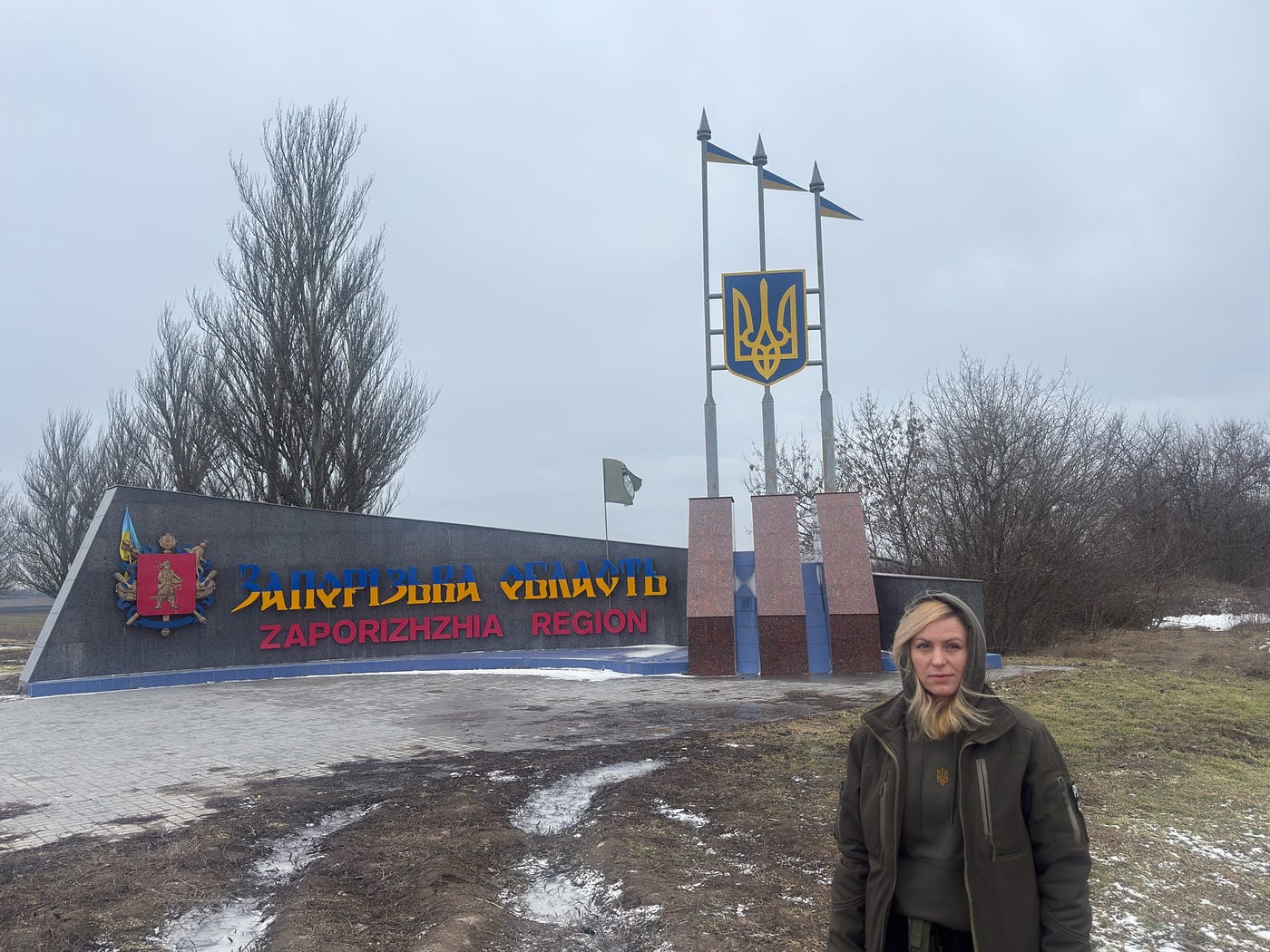
(图:我与阿拉为本文在乌克兰扎波罗热报道时——版权所有, Giorgio Provinciali)
***
持续的停电严重损坏了我们在乌克兰西部的家中的供暖系统,而我们当时就在顿巴斯。
没有电,点着的炉火无法通过水泵循环热水。结果,系统起火,整个房子面临着烧毁的风险。幸而未被烧毁,但整个系统需要更换,房子也需要修复。管道都是歪的,墙壁被烟雾熏黑,供暖系统无法正常工作,需要彻底更换。
我们正在尽最大努力,因为Alla的父母住在那里,但这里还有许多工作要做,周围的人处境也好不到哪儿去。
我们正在重启筹款活动,感谢每一位支持我们修复被俄罗斯摧毁一切的朋友。即使是小额捐款也有帮助。我们会及时更新进展。
感谢大家,朋友们。
如果你相信我们的工作,请支持我们
在过去的三年里,我们一直在乌克兰战争的各个前线进行报道……
https://www.paypal.com/pools/c/9nxoMcbYLF
WENXUECITY.COM does not represent or guarantee the truthfulness, accuracy, or reliability of any of communications posted by other users.
Copyright ©1998-2026 wenxuecity.com All rights reserved. Privacy Statement & Terms of Use & User Privacy Protection Policy
