Ukraine’s Anti-Drone Edge: Why Kyiv’s Air Defense Model Outclasses America’s in a Saturation War
By: Giorgio Provinciali
Live from Ukraine
Chernivtsi – Between drones that have been operationally-tactically neutralized and those destroyed in depots (not just Shahed/Geran’-type ones), Ukraine struck more drones in a single day on Saturday than the US and Israel managed to do in the entire war they ignited in the Middle East: 2,558. This also sets an all-time daily record for the war Russia unleashed in Ukraine, proving that Kyiv’s defenses are by far the most well-structured and economically sustainable against such threats. This stands out even more when compared to the Middle East, where – according to President Zelensky – over 800 PAC-3 MSE interceptors for Patriot systems were fired in the first three days of the US-Israeli operation against Iran: which is more than Ukraine had available for the entire war.
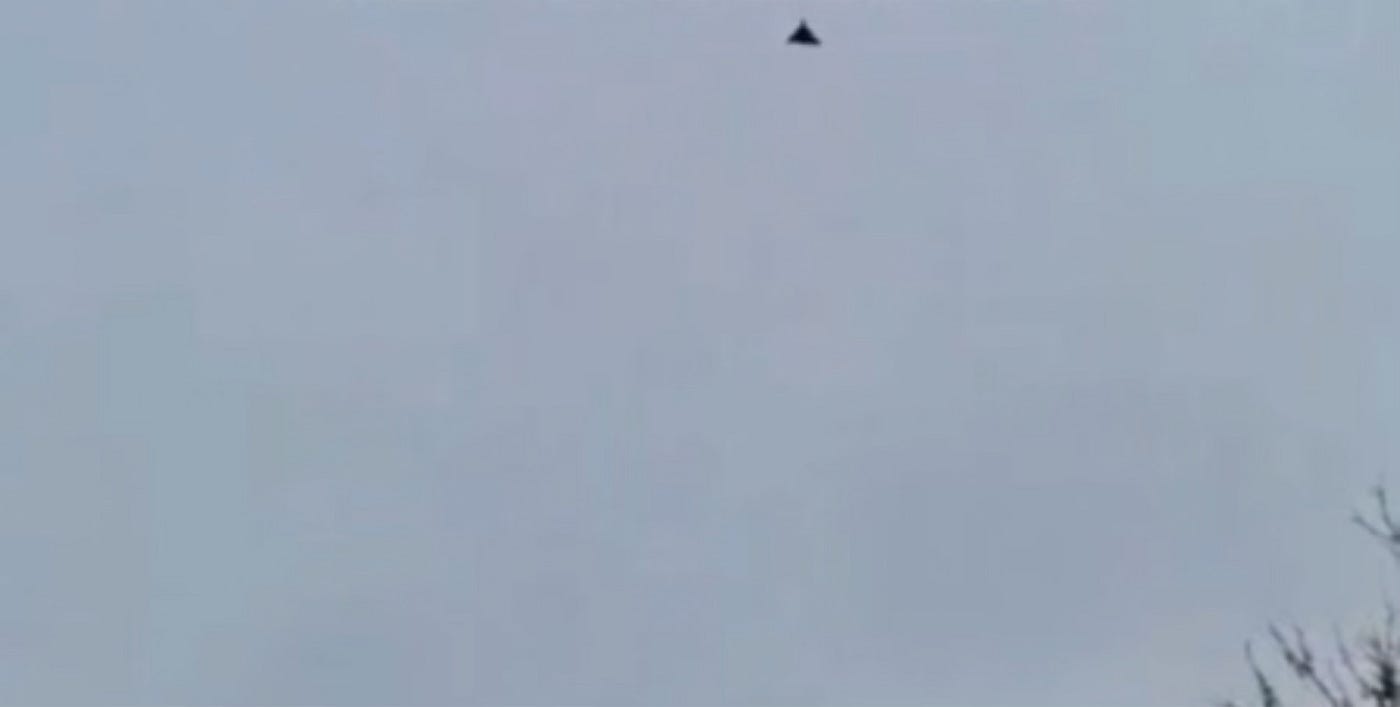
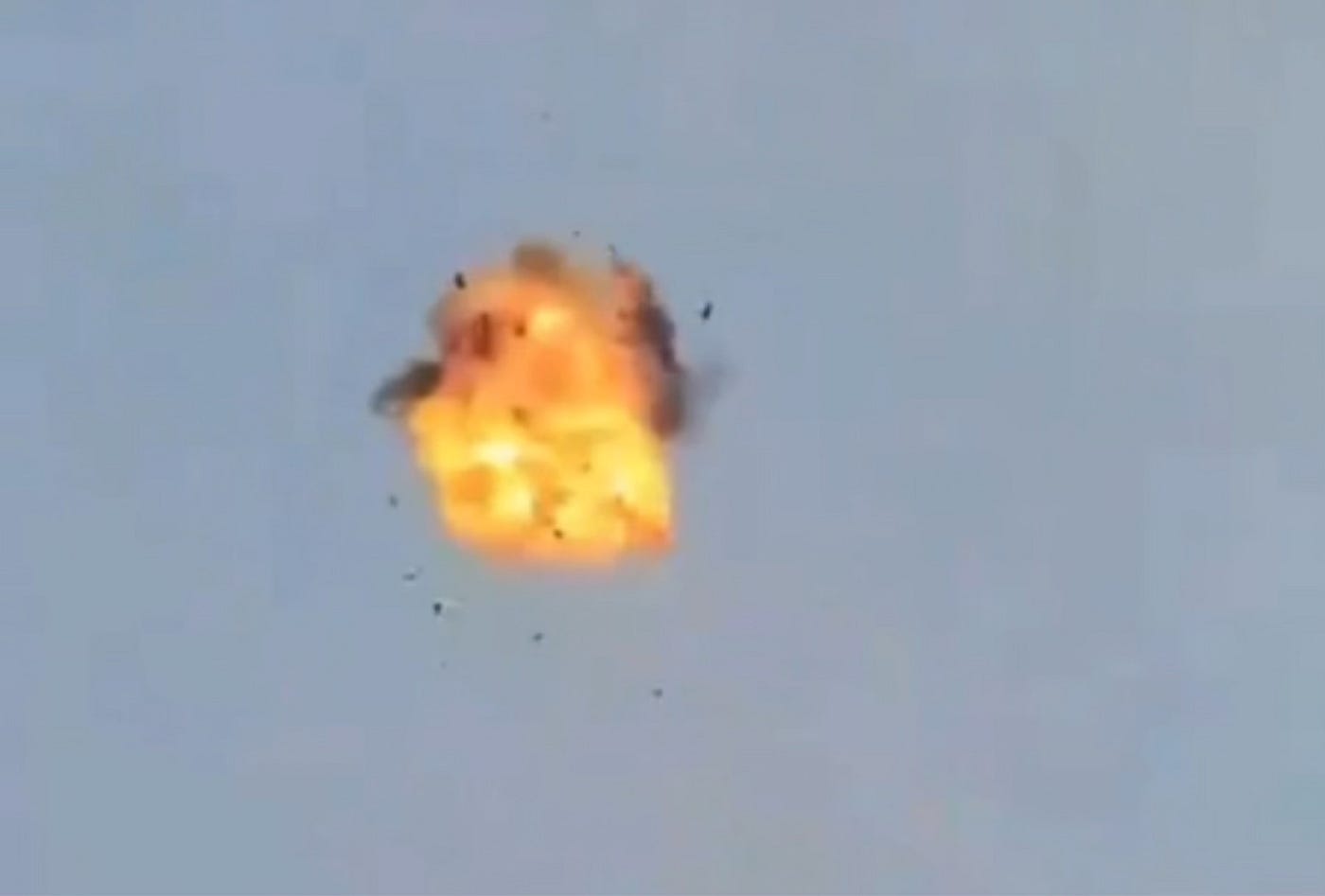
In the first ten days of the US-Israeli operation, Iran launched over 2,000 vectors, with more than half being drones. Despite the White House leader’s boast that American reserves have never been more abundant, even Lockheed Martin tripling the output, the US currently produces only 50 PAC-3 MSE units per month, which remains insufficient to meet the demand. Each costs the US over $5 million, and often more than double that price to importing countries. To have a reasonable chance of destroying a ballistic threat, at least two interceptors are needed, but targeting drones may only require one. However, Ukraine has learned the hard way that Russia and Iran use their drones not only to strike but also to map radar defensesbefore launching missiles like Iskander and Kh-101. For example, a joint Russian-Iranian drone costing around $30,000 managed to damage an AN/TPY-2 radar in Jordan, valued between $500 million and $1 billion, knocking out a key part of the US THAAD network designed to intercept ballistic threats at the edge of space. To counteract this damage, Patriot systems in the Middle East are now consuming even more interceptors.
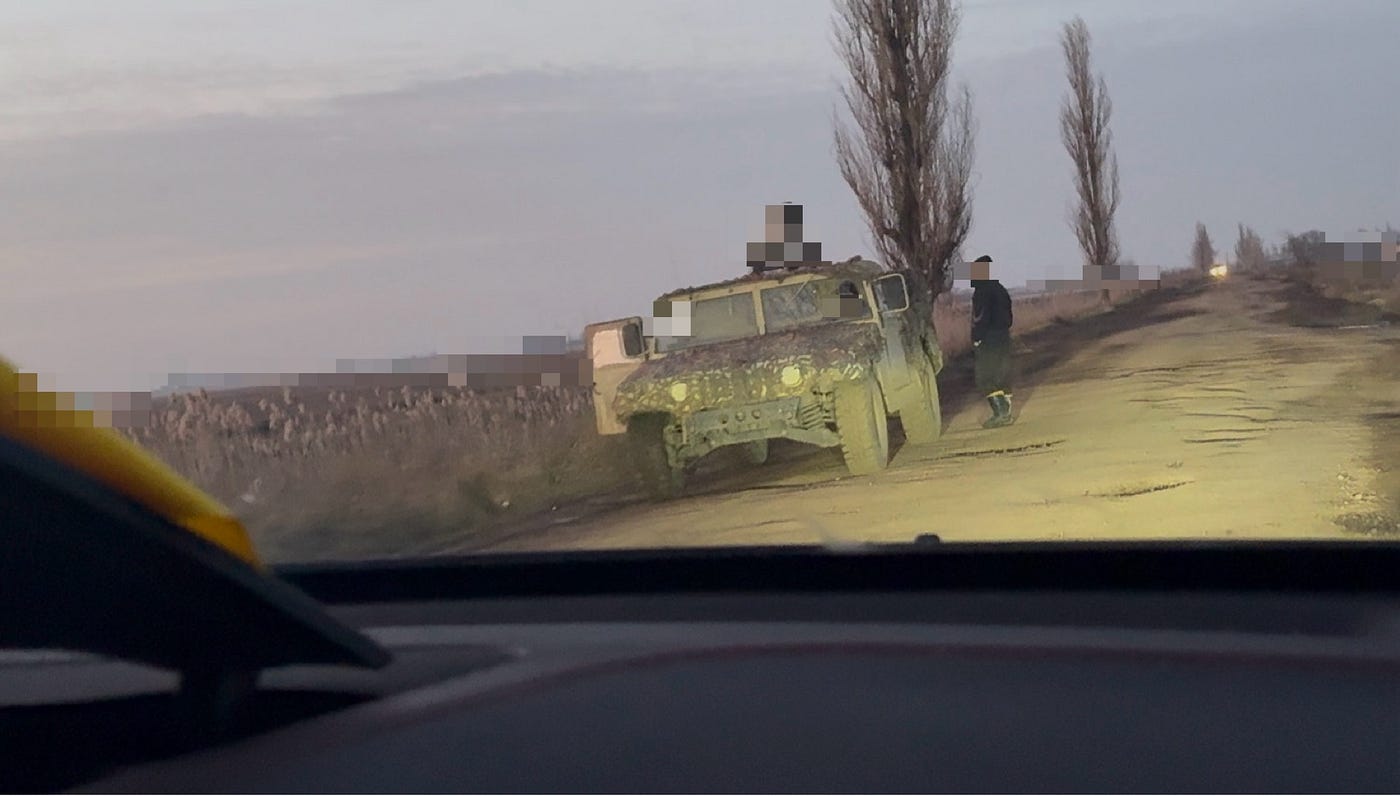
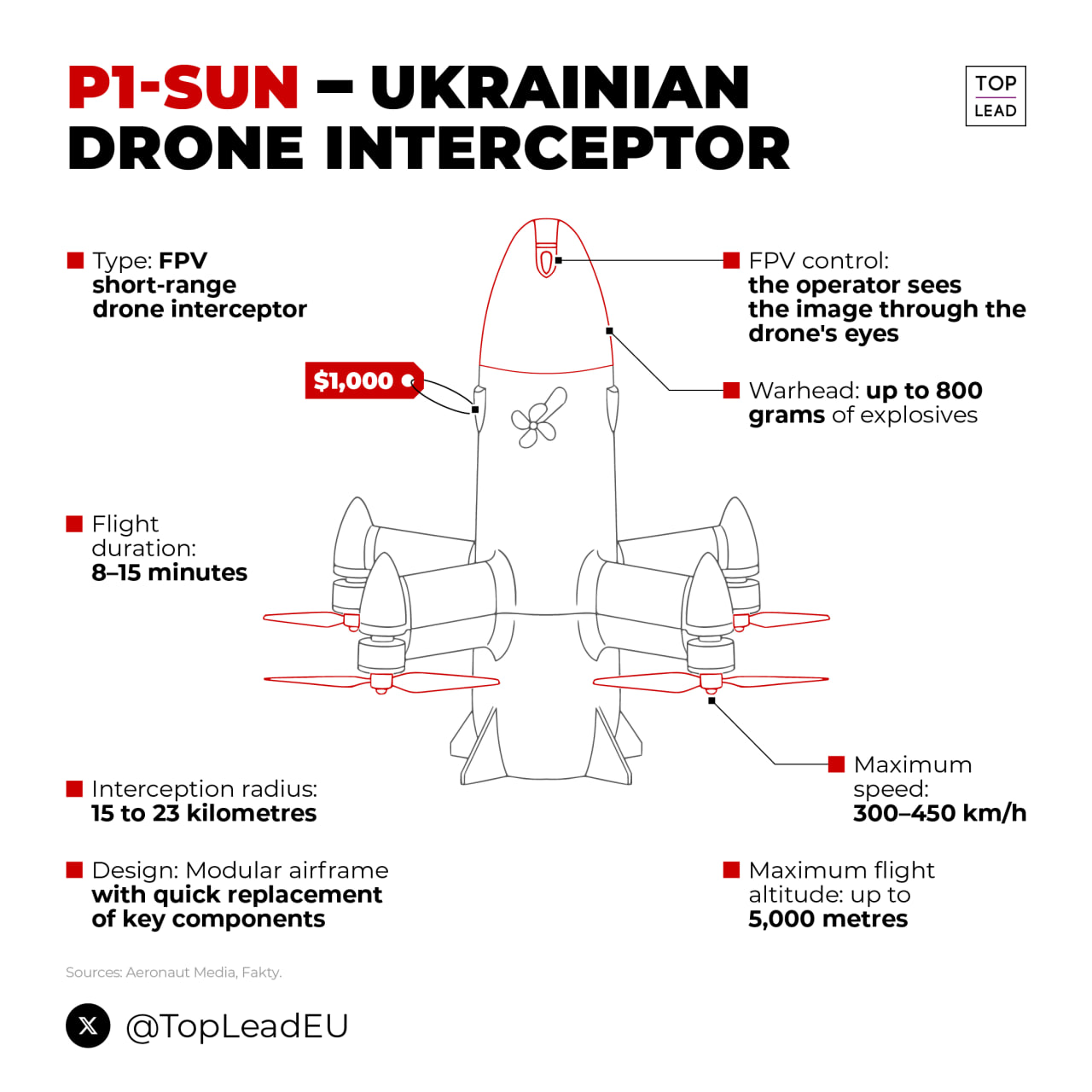
It’s not surprising that countries in the region and the US are eager for Ukrainian-made anti-drone systems like the P1SUN. The Ukrainian model is more sustainable for at least three reasons.
First, it relies on a combination of means, procedures, and industrial adaptation, which significantly reduces interception costs – making it at least ten times cheaper to defend than to attack. This economic advantage is reversed and magnified to a terrifying degree in the American model, where attackers spend between 200 and 400 times less.
Second, the Ukrainian approach is based on understanding that drones are not just impact weapons but tactical probes: they saturate defenses, identify engagement windows, expose radars and launchers, and wear down the most valuable enemy equipment. Using resources this way, even before the most dangerous threats arrive, immediately compromises radar sites like those supporting the American defense system, such as THAAD.
Third, Ukraine’s defense network is broader, more distributed, stratified, and territorially adapted. After years of ongoing bombing, Ukraine has built a defense that depends not only on high-end systems like Patriot and SAMP/T but on a dense network of sensors, mobile units, light anti-aircraft weapons, electronic warfare systems, and distributed interceptors – all coordinated across territories under real-world pressure.
As Alla Perdei and I have repeatedly described from the field, this layered approach greatly narrows penetration routes, increases the likelihood of distributed interception, makes losing a single radar or missile battery less critical, lowers the average cost per kill, and enables the use of diverse means against various threats.
In short, the Ukrainian network is more effective for countering saturation warfare because it is less centralized and more interconnected.
Instead of concentrating on safeguarding only a few key assets with expensive systems, it distributes its defenses across the entire territory, absorbing hits and creating multiple friction points against enemy launchers. For 1,476 days, Ukraine has endured coordinated attacks that now involve approximately five hundred vectors (cruise and ballistic missiles) each night. In such a saturated environment, the American model becomes unsustainable. Even if the US purchased Ukrainian interceptors, it would still need to fundamentally overhaul its entire defense strategy.

For decades, Washington has structured its defenses to protect high-value assets with equally sophisticated and costly systems.
A single week of intense warfare like the one they conducted in the Gulf was enough to show how that model fails when the enemy employs large amounts of inexpensive, expendable, and adaptable vectors.
Therefore, buying Ukrainian drones would help, but not be sufficient. The US should shift from a strategy focused on a few high-value targets – which, as with THAAD, can be disabled easily – to a more layered, networked, and dense system.
The signs that Washington has recognized this are already evident. The Pentagon has started integrating the Replicator 2 program, a low-cost interceptor for fighting small UAVs, based on the DroneHunter. However, the review needs to be more comprehensive because Ukraine’s advantage isn’t just in developing a good interceptor; it’s in creating an entire ecosystem – adapting every part of the chain to industrial attrition warfare.
Kyiv can provide them with a tool; however, the challenge is that Washington will have to rebuild the entire paradigm from scratch.
The ongoing blackouts severely damaged our house’s heating system in Western Ukraine while we were in the Donbas.
Without electricity, the pump couldn’t circulate the liquid while the fire was lit. As a result, the system caught fire, and the whole house was at risk of burning. Fortunately, it did not, but the whole system needs to be changed, and the house needs to be restored. Tubes are all bent, walls are blackened by haze, and the heating system doesn’t work, requiring an entirely new system.
We are doing our best since Alla’s parents live there, but there’s still a lot to work on here, too, as the people around us are in no better situation.
We’re renewing our fundraising campaign and thanking everyone who joins us in helping us restore what Russia is destroying. Even a small donation helps. We’ll keep you updated on developments.
Thank you all, dear friends
乌克兰的反无人机优势:为什么基辅的防空模式在饱和式战争中远胜美国
作者:Giorgio Provinciali
翻译:旺财球球
乌克兰前线报道
切尔尼夫齐——在被战术性地拦截以及在库房中被摧毁的无人机(不仅仅是沙赫德/格兰型)之间,乌克兰周六单日内击落或摧毁的无人机数量比美国和以色列在他们在中东引发的整场战争中击落的还多:2,558 架。这也创下了俄罗斯在乌克兰发动战争以来的单日纪录,证明基辅方面在应对此类威胁时拥有迄今最完善、最具成本效益的防御体系。与中东的情况相比时,这一优势更为明显——据泽连斯基总统称,美国-以色列对伊朗行动的前三天内,发射了超过800枚用于爱国者系统的 PAC-3 MSE 拦截导弹:这一数量超过了乌克兰整个战争期间所拥有的拦截器总数。
(图:一架远程俄制无人机飞越乌克兰村庄)
(图:被乌克兰拦截器摧毁的同一架无人机)
在美以行动的头十天,伊朗发射了超过2000枚载具,其中超过一半是无人机。尽管白宫领导人夸口称美国储备量之多前所未有、洛克希德·马丁将产量提高了三倍,但美国当前每月仅生产约50枚 PAC-3 MSE 拦截器,仍不足以满足需求。每枚成本超过500万美元,且对进口国而言价格往往翻倍。要较有把握地摧毁弹道威胁,通常至少需要两枚拦截器,但对付无人机可能只需一枚。然而,乌克兰的惨痛经验表明,俄罗斯与伊朗使用无人机不仅用于打击目标,还用于在发射伊斯坎德尔、KH-101 等导弹前侦测和绘制雷达防线的分布。例如,一枚造价约3万美元的俄伊联合无人机成功损坏了约旦的一座 AN/TPY-2 雷达,该雷达价值在5亿到10亿美元之间,导致美国用于在近太空高度拦截弹道威胁的 THAAD 网络的关键节点瘫痪。为弥补这一损失,中东地区的爱国者系统现在正在消耗更多的拦截弹。
(图:一些“沙赫德杀手”在行动——版权所有,Giorgio Provinciali)
难怪该地区国家以及美国都急于采购乌克兰制造的反无人机系统,例如 P1SUN。乌克兰的模式之所以更具持续性,至少有三个原因。
第一,它依赖多种手段、流程与工业适配能力的组合,大幅降低了拦截成本——使防御成本至少比攻击便宜十倍。这一经济优势在美国模式中被颠倒并放大到令人震惊的程度:攻击方花费比防御方少200到400倍。
第二,乌克兰的方案建立在这样一种认识之上:无人机不仅仅是撞击武器,还是战术性探测器:它们会饱和防空系统、识别交战窗口、暴露雷达及发射装置位置,并消耗最有价值的敌方装备。在最危险的威胁尚未抵达之前就以这种方式消耗对手资源,会立即削弱像美国 THAAD 这样依赖关键雷达站位的防御体系。
第三,乌克兰的防御网络更加广泛、分布化、分层化,并且根据不同区域进行了适应性布局。经历多年持续轰炸之后,乌克兰建立了一种防御体系,该体系不仅依赖像爱国者与 SAMP/T 这样的高端系统,还依托密集的传感器网络、机动单元、轻型防空武器、电子战系统与分布式拦截器——并在长期实战压力下实现跨区域协同。
正如我与 Alla Perdei 多次在前线所描述的,这种分层方法大大缩小了突破路线、提高了分布式拦截的可能性、使单一雷达或导弹阵地的损失不再致命、降低了拦截的平均成本,并能够针对不同威胁使用多样化手段。
简言之,乌克兰网络在应对饱和式战争时更为有效,因为它更去中心化且互联性更强。
(图片来源:TOPLeadEU)
乌克兰并非集中昂贵系统仅保护少数关键资产,而是将防御分布于整个国土之上,针对敌方发射器削弱攻击并制造多个阻滞点。乌克兰已连续 1,476 天承受协同攻击,如今每晚大约要面对五百个“载具”(巡航导弹与弹道导弹)的袭击。在如此饱和的环境中,美式防御模式变得难以为继。即便美国采购乌克兰的拦截器,也仍需从根本上改造其整体防御战略。
(图:我在赫尔松州一个小村庄拍下这张照片,该地每天都会受到远程与 FPV 无人机的袭击。牌子写着“荣耀归于英雄”——版权所有,Giorgio Provinciali)
数十年来,华盛顿一直采用一种防御模式:用同样复杂而昂贵的系统来保护高价值目标。
然而,仅仅像他们在海湾地区实施的那样一周的高强度作战,就足以表明这种模式的失败:当敌方使用大量廉价、可消耗且可快速调整的“载具”发动攻击时,它根本难以承受。
因此,购买乌克兰无人机会有所帮助,但远远不够。美国应当从以少数高价值目标为核心的战略(例如 THAAD 那样易于被瘫痪的系统)转向更加分层化、网络化和密集化的体系。
华盛顿已开始注意到这一点的迹象已经显现。五角大楼已开始整合“复制者 2 号”项目——一种基于DroneHunter、用于抵抗小型无人机的低成本拦截器。然而,审视必须更为全面,因为乌克兰的优势不仅在于开发出一种优良的拦截器,而在于构建整个生态系统——将供应链的每一环都适配于适应工业消耗战。
基辅可以为他们提供一种工具;但挑战在于,华盛顿必须从零开始重建整个防御范式。
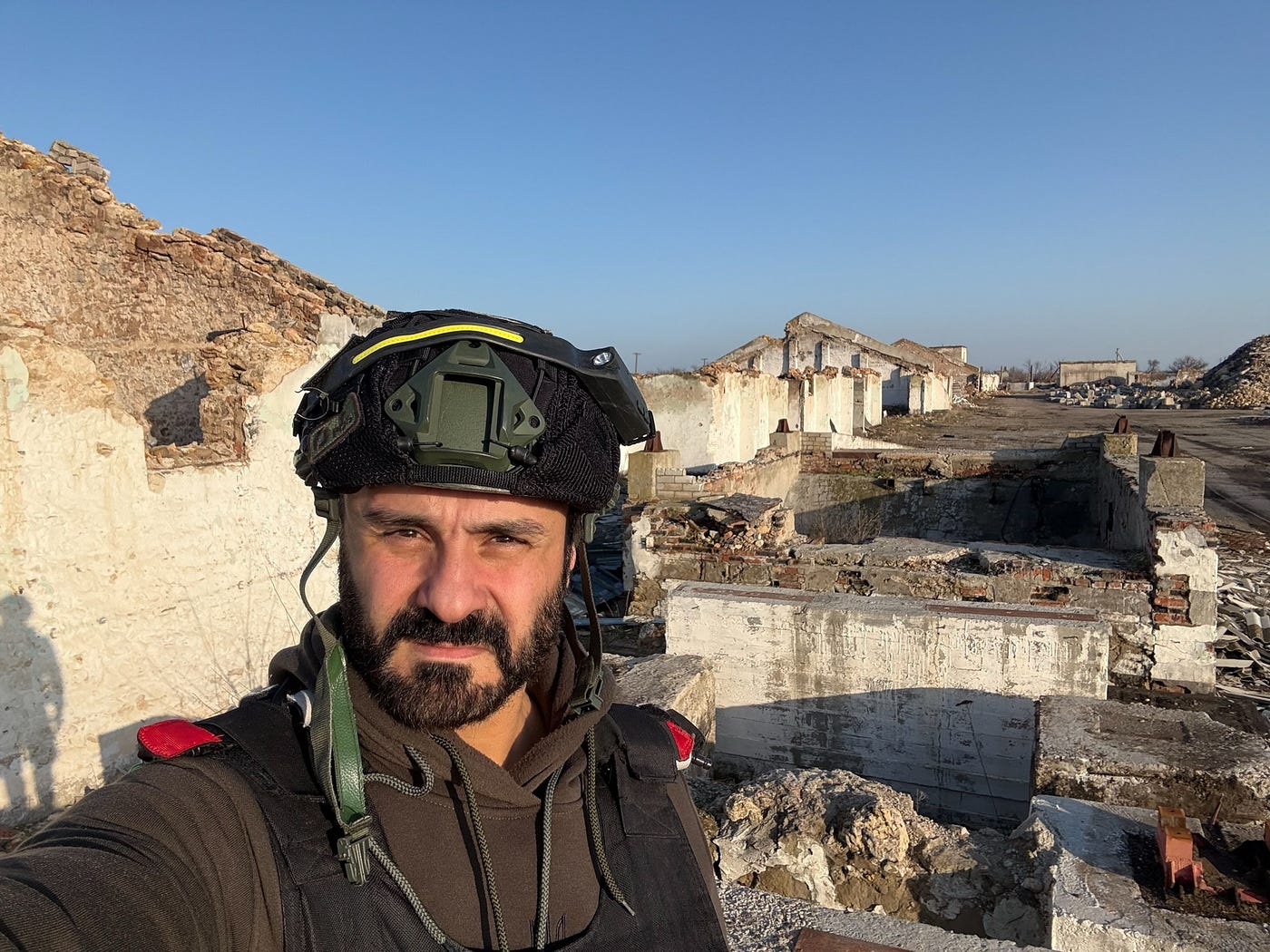
(图:写下一篇文章前几个小时我在乌克兰赫尔松“击杀区”——版权所有,Giorgio Provinciali)
***
持续的停电严重损坏了我们在乌克兰西部的家中的供暖系统,而我们当时就在顿巴斯。
没有电,点着的炉火无法通过水泵循环热水。结果,系统起火,整个房子面临着烧毁的风险。幸而未被烧毁,但整个系统需要更换,房子也需要修复。管道都是歪的,墙壁被烟雾熏黑,供暖系统无法正常工作,需要彻底更换。
我们正在尽最大努力,因为Alla的父母住在那里,但这里还有许多工作要做,周围的人处境也好不到哪儿去。
我们正在重启筹款活动,感谢每一位支持我们修复被俄罗斯摧毁一切的朋友。即使是小额捐款也有帮助。我们会及时更新进展。
感谢大家,朋友们。
如果你相信我们的工作,请支持我们
在过去的三年里,我们一直在乌克兰战争的各个前线进行报道……
https://www.paypal.com/pools/c/9mFvpzKUrU


