Hungarian Blackmail
By: Giorgio Provinciali
Live from Ukraine
Chernivtsi — Viktor Orbán is no longer just blocking Ukraine politically. He has also begun targeting it financially and legally, twisting Hungarian laws into tools of pressure that resemble retaliation. That’s why Volodymyr Zelensky is now openly calling it a European problem: «Orbán is on the Russian leader’s side, and Europe must prepare a Plan B to avoid being held hostage by the Hungarian veto». This perfectly captures what’s happening.
While Kyiv was condemning Hungarian political blackmail, Naftogaz announced that for two consecutive days, the Russian Federation used drones to attack oil infrastructure in southern Ukraine, damaging a pumping station. The group’s president, Serhij Koretskyj, explicitly stated the purpose of these attacks: to prevent Europe from accessing alternative supplies of non-Russian oil by targeting points that could decrease Europe’s dependence on Russian energy.
The Oschadbank incident should be viewed in this context. On March 5, Hungarian authorities stopped two Ukrainian armored vehicles from Austria heading to Ukraine, which were carrying $40 million, €35 million, and 9 kilograms of gold. Hungarian anti-terrorism forces also intervened, handcuffing the seven Ukrainian citizens on board — Oschadbank employees — and forcing them to land.
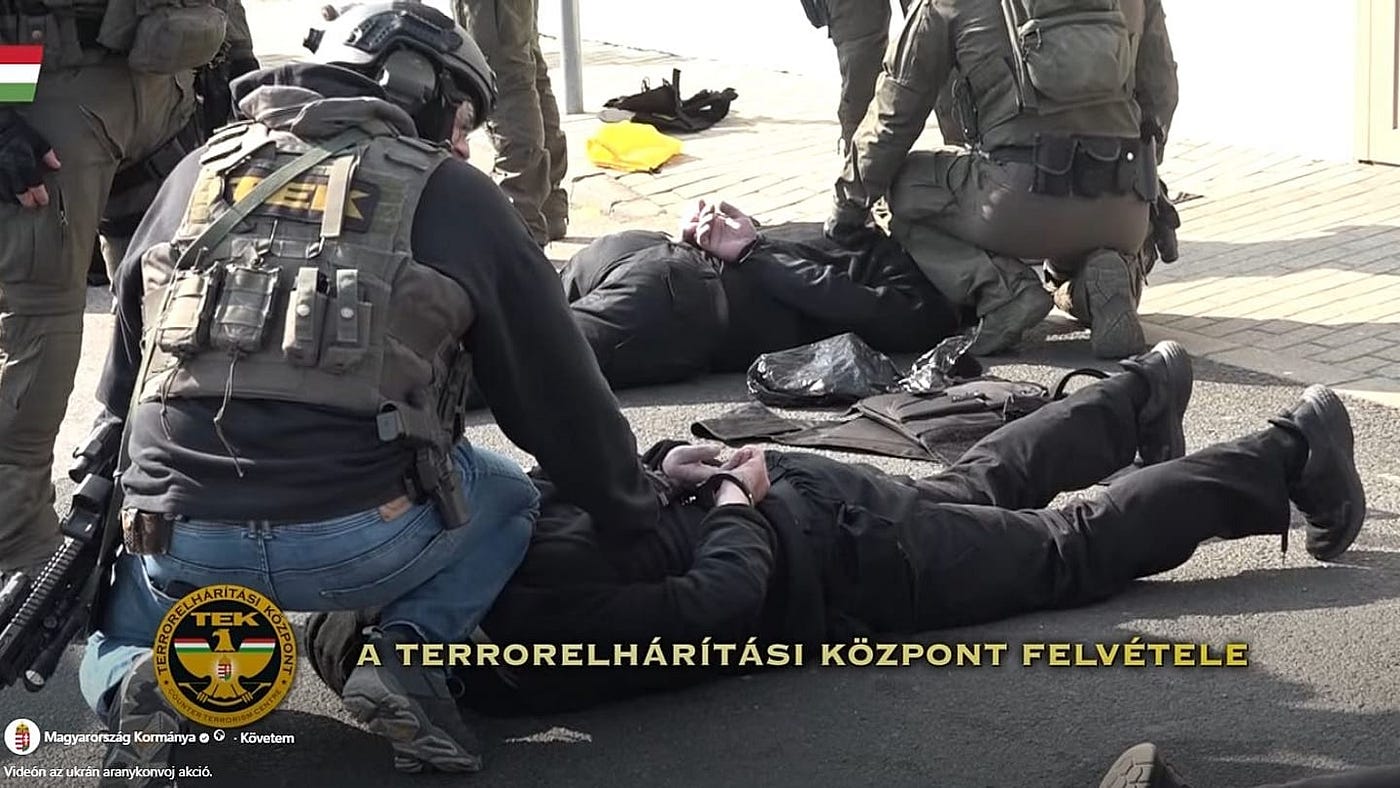
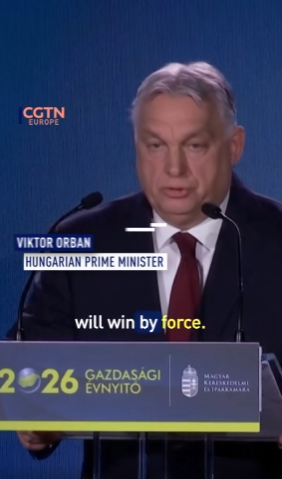
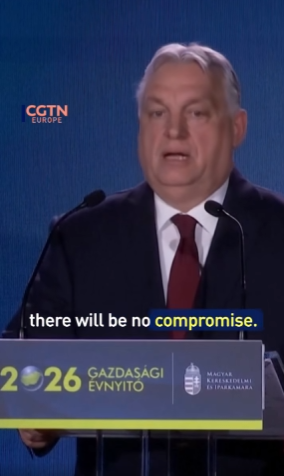
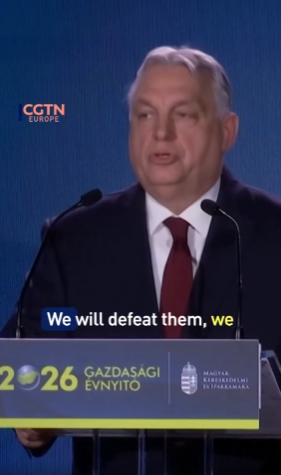
While the Ukrainian ambassador and lawyers complained of being denied access to the detainees, Budapest cited suspected money laundering. Even then, the situation appeared unusual: not just a routine administrative check on assets in transit, but the coercive dramatization — with clear political implications — of a raid, with images the Hungarian government immediately released to the media. Orbán himself attributed the retaliation to the failure of Russian hydrocarbons to flow through the Ukrainian ‘Friendship’ (Druzhba) pipeline, declaring that Hungary would use «all means at its disposal» until it was fixed.
Then came the most serious step: the formal regulatory validation of the abuse. In Hungarian government decree 49/2026 (III.9.), published in the Magyar Közlöny, the Hungarian government not only ordered further investigations but also explicitly identified the March 5 case: the two vehicles, the seven Ukrainian citizens, and the exact amount of seized cash and gold. Even more significant is Article 3: until the 60th day following the decree’s entry into force, those assets must be considered «seized» even without a formal decision from the competent customs and tax authorities; furthermore, any execution of a release from seizure is suspended. The same official file also includes Decree 50/2026, in whose preamble the Hungarian government openly claims that «Ukraine has placed Hungary under an oil blockade», thus linking the withholding of Oschadbank assets to the energy dispute over Druzhba within a specifically constructed regulatory framework.
Article 27 of the Vienna Convention on the Law of Treaties is clear: a state cannot invoke its domestic law to justify failing to fulfill its international obligations. While not fully legalizing the seizure, the Orbán decree attemptsto handle it under Hungarian domestic law by protecting three very serious issues: the (arbitrary) detention of employees, the (instrumental) withholding of valuables, and the obstruction of consular and defense access.
Legally, Article 5 of the European Convention on Human Rights immediately applies, safeguarding personal freedom and prohibiting arbitrary deprivation of liberty outside a procedure prescribed by law. From an international political perspective, Article 36 of the Vienna Convention on Consular Relations states that foreign citizens arrested or detained must be guaranteed communication and consular access. Financially, the ongoing withholding of funds and gold belonging to a Ukrainian state bank, for now and for openly political reasons, also highlights the problem of arbitrary asset deprivation.
The most serious issue, however, is the Hungarian state’s international responsibility. The UN articles on state responsibility limit countermeasures to strict boundaries; among these, Article 50 excludes violations of fundamental human rights obligations and, more broadly, obligations that maintain diplomatic and consular channels.
Therefore, even if Budapest's best argument is that Hungary is responding to Ukrainian actions seen as hostile in the energy sector, it still cannot use detained persons, consular rights, or bank assets as tools for political pressure.
This is not a legitimate countermeasure but an illegal retaliation: a hostile act of state coercion against an attacked country, especially as Russia bombs the infrastructure that could help Europe at least partially free itself from Russian oil.
This is why Zelensky is correct to describe this as a European problem, not just a Ukrainian one. When a European Union government uses its regulatory tools to withhold public bank funds from an attacked country, making the return of those funds dependent on the resumption of Russian crude oil flows, the impact extends beyond Kyiv.
It threatens the very concept of Europe as a legal community. It damages the Union’s credibility and strategic sovereignty. Holding Oschadbank’s funds hostage until Russian oil flows to Hungary again is an escalation of blackmail that started with blocking the €90 billion loan to Ukraine, a move the European Commission itself has said puts the security of all Europe at risk.
The ongoing blackouts severely damaged our house’s heating system in Western Ukraine while we were in the Donbas.
Without electricity, the pump couldn’t circulate the liquid while the fire was lit. As a result, the system caught fire, and the whole house was at risk of burning. Fortunately, it did not, but the whole system needs to be changed, and the house needs to be restored. Tubes are all bent, walls are blackened by haze, and the heating system doesn’t work, requiring an entirely new system.
We are doing our best since Alla’s parents live there, but there’s still a lot to work on here, too, as the people around us are in no better situation.
We’re renewing our fundraising campaign and thanking everyone who joins us in helping us restore what Russia is destroying.
Even a small donation helps.
We’ll keep you updated on developments.
Thank you all, dear friends
匈牙利的勒索
作者:Giorgio Provinciali
翻译:旺财球球
乌克兰前线报道
切尔尼夫齐 — 维克托·欧尔班不再仅在政治上阻挠乌克兰。他也开始在财政和法律层面出手,将匈牙利法律扭曲为带有报复性质的施压工具。因此,弗拉基米尔·泽连斯基如今公开称其为欧洲问题:“欧尔班站在俄罗斯领导人一边,欧洲必须准备B方案,以免被匈牙利的否决权劫持。”这句话恰如其分地概括了正在发生的事情。
在基辅谴责匈牙利的政治勒索之际,乌克兰国家天然气公司Naftogaz宣布,俄罗斯联邦连续两天用无人机袭击乌克兰南部的石油基础设施,造成一处泵站受损。该集团董事长谢尔希·科列茨基明确指出这些袭击的目的:通过打击可能使欧洲减少对俄罗斯能源依赖的节点,阻止欧洲获得非俄罗斯石油的替代供应。
奥沙德银行(Oschadbank)事件应在这一背景下审视。3月5日,匈牙利当局拦截了两辆从奥地利开往乌克兰的乌克兰装甲车,车上携带现金4000万美元、3500万欧元及9公斤黄金。匈牙利反恐部队介入,将车上七名乌克兰公民——奥沙德银行员工—铐住并强制其下车。
(图片来源:Euronews)
当乌克兰大使和律师抱怨被拒绝会见被拘留者时,布达佩斯以涉嫌洗钱为由回应。即便如此,这一情形仍显异常:这不仅是一次对过境资产的常规行政检查,而是带有明显政治意味的强制性作秀式突袭,匈牙利政府随即向媒体公开了相关画面。欧尔班本人将此归咎于通过乌克兰“友谊”管道流经的俄罗斯油气受阻,宣称匈牙利将“动用一切手段”直到问题解决。
随后出现了最严重的一步:对滥用行为的正式法规性确认。在刊登于Magyar Közlöny(匈牙利公报)的匈牙利政府第49/2026号(III.9.)法令中,政府不仅命令进一步调查,还明确指名了3月5日的个案:两辆车辆、七名乌克兰公民,以及被查扣的现金与黄金的具体数额。更重要的是第3条:在法令生效之日起60日内,上述资产即便没有主管海关或税务机关的正式裁定,也应视为“已扣押”;此外,任何解除扣押的执行也被暂停。同一官方文件还包括第50/2026号法令,其前言公开宣称“乌克兰已对匈牙利实施石油封锁”,由此在一个专门构建的监管框架内,将对奥沙德银行资产的扣押与有关“友谊”(Druzhba)管道的能源争端相联系。
《维也纳条约法公约》第27条明确规定:一国不得援引其国内法以证明未能履行国际义务。尽管欧尔班的法令并未完全将查扣合法化,但其试图通过匈牙利国内法来处置此案,从而掩盖三项极为严重的问题:对员工的(任意)拘押、对贵重物品的(工具性)扣押以及对领事与法律辩护的阻碍。
在法律层面上,《欧洲人权公约》第5条立即适用,保障人身自由并禁止在法律程序之外任意剥夺自由;从国际政治角度,《维也纳领事关系公约》第36条规定,被逮捕或被拘留的外国公民应得到通讯与领事接触权的保障。财政上,出于明显政治目的持续扣押属于乌克兰国有银行的资金与黄金,也暴露了任意剥夺资产的问题。
然而,最严重的问题是匈牙利国家的国际责任。联合国关于《国家责任条款》将对抗措施设定了严格界限;其中第50条排除了对基本人权义务的侵犯,以及更广泛地维持外交与领事渠道的义务。
因此,即便布达佩斯最好的辩解是匈牙利在对乌克兰在能源领域的敌对行为作出回应,它仍不能以被扣押人员、领事权利或银行资产作为政治施压的工具。
这不是合法的对抗措施,而是非法的报复:对受攻击国家的国家强制敌对行为,尤为严重的是,此时俄罗斯正轰炸那些本可帮助欧洲至少部分摆脱俄罗斯石油依赖的基础设施。
(音频:非常荣幸和高兴能与著名美国分析师Mark McNamee进行了友好对话,他在其节目“History in the Making: The War in Ukraine”中专门讨论了这一话题。我在此分享该播客:https://open.spotify.com/show/7rnZ6ruHPH393uoKfnHlVV)
(音频:我还与大家分享此前与佩特雷乌斯将军的精彩对话)
这也是泽连斯基将此事描述为欧洲问题而非仅为乌克兰问题的正当理由。当一个欧盟政府利用其监管工具扣押遭受攻击国家的公共银行资金,并将这些资金的归还与俄罗斯原油流向的恢复挂钩时,其影响已超出基辅范围。
这威胁到了欧洲作为法律共同体的根基,损害了欧盟的公信力与战略主权。把奥沙德银行的资金劫为人质,直至俄罗斯原油再次输送到匈牙利,是对先前通过阻挠对乌克兰900亿欧元贷款而发起的勒索行为的升级——欧盟委员会自己也曾表示,此举危及整个欧洲的安全。
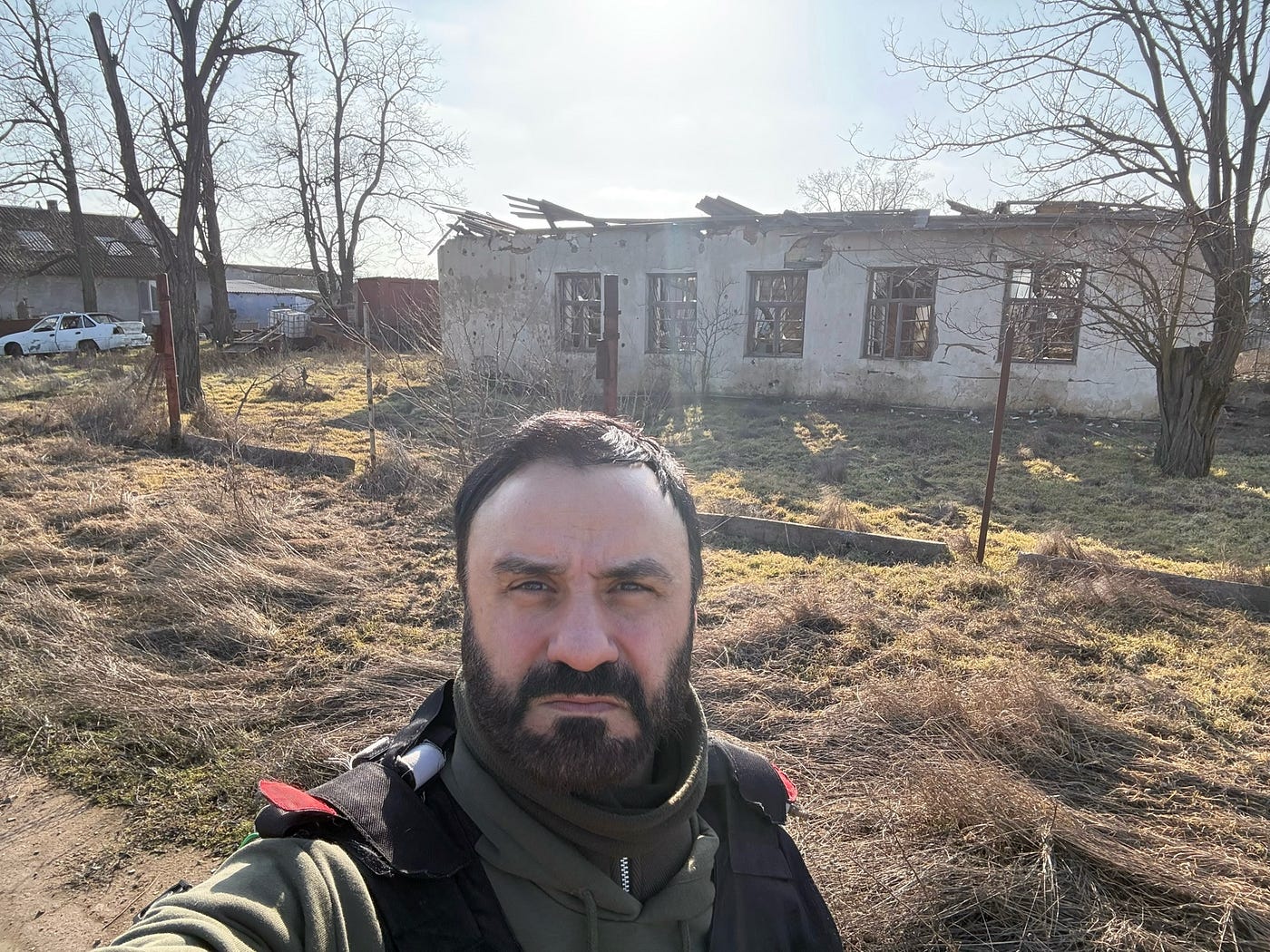
(图:我在乌克兰尼古拉耶夫战区报道的照片——版权所有:Giorgio Provinciali)
(视频:我感谢伟大的法比奥·斯卡恰维拉尼(Fabio Scacciavillani)在其“Inglorious Globastard”平台上接待我。我在Medium上与朋友们分享这篇文章,因为我相信它能对我近期讨论的冲突诸多方面提供有价值的见解,而不幸的是,许多从未到过现场的人对这些问题的报导往往极不准确)
***
持续的停电严重损坏了我们在乌克兰西部的家中的供暖系统,而我们当时就在顿巴斯。
没有电,点着的炉火无法通过水泵循环热水。结果,系统起火,整个房子面临着烧毁的风险。幸而未被烧毁,但整个系统需要更换,房子也需要修复。管道都是歪的,墙壁被烟雾熏黑,供暖系统无法正常工作,需要彻底更换。
我们正在尽最大努力,因为Alla的父母住在那里,但这里还有许多工作要做,周围的人处境也好不到哪儿去。
我们正在重启筹款活动,感谢每一位支持我们修复被俄罗斯摧毁一切的朋友。即使是小额捐款也有帮助。我们会及时更新进展。
感谢大家,朋友们。
如果你相信我们的工作,请支持我们
在过去的三年里,我们一直在乌克兰战争的各个前线进行报道……
https://www.paypal.com/pools/c/9mFvpzKUrU
