
决定战争的人不坐在日内瓦马蹄形会场中心
原文链接:https://medium.com/@giorgioprovinciali/those-who-decide-on-war-do-not-sit-at-the-center-of-the-horseshoe-in-geneva-56047d92e1f2?sk=6520a2e8bf89d63dd7a1b37f9d06051a
Those Who Decide On War Do Not Sit At The Center Of The Horseshoe In Geneva
By: Giorgio Provinciali
Live from Ukraine
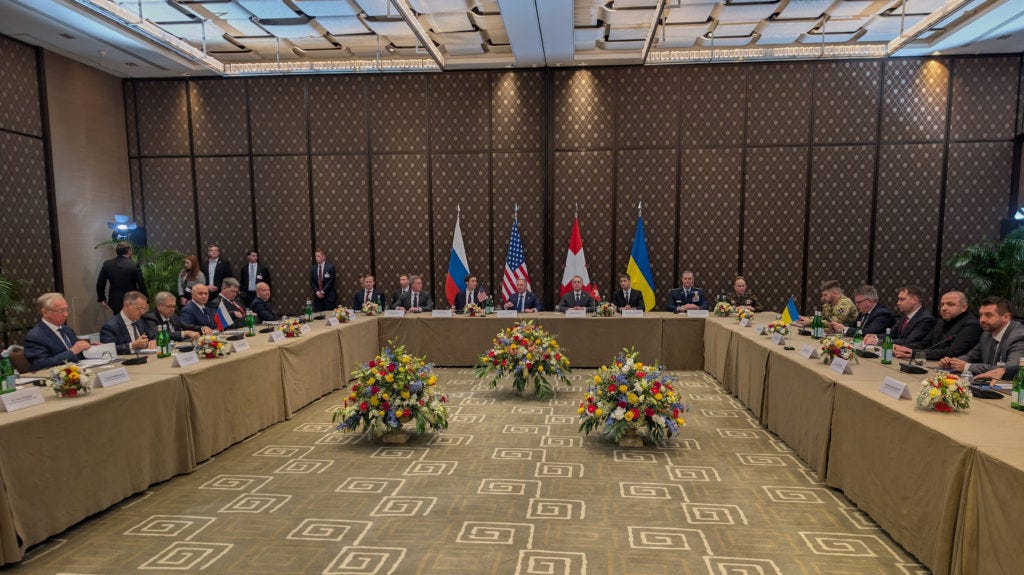
Dnipro — Seeing the United States occupy the central garrison of the horseshoe-shaped city of Geneva was a humiliation for the European Union not in terms of negotiating skill but of power, because although militarily Washington is the only power capable of pounding the table, economically it is Brussels that decides the pace of war.
The most pertinent historical analogy is not Munich 1938, as many have simplistically argued in recent days, but rather that of wars of attrition in which the military front is supported by an external economic hinterland, sometimes unaware of, or even reluctant to, support it.
February 24th, 2022, marked the geographical expansion of a war already underway, not its operational beginning.
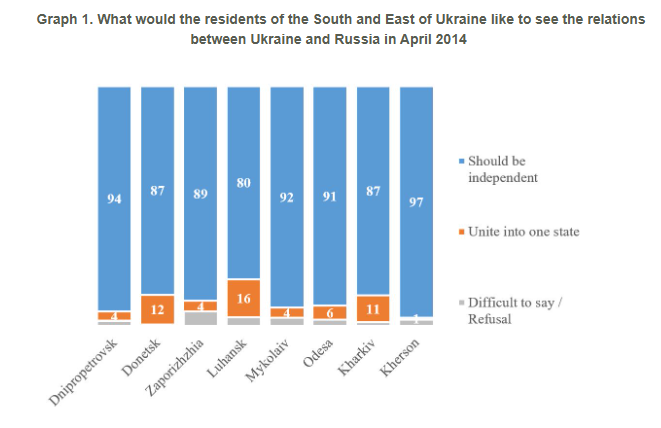
Four days earlier, the Russian Armed Forces had already violated the ceasefire along the line of contact in Donbas 135 times in 24 hours, usingweapons prohibited by the Minsk agreements 116 times. Soldiers, volunteers, and other civilians we’ve spoken to over the years have testified that, under that firestorm, it was difficult to evacuate large areas such as the two-thirds of Luhansk that still were under Kyiv’s control. Proof of the groundlessness of the Russian narrative — to which the West had given credence — is a survey conducted by the Kyiv International Institute of Sociology (KIIS) in April 2014, which found that only 16% of the population of Luhansk Oblast’ supported Ukraine’s unity into one State with the Russian Federation. A study that KIIS analysts reported in September of that same year could not be replicated in Luhansk due to Russian military activities.
In the years that followed, the West continued doing business with Moscow while imposing secondary and cosmetic sanctions that served more to bolster morale than to provide effective strategic deterrence.
It’s no coincidence that our colleagues at “The New York Times” revealedthat dictator Vladimir Putin has said he’s ready for the Russian army to fight for between 18 months and two years to conquer Donbas. That deadline coincides with the entry into force of the only punitive measure that will truly damage the Russian economy, making the war unsustainable: the one that, according to the 19th sanctions package, will self-impose a ban on the EU’s purchase of Russian gas. This is precisely the lever that Mario Draghi immediately identified as decisive, explaining that the EU could turn energy blackmail against Moscow into a strategic advantage in exchange for a sustainable sacrifice. Although the strategy envisioned by Draghi in 2022 remains the only successful one to date, it was not implemented, and Europe lost sight of the time factor that the Italian statesman had identified as a key element of Europe’s competitive advantage. Having missed that opportunity, if by 2028 Ukraine has managed to resist a war that the European Union will have indirectly financed for 14 years, then it will be time for peace.
Rereading the events that preceded and followed Russia’s large-scale invasion of Ukraine over the years helps to contextualize the errors made, starting with those of judgment.
First, it wasn’t a sudden shift but part of a process already underway, tolerated and funded by Europe for almost a decade. As mentioned, at that time, the contact line in Donbas was not a frozen theater but an active front. OSCE data already documented a surge in ceasefire violations, with hundreds of explosions recorded daily. The ‘green men’ sent by Moscow to fight unmarked in Ukrainian Donbas had already used weapons prohibited by the Minsk agreements, and the conflict had already taken the form of a preparatory offensive.
The use of heavy artillery along the line of contact signaled that so-called ‘shaping operations’ were underway. The failure to evacuate the two-thirds of Luhansk Oblast’ under Ukrainian control indicates that Russian soldiers — we refuse to call them ‘separatists’ — were aiming to cut off Ukrainian logistical routes by accessing weapons unobtainable on the black market. Suffice it to recall the Buk missile system, which many years earlier shot down Malaysia Airlines flight MH-17, killing all 298 passengers and crew on board.
Despite this, the Russian narrative — accepted and shared for years in Western debate — continued to frame the conflict as a ‘Ukrainian civil war’.
Yet the leadership of the self-proclaimed ‘republics’ was largely composed of Russian citizens or figures directly linked to Moscow, and the so-called ‘insurrection’ never enjoyed majority local support. As KIIS had already highlighted, local support for annexation was marginal. Therefore, the thesis of a regional conflict did not hold up empirically. It was a hybrid external intervention that combined proxies, disinformation, and regular forces.
Today, those who call it a ‘Russian-Ukrainian conflict’ once again blur the issue, assigning Washington a peacemaker role that the US does not deserve.
The Nord Stream 2 pipeline symbolized Europe’s strategic contradiction. Sanctions were imposed, while billions were invested in an infrastructure that increased Europe’s energy dependence on Moscow.
Vladimir Putin’s declared willingness to fight for another 18–24 months must therefore be interpreted in an economic-strategic context. It confirms that the Russian dictator was able to rationally calculate that the political cost of sanctions would be manageable, that Europe would not have interrupted vital energy flows, and that time would have been on his side, allowing him to find alternative markets. Contrary to the drastic approach proposed by Mario Draghi, the sanctions imposed to date have had nonlinear and delayed effects.
However, Moscow has opened trade channels where it trades at a discount, with extremely high logistics and insurance costs, and by squeezing the civilian sector to fuel the military. Thus, sustainability exists but is not infinite.
The duration of the war is therefore correlated with the timing of Europe’s energy decoupling. No matter how much America pounded its fists on the table, if Ukraine can hold out until Russia’s financial leverage is truly compressed, then peace will not be the result of compromise.
The ongoing blackouts severely damaged our house’s heating system in Western Ukraine while we were in the Donbas.
Without electricity, the pump couldn’t circulate the liquid while the fire was lit. As a result, the system caught fire, and the whole house was at risk of burning. Fortunately, it did not, but the whole system needs to be changed, and the house needs to be restored. Tubes are all bent, walls are blackened by haze, and the heating system doesn’t work, requiring an entirely new system.
We are doing our best since Alla’s parents live there, but there’s still a lot to work on here, too, as the people around us are in no better situation.
We’re renewing our fundraising campaign and thanking everyone who joins us in helping us restore what Russia is destroying. Even a small donation helps. We’ll keep you updated on developments.
Thank you all, dear friends
决定战争的人不坐在日内瓦马蹄形会场中心
作者:Giorgio Provinciali
翻译:旺财球球
乌克兰前线报道
第聂伯 — 看到美国占据日内瓦马蹄形城池的中央驻军,对欧盟而言是一种屈辱,屈辱的不是谈判技巧而是力量:尽管在军事上华盛顿是唯一能狠狠拍桌子的力量,但在经济上决定战争节奏的是布鲁塞尔。
最贴切的历史类比并非近来许多人简单主张的1938年慕尼黑,而应是消耗战:军事前线由外部经济后方支持,——该腹地有时并未意识到,甚至不情愿去支援这场斗争。
(图:美方(中)、乌方(右)、俄方代表出席周二在瑞士日内瓦举行的下一轮三方会谈 — 图片来源:乌克兰国家安全与国防委员会新闻办公室,经美联社提供)
早四天前,俄罗斯武装部队已在24小时内沿顿巴斯接触线135次违反停火,并116次使用明斯克协议禁止的武器。多年来我们采访的士兵、志愿者及其他平民都证实,在那场火力风暴下,撤离像卢甘斯克仍由基辅控制的三分之二这类大片地区是非常困难的。证明俄罗斯叙事毫无根据——西方曾对其信以为真——的证据是基辅国际社会学研究所(KIIS)2014年4月的一项调查:该调查发现卢甘斯克州只有16%的人口支持乌克兰与俄罗斯联邦合并为一个国家。KIIS分析员在同年9月报告的一项研究因俄罗斯的军事活动而无法在卢甘斯克重复进行。
(图片来源与版权:基辅国际社会学研究所)
随后数年,西方一边继续与莫斯科做生意,一边实施次要且表面的制裁,这些制裁更多是鼓舞士气,而非提供有效的战略威慑。
《纽约时报》的同事披露,独裁者弗拉基米尔·普京曾表示愿意让俄军为征服顿巴斯战斗18个月到两年,这并非巧合:这一时限恰与唯一能真正重创俄罗斯经济、使战争难以为继的惩罚性措施生效时间相吻合——即第19轮制裁中将由欧盟自我施加的对俄天然气购买禁令。正是这一杠杆被马里奥·德拉吉立即认定为决定性,他解释称欧盟可以把对莫斯科的能源勒索转为战略优势,以换取可持续的牺牲。尽管德拉吉在2022年设想的策略迄今仍是唯一可行之策,但并未付诸实施,欧洲也因此忽视了这位意大利政治家所指出的、作为竞争优势关键要素的时间因素。错失良机后,如果到2028年乌克兰能够抵抗住一场欧盟间接资助已达14年的战争,那么那时或许才是实现和平的时候。
(视频来源:Vista — 马里奥·德拉吉敦促立即停止欧盟购俄天然气以切断俄政权财政来源,从而迫使战争结束,时为2022年初)
回顾那些在俄罗斯大规模入侵乌克兰前后发生的事件,有助于把错误放入情境中,首先是判断上的错误。
首先,这并非一夜之间的转变,而是一个已持续进行、欧洲容忍并资助了近十年的进程。如前所述,当时顿巴斯的接触线并非冻结的战区,而是一条活跃的前线。欧洲安全与合作组织(OSCE)的数据显示,停火违规激增,每日有数百起爆炸被记录。莫斯科派往乌克兰顿巴斯、匿名作战的“绿人”已使用明斯克协议禁止的武器,冲突也已呈现为一场预备性的攻势。
沿接触线使用重炮表明所谓的“塑形行动”正在进行。未能撤离仍由乌克兰控制的卢甘斯克州三分之二地区,说明俄军——我们拒绝称其为“分离主义者”——意在通过获取黑市买不到的武器切断乌克兰的后勤通道。只需回想多年前击落马航MH-17航班、导致机上298名乘客与机组全部遇难的布克导弹系统即可为证。
尽管如此,长期以来被西方话语接受并传播的俄罗斯叙事仍将冲突描绘为“乌克兰内战”。
然而,所谓“共和国”的领导层在很大程度上由俄罗斯公民或与莫斯科直接相关的人物组成,而所谓的“起义”从未获得当地大多数人的支持。正如KIIS早已指出的那样,地方上支持并入的意愿微乎其微。因此,将其视为地区性冲突的论断在经验证据面前站不住脚。这是一场混合的外部干预,融合了代理人、虚假信息和正规军力量。
(图:我们在乌克兰科韦尔拍摄了此照片— 版权所有,Giorgio Provinciali)
如今,那些仍称之为“俄乌冲突”的人再次混淆视听,赋予华盛顿一个其并不配得上的调停者角色。
“北溪二号”管道象征着欧洲的战略自相矛盾:一方面实施制裁,另一方面又在一项增加对莫斯科能源依赖的基础设施上投入数十亿。
普京宣称愿意再战18至24个月,必须在经济-战略背景下理解。这表明这位俄罗斯独裁者能够理性估算制裁的政治代价是可控的,即欧洲不会中断关键能源供应,时间会站在他这一边,使其有机会寻找替代市场。与马里奥·德拉吉提出的激进做法相反,迄今为止实施的制裁效力呈非线性且滞后。
然而,莫斯科已开辟出以折扣价交易的贸易渠道,伴随极高的物流和保险成本,并通过挤压民用部门来支撑军事开支。因此,这种可持续性存在,但并非无限。
战争的持续时间因此与欧洲能源脱钩的时机相关。无论美国如何声嘶力竭,如果乌克兰能撑到俄罗斯的金融杠杆真正被压缩之时,那么和平将不会是妥协的结果。
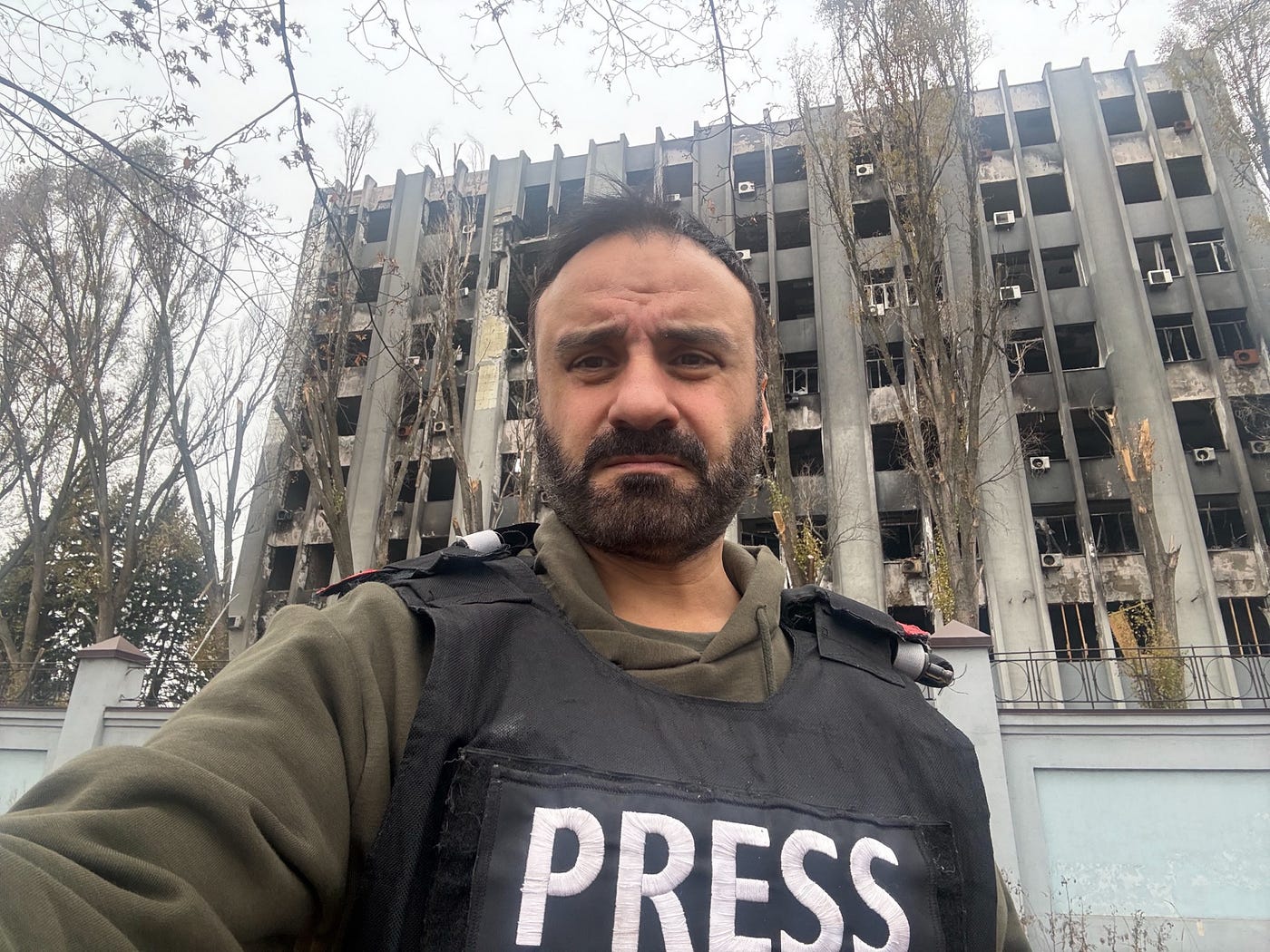
(图:我在乌克兰第聂伯为本文报道 — 版权所有, Giorgio Provinciali)
***
持续的停电严重损坏了我们在乌克兰西部的家中的供暖系统,而我们当时就在顿巴斯。
没有电,点着的炉火无法通过水泵循环热水。结果,系统起火,整个房子面临着烧毁的风险。幸而未被烧毁,但整个系统需要更换,房子也需要修复。管道都是歪的,墙壁被烟雾熏黑,供暖系统无法正常工作,需要彻底更换。
我们正在尽最大努力,因为Alla的父母住在那里,但这里还有许多工作要做,周围的人处境也好不到哪儿去。
我们正在重启筹款活动,感谢每一位支持我们修复被俄罗斯摧毁一切的朋友。即使是小额捐款也有帮助。我们会及时更新进展。
感谢大家,朋友们。
如果你相信我们的工作,请支持我们
在过去的三年里,我们一直在乌克兰战争的各个前线进行报道……
https://www.paypal.com/pools/c/9mFvpzKUrU