
A Political and Strategic Vacuum re Ukraine
原文链接:https://medium.com/@giorgioprovinciali/a-political-and-strategic-vacuum-re-ukraine-891bb985dce2?sk=870df47e303b4074d51fed157543b041
A Political and Strategic Vacuum re Ukraine
By: Giorgio Provinciali
Live from Ukraine
Berestyn – Although officially restored on approved devices, Starlink connectivity remains unstable in Ukraine, even for whitelisted users.
For a couple of days during the air raid alert, Elon Musk’s satellite network was unreachable, even for verified accounts, and Russian strikes using vectors interfaced with that system decreased. Then, connectivity appeared to stabilize, and the strikes resumed with increasing brutality, targeting Ukraine’s civilian infrastructure, including energy infrastructure.
On the night of February 7, Ukrainian anti-aircraft defenses downed 382 long-range, high-explosive drones and 24 other missiles. The Russians had launched 408 and 39, respectively, damaging a school in Ladyzhyn (Vinnytsia Oblast’), buildings and thermal power plants in Stary Dobrotvir (Lviv), Burshtyn (Prykarpattia), Halicia and Rogatyn (Ivano-Frankivsk), Uman (Cherkasy), as well as substations in Rivne and Volyn’ directly connected to the local nuclear power plant. It was the tenth combined Russian attack on DTEK infrastructure since last October and the two hundred and twentieth since the start of the full-scale invasion of Ukraine. The following night, it was criminally completed with another extremely violent strike targeting Naftogaz’s DSN units in the Poltava region. Being in those areas, we were able to document it. It was purely for the record, since our videos constitute evidence of the systematic violation of international law that effectively no longer exists.
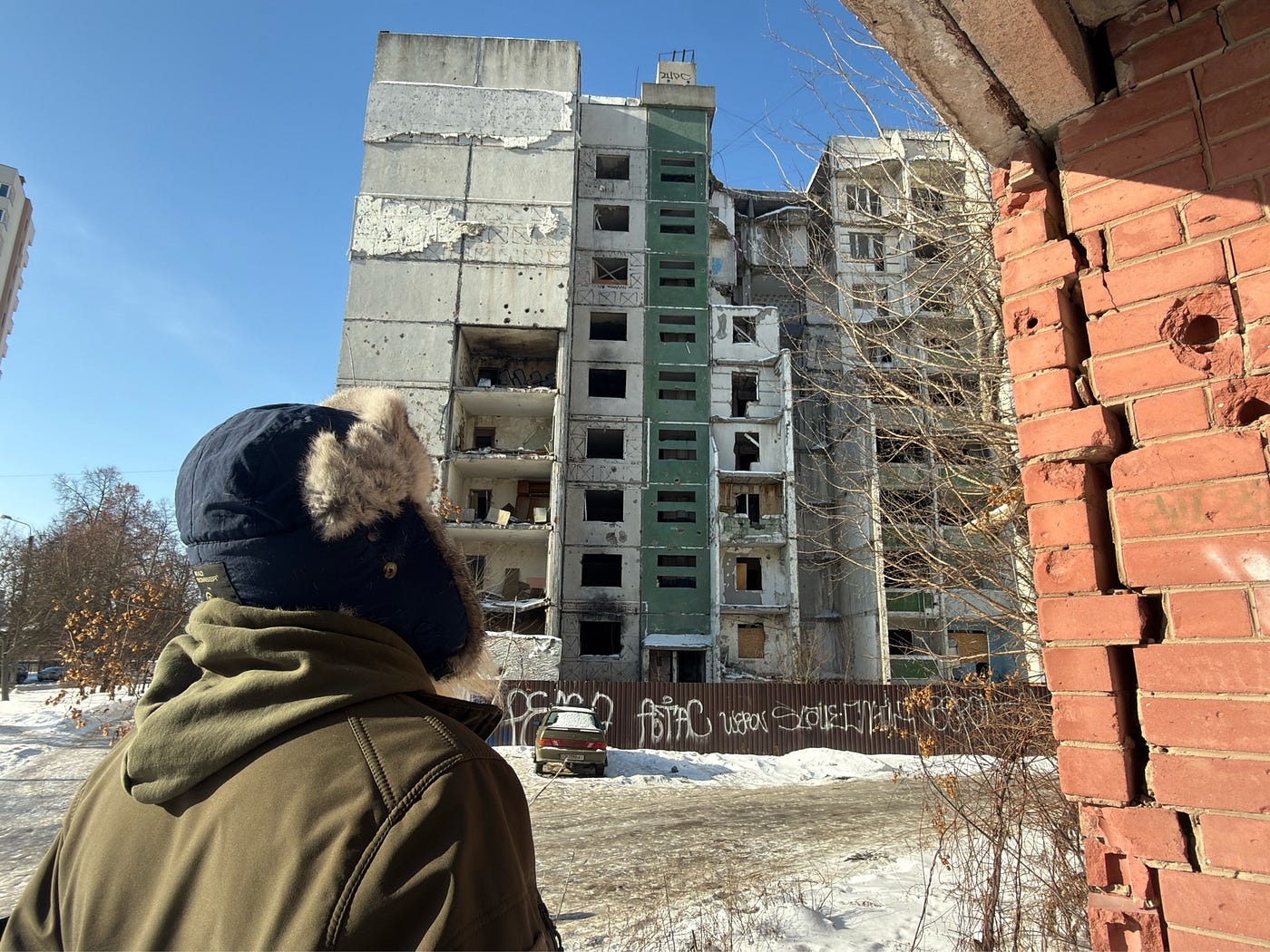
The Russian military intentionally struck Ukraine’s main power grid, seriously compromising the energy and nuclear security of an active member of the IAEA Board of Governors.
Yet what was the reaction of the so-called «free world»? Nothing. No activation of specific nuclear security-related deterrent mechanisms. No formalized red line on targeting the power grid as a vector of nuclear risk. No credible political or military consequences for those who deliberately gambled with nuclear power. No acknowledgement of the fact that this problem concerns everyone, not just Ukraine.
Beyond the attack itself, the disturbing point is the political and strategic vacuum that followed.
By intentionally striking Ukraine’s main power grid, Moscow did more than simply bomb civilian infrastructure: it threatened European and global nuclear security. In a system like Ukraine’s, the power grid is integral to nuclear power plant safety: it powers cooling, control, monitoring, and backup systems. Systematically interrupting it means deliberately approaching the threshold of a nuclear accident.
The Burshtyn and Dobrotvir thermal power plants provide generation, while the substations and 750 kV and 330 kV overhead lines that pass through the other aforementioned facilities are the vector. Severely damaging or destroying these facilities – civilian and protected by a dense network of international treaties – resulted in the unloading of nuclear power plants, which were forced to reduce generation capacity.
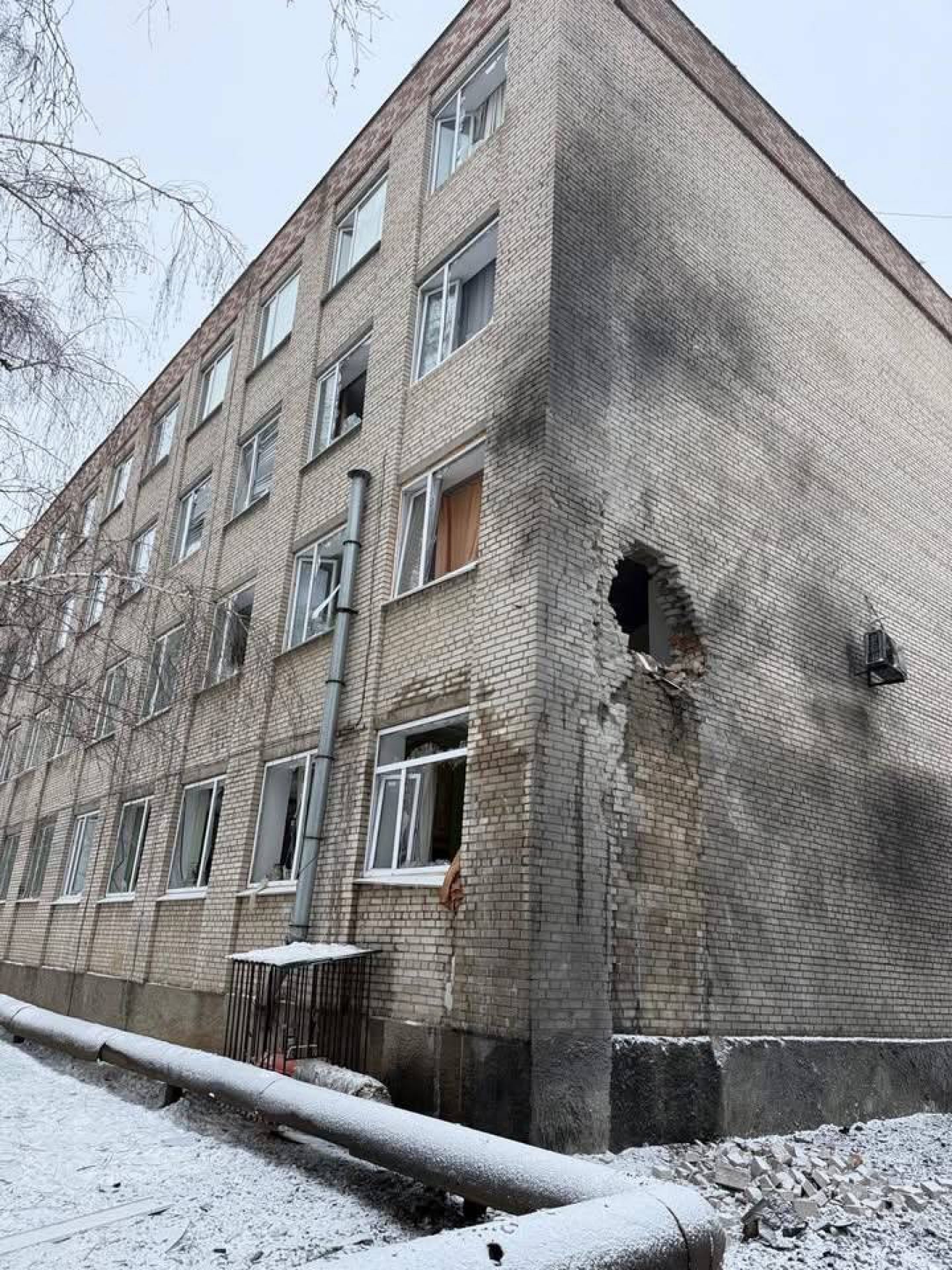


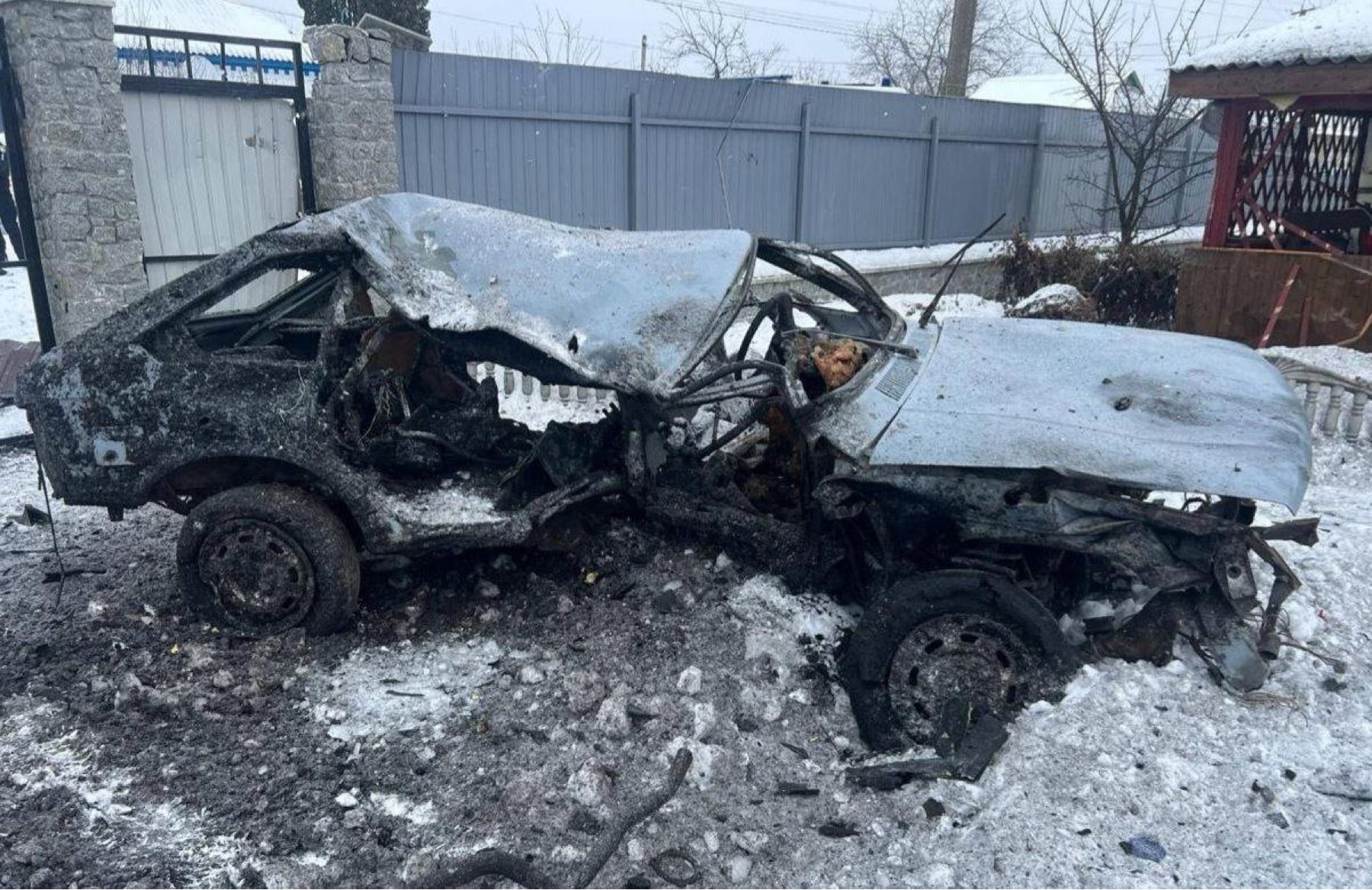

At Ukrenergo’s request, the volume of outages was therefore increased, confident that these additional limitations could contribute to balancing the energy system, along with electricity imports through urgent requests to countries like Poland.
Is it possible that the attack on the nuclear security of a country that directly contributes to the global governance of civil nuclear power went so unnoticed?
The rules-based world’s last fig leaf thus covered a strategic cowardice: nuclear risk is tolerable, as long as it stays elsewhere.
Media attention is focused on the alleged advantage gained by the belated stance taken by Elon Musk, owner of Starlink, which in reality is an integral part of the American blackmail against Ukraine. As we explained in our previous articles, the US intentionally left Ukrainian air defenses unprotected despite knowing of the impending Russian attacks on the Ukrainian energy system, which they actually contributed to making more powerful, staging the farce of an energy truce until Moscow could strike with the greatest possible force when the record cold would have multiplied the damage. Then, four years late, they activated the same satellite internet containment measures they had committed to implementing in 2022, only to then do so with the roles reversed. Given the enormous amount of false information and uncritical reporting from other agencies that many Italian media outlets are passing off as «news from the field,» it is perhaps time to clarify some observations we subtly made in our last article.
Again:
Russia is not among the countries covered by Starlink. So why did Elon Musk wait so long to deactivate the service? Ukraine is, however, among the countries covered by the service. However, when the Ukrainian government legitimately asked Elon Musk to provide the service in Crimea, legally part of Ukraine, he refused, preventing the Ukrainians from using it for offensive operations. Musk then maintained this position during the Kursk operation, jeopardizing its success. Likewise, it should be noted that indiscriminately blocking all signals on Ukrainian territories illegally occupied by the Russian Federation now prevents the Ukrainians from conducting deep-sea strikes to reconquer them.
Therefore, the introduction of the whitelist will make sense as long as Kyiv decides which devices to authorize on its entire territory and as long as the Starlink company keeps its commitment – publicly stated but culpably «neglected» during four years of war – not to provide services in Russia.
Rejoicing over a superficially reported fact and remaining silent on such an obvious issue is not carelessness: it is narrative complicity.
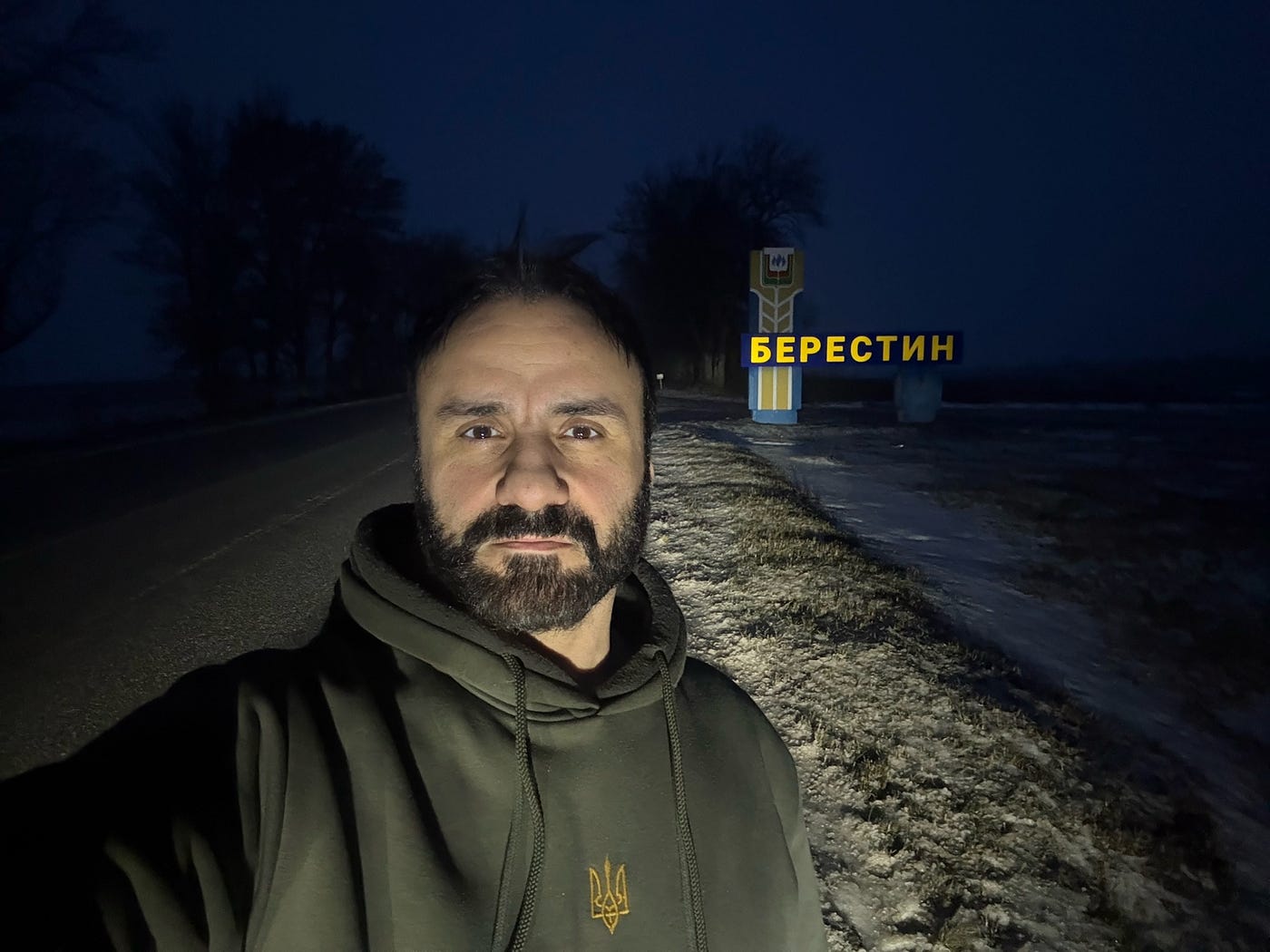
The ongoing blackouts severely damaged our house’s heating system in Western Ukraine while we were in the Donbas.
Without electricity, the pump couldn’t circulate the liquid while the fire was lit. As a result, the system caught fire, and the whole house was at risk of burning. Fortunately, it did not, but the whole system needs to be changed, and the house needs to be restored. Tubes are all bent, walls are blackened by haze, and the heating system doesn’t work, requiring an entirely new system.
We are doing our best since Alla’s parents live there, but there’s still a lot to work on here, too, as the people around us are in no better situation.
We’re renewing our fundraising campaign and thanking everyone who joins us in helping us restore what Russia is destroying. Even a small donation helps. We’ll keep you updated on developments.
Thank you all, friends
乌克兰问题的政治与战略真空
作者:Giorgio Provinciali
翻译:旺财球球
乌克兰前线报道
贝列斯廷——尽管在已批准的设备上官方恢复了连接,Starlink 在乌克兰仍然不稳定,即便对白名单用户亦如此。
空袭警报期间有几天,埃隆·马斯克的卫星网络,即使是经过验证的账号,也无法连接,与该系统相连的俄方袭击有所减少。随后连接似乎恢复稳定,袭击也以更残酷的方式恢复,针对乌克兰的民用基础设施,包括能源设施。
2月7日晚,乌克兰防空系统击落了382架远程高爆无人机和另外24枚导弹。俄军分别发射了408架和39枚,致使文尼察州拉迪任的一所学校受损,利沃夫州斯塔里·多布罗特维尔、普里卡尔帕提亚的布爾什丁、伊万诺-弗兰基夫斯克的哈利恰与羅哈亭、切爾卡瑟的烏曼的建筑与热电厂受损,以及直连当地核电站的日维讷与沃伦的变电站受损。
这是俄方自去年十月以来对DTEK基础设施的第十次联合攻击,也是自全面入侵乌克兰以来的第二百二十次。次日夜间,这一罪行以对波尔塔瓦州的纳夫托加兹的配电单元的又一次极为猛烈而告完成。我们当时身处这些地区,得以记录下这一事件。这纯粹是为了存证,因为我们的视频成为了已形同虚设的国际法被系统性违反的证据。
(图:Alla凝视切尔尼戈夫被俄军摧毁的民用基础设施。她肩旁另一处民用设施——一家药房亦被俄联邦摧毁——版权所有,Giorgio Provinciali)
俄军蓄意袭击乌克兰的主电网,严重破坏了一名在任国际原子能机构(IAEA)理事会成员国的能源与核安全。
然而,所谓“自由世界”的反应是什么?无动于衷。没有启动任何专门针对核安全的威慑机制。没有就将电网作为核风险载体而设定的正式红线。对于那些蓄意拿核能冒险者,既无可信的政治后果也无军事制裁。也无人承认这一问题关系到所有人,而不仅仅是乌克兰。
除了袭击本身,更令人不安的是随后出现的政治与战略真空。
莫斯科有意打击乌克兰主电网,所做之事不仅仅是轰炸民用基础设施:它威胁到了欧洲乃至全球的核安全。在像乌克兰这样的体系中,电网是核电站安全不可或缺的一环:为冷却、控制、监测与备用系统供电。系统性地切断电网意味着有意逼近核事故的临界点。
布爾什丁与多布羅特維爾热电厂承担发电,而穿过上述设施的变电站以及750千伏和330千伏架空线路则构成了作战载体。严重破坏或摧毁这些受国际条约密集保护的民用设施,导致核电站卸载运行,被迫降低发电负荷。
应乌克兰国家电网公司(Ukrenergo)的请求,停电量因此被扩大,相关方面确信这些额外限制连同对波兰等国的紧急电力进口,可有助于平衡能源系统。
一个直接参与民用核能全球治理的国家的核安全受到如此攻击而如此无人问津,这可能吗?
以规则为基础的世界最后一片遮羞布掩盖的不过是战略懦弱:只要核风险发生在“别处”,就是可以容忍的。
媒体关注集中在埃隆·马斯克(Starlink所有者)延迟立场所带来的所谓“优势”,但实际上这恰恰是美国对乌克兰实施勒索的一部分。正如我们在文章中所解释的,美国在明知俄方即将对乌克兰能源系统发动打击的情况下,故意让乌克兰防空暴露无援——他们实际也促成了俄军能以更大火力发动攻击的条件,并上演了所谓能源停火的闹剧,好让莫斯科能在极寒天气加剧破坏时以最大力量出手。
随后,他们比预定慢了四年才实施当初承诺于2022年启动的卫星互联网限制措施,但这次角色互换。鉴于其他媒体的大量错误信息与不加批判的报道被许多意大利媒体当作“前线新闻”转载,也许是时候澄清我们在上一篇文章中含蓄提出一些观察。
再次重申:
俄罗斯并不在 Starlink 服务覆盖的国家名单中。那么为何马斯克迟迟不关闭该服务?毕竟,乌克兰在服务覆盖范围内。然而,当乌克兰政府合法地要求埃隆·马斯克在法律上属于乌克兰的克里米亚提供服务时,他拒绝了,阻止乌克兰人利用其卫星互联网开展攻势行动。他在库尔斯克行动期间也持此立场,影响了行动的成功。同样需要指出的是,若不加区别地封堵乌克兰境内被俄方非法占领区上空的所有信号,也同样会阻止乌克兰对这些地区实施深度打击以夺回控制权。
因此,只有在基辅决定在其全部领土上授权哪些设备,并且只有 Starlink 公司信守其公开承诺——在四年战争期间却可责地“忽视”的承诺——不向俄罗斯提供服务,白名单的引入才有意义。
对一个表面报道的事实表示欢欣鼓舞,而对如此明显的问题保持沉默,非但不是疏忽:而是叙事上的同谋。
(图:我在乌克兰贝雷斯廷为本文报道——版权所有,Giorgio Provinciali)
***
持续的停电严重损坏了我们在乌克兰西部的家中的供暖系统,而我们当时就在顿巴斯。
没有电,点着的炉火无法通过水泵循环热水。结果,系统起火,整个房子面临着烧毁的风险。幸而未被烧毁,但整个系统需要更换,房子也需要修复。管道都是歪的,墙壁被烟雾熏黑,供暖系统无法正常工作,需要彻底更换。
我们正在尽最大努力,因为Alla的父母住在那里,但这里还有许多工作要做,周围的人处境也好不到哪儿去。
我们正在重启筹款活动,感谢每一位支持我们修复被俄罗斯摧毁一切的朋友。即使是小额捐款也有帮助。我们会及时更新进展。
感谢大家,朋友们。
如果你相信我们的工作,请支持我们
在过去的三年里,我们一直在乌克兰战争的各个前线进行报道……
https://www.paypal.com/pools/c/9lP2mIk7Nk