Kramatorsk Does Not Forget
By: Giorgio Provinciali
Live from Ukraine
Kramatorsk, Donetsk – At dawn on Sunday, the Russian air force launched a heavy attack on the city center, dropping two 250-kilogram KAB guided aerial bombs. In the immediate vicinity, we documented how the attack deliberately targeted civilians, killing a 77-year-old woman, wounding four others – including an Inter TV Channel journalist – and affecting a total of eleven buildings in an area of approximately 25.000 square meters in the city center. About four hours later, around 9:00 a.m., a Russian drone struck a civilian car traveling along the main road connecting Kramatorsk to Sloviansk. Around 2:30 p.m., another Russian drone, equipped with high explosive potential, struck a gas station directly along that road, causing a massive explosion.
More generally, explosions are occurring in and around Kramatorsk every minute, marking the timing of a nightmare people are reliving for the second time.
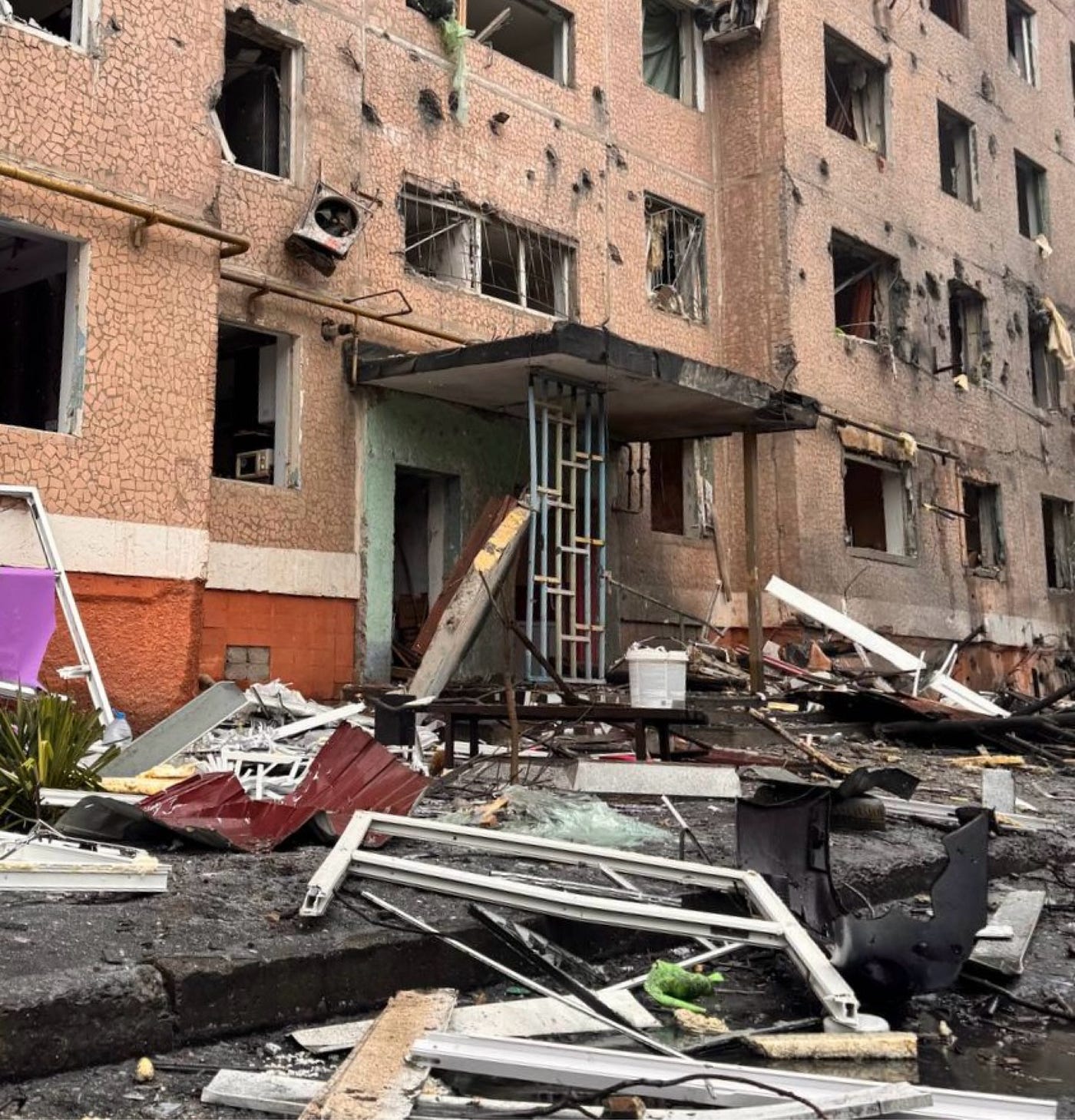
It was precisely in February 10, when exactly eleven years ago the Russians launched 32 missiles against the city center, killing 17 people and wounding 60. The Russian invasion of Ukraine had already been underway for a year, Crimea had already been illegally occupied and then unilaterally annexed by the Russian Federation, and Malaysia Airlines flight MH-17 had already been shot down by a Russian Buk missile, killing all 298 civilians on board – most of them Dutch – yet the European response was the signing of preliminary agreements for the construction of the Nord Stream 2 gas pipeline, marked a few months later to strengthen the EU’s economic ties with Moscow.
It was a huge strategic error, which consolidated Moscow’s structural impunity, legitimizing its systematic use of violence against civilians as a political tool.
Since then, every European concession, every energy compromise disguised as pragmatism, has served as a strategic multiplier of Russian aggression, financing the war, normalizing its methods, and delaying its containment.
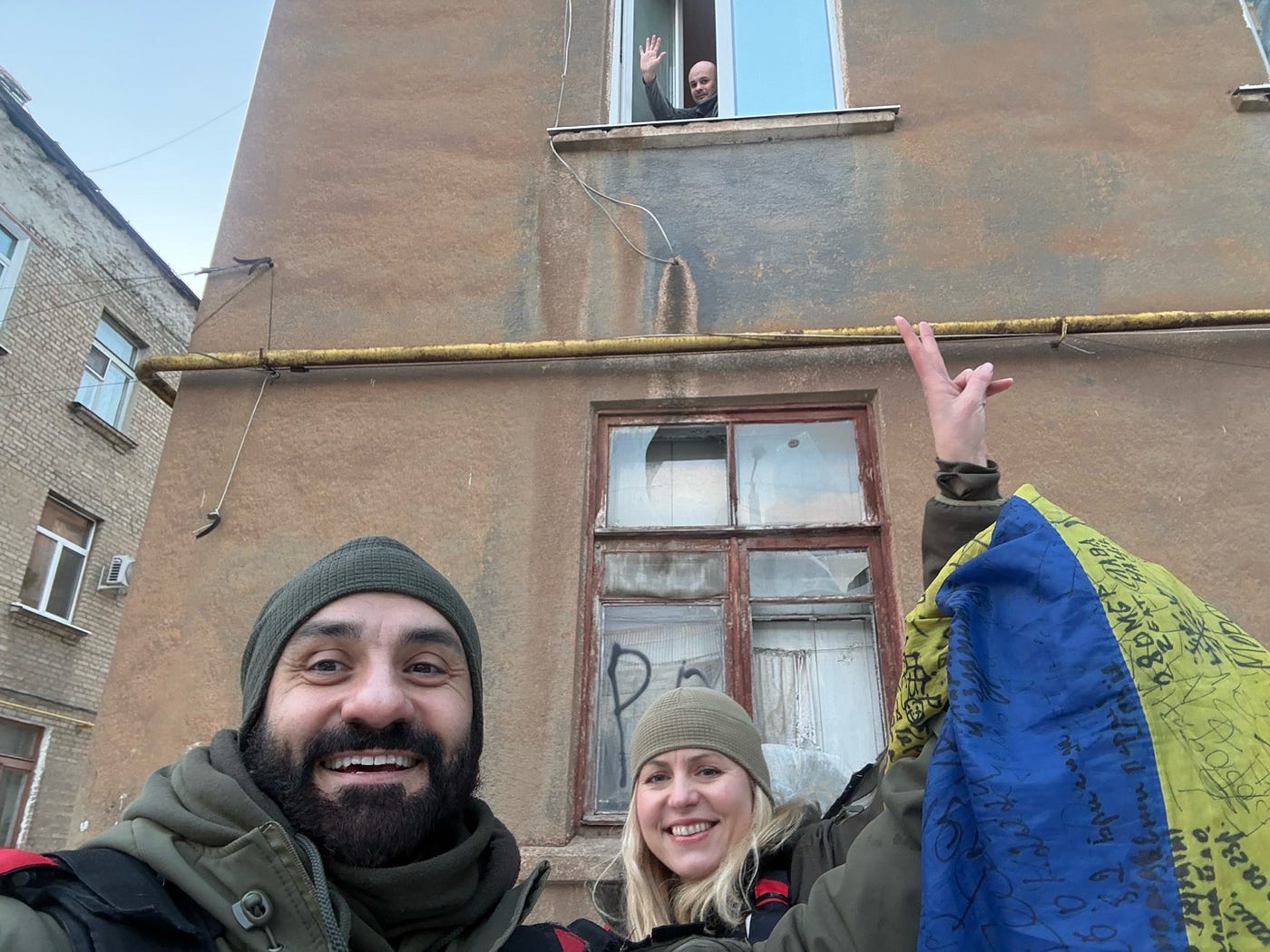
In Kramatorsk today, this dynamic is not a geopolitical abstraction dismissed as a mistake but a concrete sequence of craters, bodies, and gutted homes. The presence of Russian FPV drones makes life impossible, keeping the population in a state of permanent terror. Yesterday, seeing us film a few frames of that destruction, a civilian opened a hole in the wooden boards he had used to replace the glass in his home’s windows, urging us to be careful because no place is safe and no time is neutral. He was at first wearing a down jacket and gloves because since the occupiers destroyed the local heating plant on the evening of January 11th, the management company has been forced to drain the water from the heating networks, leaving homes like this one freezing.
Faced with the first missiles in Kramatorsk, the European Union chose to hope for analysis rather than responsibility. Indignation rather than interests. Today we pay for that fracture, finding ourselves prey to infernal technological means that Moscow did not possess and that it now produces or purchases in quantities far beyond the entire Union’s ability to sustain. The bombs falling on Donbas for 12 years are not just Russian: they are the product of a long chain of Western decisions that have prioritized gas over deterrence, contracts over security, and the illusion of stability over conflict prevention.
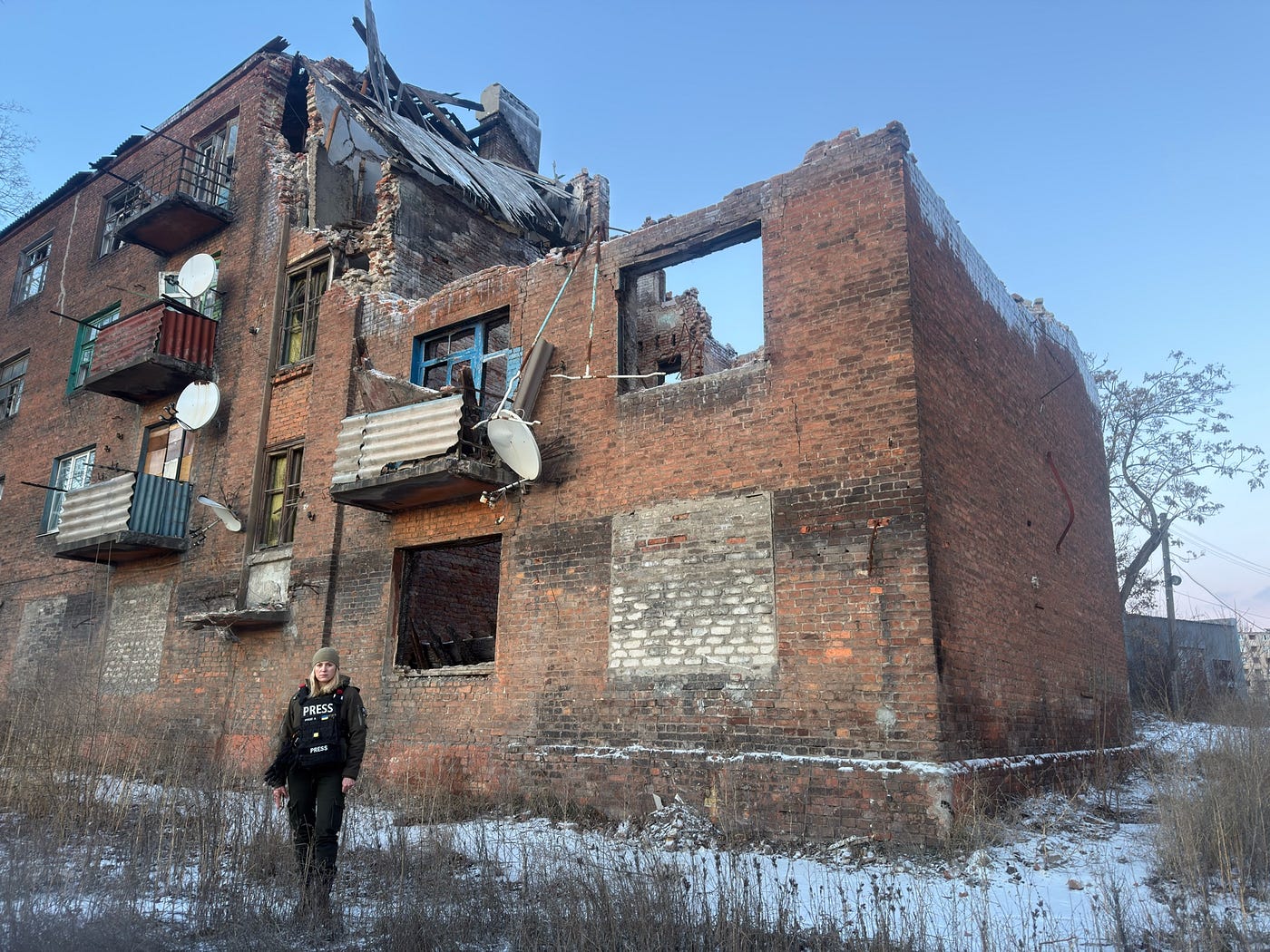
Yesterday evening, the Russians struck Kramatorsk with incendiary aerial bombs, flattening at least three dozen residential buildings and a school. KABs, FABs, and drones continued to explode within an increasingly gray area linking the center of Kramatorsk to the front line. Nearby Druzhkivka, where we spent perhaps the worst night of the entire war, is now in the midst of an evacuation. During the evacuation of a nine-story residential building in that now-former city south of Kramatorsk, a Ukrainian rescuer died while helping an elderly woman into her car: a Russian drone operator deliberately targeted the passenger-side roof with his FPV. The apartments of nearly all the buildings are ablaze. The cars in the courtyards are torn apart. The use of drones as selective artillery now allows the Russians to strike those spaces one by one, making them incompatible with life.
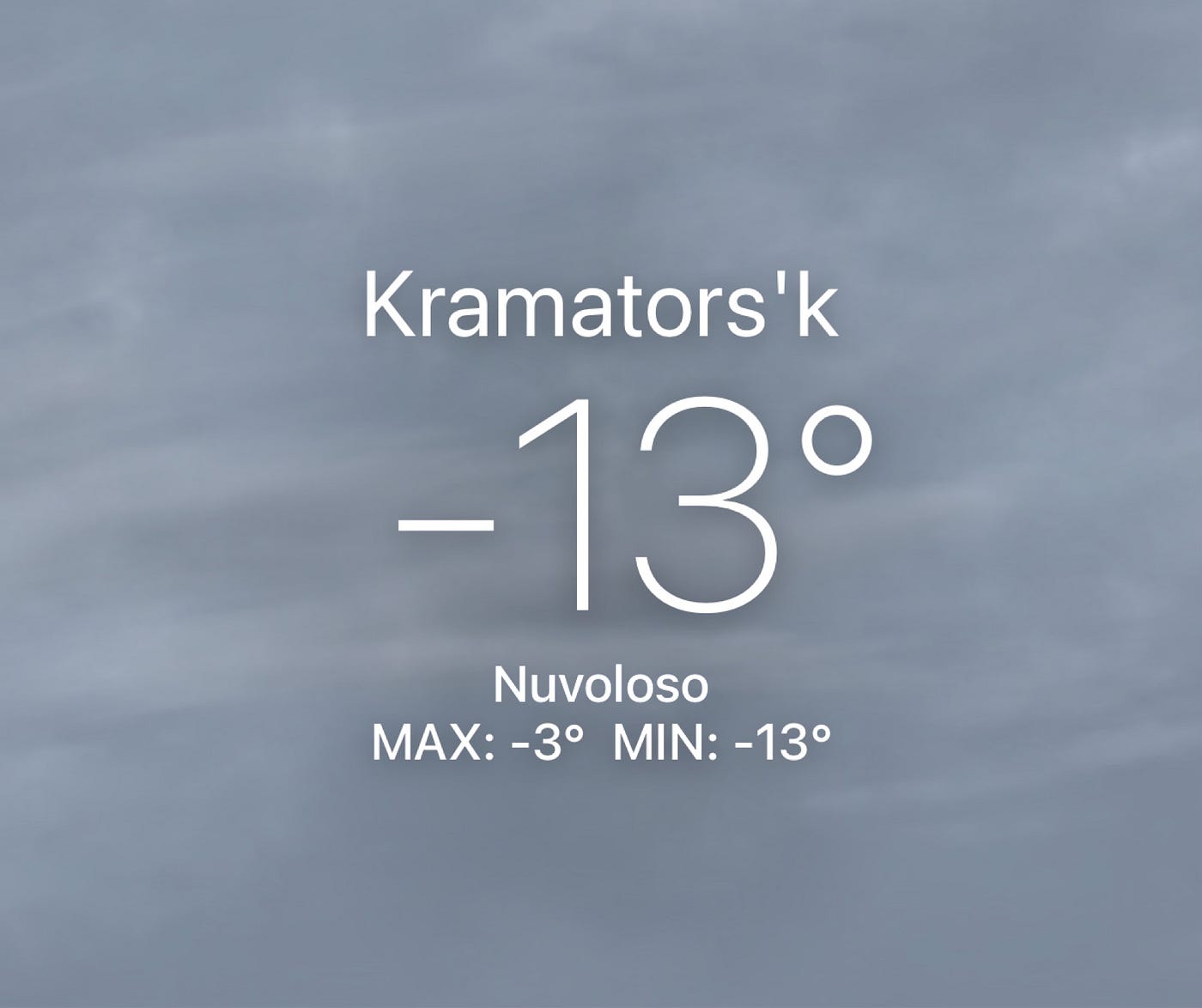
There’s no trace of what we’re writing in the major Italian newspapers because since a Russian drone operator killed two journalists and «Freedom TV» on October 23rd, no one has come to report on life in Kramatorsk. As of this writing, the outside temperature is 13 degrees below zero, with temperatures expected to drop to -25°C. The city has been in darkness for 20 hours straight, and spotting an FPV drone is made even more difficult by the hum of internal combustion generators, some of which were donated by the European Union. Meanwhile, according to data released by the Bruegel analytical center and reported by the international press, January 2026 also set a new all-time high for the EU in Russian gas and LNG purchases: 2.276 billion cubic meters of the latter alone. That’s more than in any previous month and significantly higher than January 2025.
The ongoing blackouts severely damaged our house’s heating system in Western Ukraine while we were in the Donbas.
Without electricity, the pump couldn’t circulate the liquid while the fire was lit. As a result, the system caught fire, and the whole house was at risk of burning. Fortunately, it did not, but the whole system needs to be changed, and the house needs to be restored. Tubes are all bent, walls are blackened by haze, and the heating system doesn’t work, requiring an entirely new system.
We are doing our best since Alla’s parents live there, but there’s still a lot to work on here, too, as the people around us are in no better situation.
We’re renewing our fundraising campaign and thanking everyone who joins us in helping us restore what Russia is destroying. Even a small donation helps. We’ll keep you updated on developments.
Thank you all, friends
克拉马托尔斯克不会忘记
作者:Giorgio Provinciali
翻译:旺财球球
乌克兰前线报道
克拉马托尔斯克,顿涅茨克——周日黎明,俄罗斯空军对市中心发动了猛烈攻击,投下两枚250公斤的KAB制导航炸弹。我们在附近记录到,这次袭击故意针对平民,造成一名77岁妇女死亡,另有四人受伤——包括一名Inter电视台记者——市中心约2.5万平方米范围内共有11栋建筑受损。大约四小时后,约上午9点,一架俄制无人机袭击了沿克拉马托尔斯克通往斯洛维扬斯克主干道行驶的一辆民用汽车。下午约2:30,另一架具备高爆能力的俄制无人机直接袭击了该公路沿线上的一座加油站,导致巨大爆炸。
更普遍地说,克拉马托尔斯克及周边每一分钟都有爆炸发生,人们正在再次经历一场噩梦。
(图:俄罗斯是一个恐怖主义国家)
正是在2月10日,恰好十一年前,俄方向市中心发射了32枚导弹,造成17人死亡、60人受伤。彼时俄罗斯对乌克兰的入侵已持续一年,克里米亚已被俄方非法占领并单方面吞并,马航MH-17客机也已被俄制“布克”导弹击落,机上298名平民全部遇难——大多数为荷兰人——但欧洲的回应却是签署北溪2号天然气管道的前期协议,数月后又推进以加强欧盟与莫斯科的经济联系。
这是一个重大的战略错误,巩固了莫斯科的结构性有恃无恐,使其将针对平民的系统性暴力作为一种政治工具的使用合法化。
从那时起,每一次欧洲的让步、每一次以务实之名的能源妥协,都成了俄罗斯侵略的战略倍增器,为战争提供资金、使其手段常态化并推迟了对其的遏制。
(图:截至我撰写本文当日,克拉马托尔斯克的气温——Apple天气应用)
在克拉马托尔斯克,这一动态并非可被归为“错误”的地缘政治抽象,而是一连串具体的弹坑、尸体与被掏空的房屋。俄方FPV无人机的出现让生活变得无法忍受,使民众长期生活在恐惧之中。昨天,当我们拍摄那片废墟的几帧影像时,一位平民,他在用木板上开了个洞代替窗玻璃,提醒我们小心,因为没有什么地方是安全的,也没有什么时刻是中立的。他起初穿着羽绒服和手套,因为自从占领者在1月11日晚毁坏了当地供热厂后,管理公司被迫把供暖管网的水排空,像他家一样的房子都冷若冰窖。
(图:文中所述的这位男子在克拉马托尔斯克看到我们时,打开了窗,给了我们一些忠告,脱下手套并在我们的旗帜上签名——版权所有,Giorgio Provinciali)
面对克拉马托尔斯克的首次被导弹袭击,欧盟选择了寄希望于分析而非追究责任,选了愤慨而非自身利益。今天我们为那一裂痕付出代价,(欧盟)成为莫斯科所掌握并现已大规模生产或购买的地狱般技术手段的猎物——这些手段早已超出整个欧盟所能承受的规模。十二年来落在顿巴斯的炸弹不仅仅是俄罗斯制造的:它们是西方长期决策链的产物,这些决策把天然气置于威慑之上,把合同置于安全之上,把稳定的幻想置于冲突预防之上。
昨晚,俄方用燃烧弹袭击了克拉马托尔斯克,至少夷平了三十多栋住宅楼和一所学校。KAB、FAB和无人机在连接克拉马托尔斯克市中心与前线的日益扩展的灰色地带内持续爆炸。在附近的德鲁日科夫卡,我们在那儿度过了整个战争中可能是最糟糕的一夜,目前正进行撤离。在那座曾经位于克拉马托尔斯克南部的城市撤离一栋九层居民楼时,一名乌克兰救援人员在将一位老人扶上车时牺牲:一名俄方无人机操作者用其FPV故意瞄准并打中了乘客侧车顶。几乎所有楼宇的公寓都在燃烧,院子里的汽车被炸毁。无人机作为“选择性火炮”的使用让俄方能够逐一攻击这些空间,使之不再适于居住。
我们所发的报道在意大利主流报纸上看不到一丝踪影,因为自从10月23日一名俄方无人机操作者击毙两名记者和“自由电视”(Freedom TV)后,就再无人前来报道克拉马托尔斯克的生活。截至撰稿时,室外温度为零下13度,预计将降至零下25°C。该市已连续20小时处于黑暗之中,而内燃发电机的嗡鸣使得发现FPV无人机更加困难——其中一些发电机由欧盟捐赠。与此同时,根据布鲁格尔(Bruegel)分析中心发布并被国际媒体报道的数据,2026年1月欧盟从俄罗斯购入的天然气及液化天然气创下历史新高:仅液化天然气就达22.76亿立方米。这比以往任何一个月份都多,且显著高于2025年1月。
(图:Alla,我们在克拉马托尔斯克为本文报道时——版权所有)
***
持续的停电严重损坏了我们在乌克兰西部的家中的供暖系统,而我们当时就在顿巴斯。
没有电,点着的炉火无法通过水泵循环热水。结果,系统起火,整个房子面临着烧毁的风险。幸而未被烧毁,但整个系统需要更换,房子也需要修复。管道都是歪的,墙壁被烟雾熏黑,供暖系统无法正常工作,需要彻底更换。
我们正在尽最大努力,因为Alla的父母住在那里,但这里还有许多工作要做,周围的人处境也好不到哪儿去。
我们正在重启筹款活动,感谢每一位支持我们修复被俄罗斯摧毁一切的朋友。即使是小额捐款也有帮助。我们会及时更新进展。
感谢大家,朋友们。
如果你相信我们的工作,请支持我们
在过去的三年里,我们一直在乌克兰战争的各个前线进行报道……
https://www.paypal.com/pools/c/9lP2mIk7Nk