SAMP/T’s Way: Europe’s Ballistic Wake-Up Call Goes Beyond Patriot
By: Giorgio Provinciali
Live from Ukraine
Nizhyn – The American response to the recent Russian attack, conducted with a record number of ballistic missiles against Ukrainian energy infrastructure, now makes a change in strategy for the defense of Ukraine and Europe imperative.
For the reasons I explained yesterday in these pages, Washington does not want – and cannot – send PAC-3 MSE interceptors for Patriot systems in sufficient quantities to allow Kyiv to keep pace with the Russian Federation’s continued production and deployment of ballistic missiles. Further confirming this, the CSIS analytical center noted that Moscow has tripled its production of Iskander missiles, explaining that the partial and belated Western sanctions adopted since 2014 have given the Kremlin the time needed to reorient its military industry toward Beijing. Since then, China’s share of Russian foreign trade has also tripled, with a growing flow of dual-use materials essential to missile production.
Ukraine and the European Union are thus forced to rethink their anti-ballistic missile defenses without American support, while their main threat grows.
The solution exists, and it’s called Samp/T.
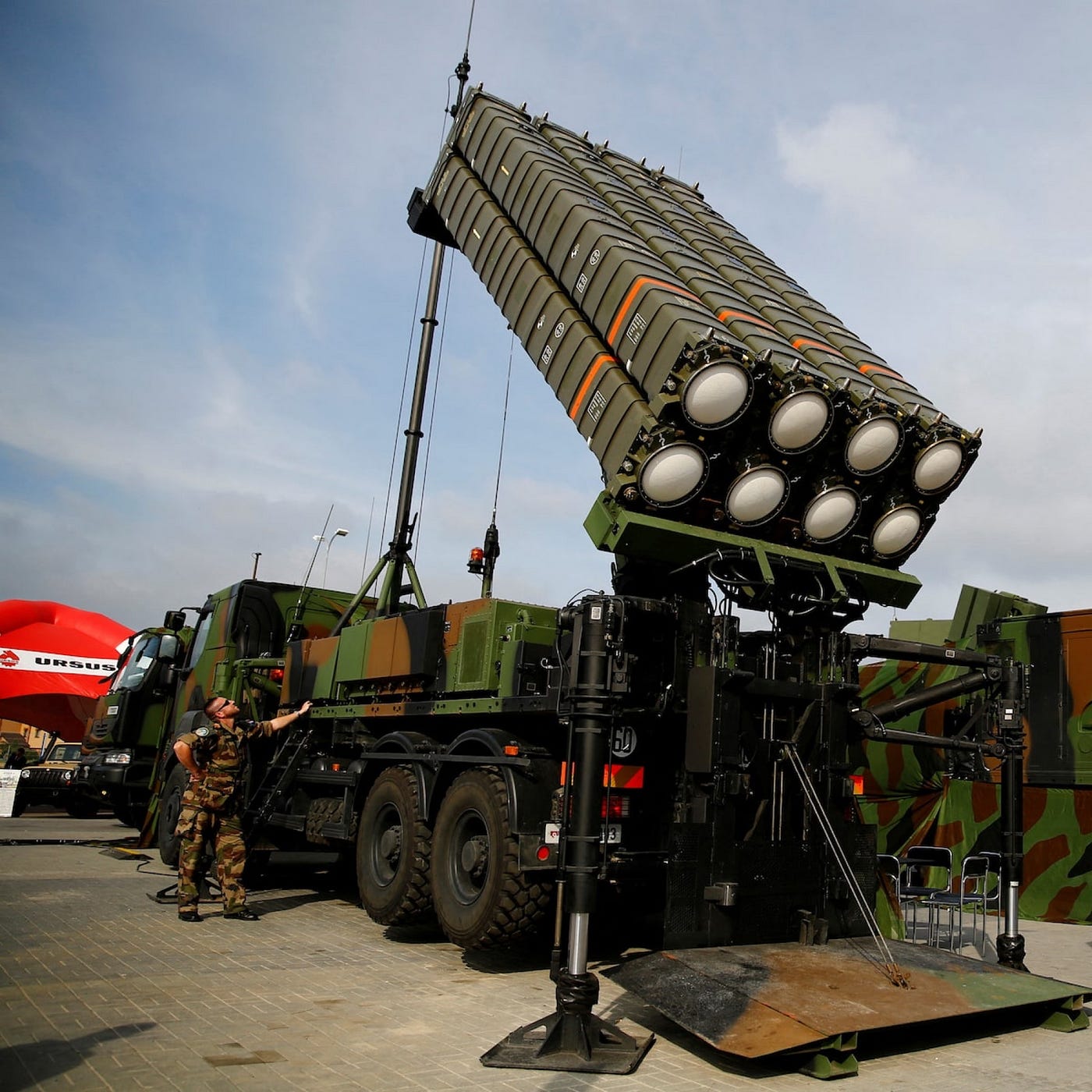
The fragmentary information circulating so far requires some technical clarifications from the Ukrainian context, where the European system is already deployed and used with excellent results in high-intensity warfare scenarios.
In terms of architecture and capabilities, Patriot and Samp/T are equivalent. The modules and some design choices differ, but the essence is the same. The European system has unique characteristics that make it even more effective against threats from variable directions, such as ballistic missiles with imperfect geometries, cruise missiles, drones, and glide bombs.
This is due to the SAMP/T’s native 360° interception setup, which continuously scans the full azimuth, whereas the Patriot’s radar is designedwith predominantly sectoral coverage oriented toward a defined threat axis. In multi-azimuth saturation scenarios or 360° attacks, it therefore requires much more restrictive positioning and orientation, or the use of complex multi-sensor architectures. This is far from a minor detail, as modern warfare penalizes overly directional systems and rewards those designed for geometric uncertainty.
Otherwise, both share the same conceptual architecture based on multifunctional phased-array radar, command and control (C2) chain, launchers, and hit-to-kill interception. In the Ukrainian theater of war, this equivalence translates into comparable operational effectiveness.
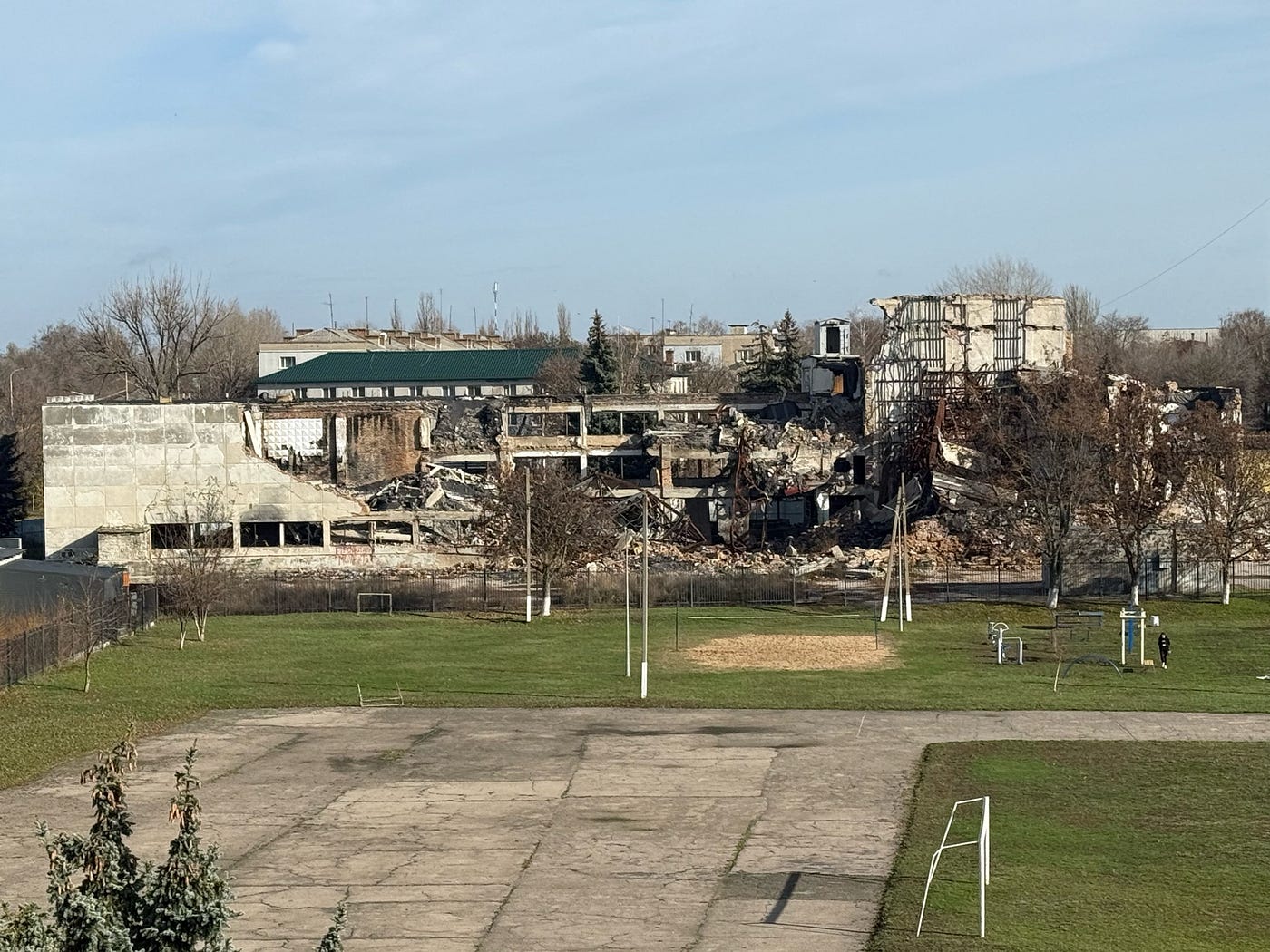
The contribution of Ukrainian engineers was crucial, as they rewrote large portions of the software in just a few weeks, adapting target discrimination, trajectory prediction, and engagement window parameters, thereby making the ability – for years only theoretical – to defeat threats improperly labeled ‘hypersonic’ a reality.
So much so that, after the work on the Patriots, Raytheon acknowledged the leap in capability and proposed sending Ukraine additional components to integrate these modifications. However, Moscow has also adapted its ballistic threats, making them truly difficult to neutralize, not so much because of the speed that almost all ballistic missiles reach, but rather because of their evasive terminal maneuvers, flight profiles, engagement geometries, radar cross-section, infrared signature, and resilience to electronic warfare countermeasures.
The updated engagement logic, developed in the field by Ukrainian engineers, has enabled discrimination among these factors, improving resource allocation and interception window management. It’s no coincidence that Defense Express reports that the new Aster B1NTs also incorporate software optimizations specifically for ballistic threats. Similarly, RTX and Lockheed have publicly confirmed the evolution of the Patriot systems, thanks to the contribution of Ukrainian engineers. Therefore, Patriot and SAMP/T are now equivalent in terms of class of effect, and both are complete IAMD systems: the key variables are software adaptation, management, and integration for new Russian ballistic threats (which doesn’t depend solely on target speed).
In its latest NG iteration, the SAMP/T represents the only European alternative to the Patriot, which is currently in an advanced stage of development. A few days ago, French President Emmanuel Macron confirmed that Ukraine will receive the first Samp/T NG in 2026 and that a total of 10 will be delivered over the next few years. The French variant integrates a modernized engagement module – which reduces decision-making latency and improves resource scheduling – and the new Ground Fire AESA radar, capable of 360° coverage up to 400 km. Crucial features in an environment where the sensor network is constantly stressed or degraded by electronic warfare.
The reality on the ground is very different from what the brochures show. Under favorable conditions, deploying a Patriot takes an average of 60 to 90 minutes: the radar must be oriented, precisely leveled, and synchronized with the ECS (Engagement Control Station) and launchers. If the terrain is uneven or the threat axis is unclear, the time can easily increase to 90 – 120 minutes. By contrast, a SAMP/T becomes operational in 30 – 45 minutesthanks to its panoramic coverage, fewer geometric constraints, and faster entry into the C2 chain. Repositioning follows the same logic: the Patriot requires a complete recalibration, while the SAMP/T allows a much quicker return to readiness.
Given the significantly lower cost of the Aster B1NT interceptors ($2.5 – 3.5 million each) compared with the PAC-3 MSE ($5 million, which doubles when exported) and the understandable American reluctance to supply the latter, it is clear that achieving European strategic autonomy requires the only option consistent with the interests of the EU-28: rapidly incorporating Ukraine into the SAMP/T-Aster supply chain.

The ongoing blackouts severely damaged our house’s heating system in Western Ukraine while we were in the Donbas.
Without electricity, the pump couldn’t circulate the liquid while the fire was lit. As a result, the system caught fire, and the whole house was at risk of burning. Fortunately, it did not, but the whole system needs to be changed, and the house needs to be restored. Tubes are all bent, walls are blackened by haze, and the heating system doesn’t work, requiring an entirely new system.
We are doing our best since Alla’s parents live there, but there’s still a lot to work on here, too, as the people around us are in no better situation.
We’re renewing our fundraising campaign and thanking everyone who joins us in helping us restore what Russia is destroying. Even a small donation helps. We’ll keep you updated on developments.
Thank you all, friends
SAMP/T之路:欧洲的弹道警醒超越“爱国者”
作者:Giorgio Provinciali
翻译:旺财球球
乌克兰前线报道
尼日因 — 针对乌克兰能源基础设施发动的、创纪录数量弹道导弹的俄方近期攻击所致的美国反应,使得调整为保卫乌克兰与欧洲的防御战略变得势在必行。
正如我昨日在本栏所述,华盛顿既不愿意——也无法——向爱国者系统提供足够数量的PAC-3 MSE拦截弹,以使基辅能够跟上俄联邦持续的弹道导弹生产与部署速度。证实这一点的还有美国战略与国际研究中心(CSIS)的分析,该机构指出莫斯科已将伊斯坎德尔导弹产量提高了三倍,并解释称自2014年以来西方采取的零散且滞后的制裁,给了克里姆林宫将其军工业转向北京所需的时间。从那时起,中国在俄罗斯对外贸易中的占比也翻了三番,向俄输送的对导弹生产至关重要的军民两用物资不断增加。
因此,在主要威胁不断增长的情况下,乌克兰与欧盟被迫重新构想在没有美国支持的情况下其反弹道导弹防御。
解决方案就是SAMP/T。
(图:2014年9月2日,士兵们在波兰南部基尔切的国际军事博览会上展示了泰勒斯的反导弹系统SAMP/T。照片拍摄于2014年9月2日。路透/卡茨佩尔·佩姆佩尔/档案照)
迄今流传的零散信息需要结合乌克兰战场的情况作出技术澄清:欧洲系统已在当地部署并在高强度战斗情景中取得优异效果。
从架构与能力上看,爱国者与SAMP/T是等效的。模块与若干设计选择有所不同,但本质相同。欧洲系统具备独特特性,使其在应对来自多变方向的威胁(如几何形状不规则的弹道导弹、巡航导弹、无人机与滑翔炸弹)时更为有效。
这归功于SAMP/T固有的360°拦截设置,能持续扫描全方位方位角,而爱国者的雷达设计主要为扇区覆盖,面向既定威胁轴。在多方位饱和来袭或360°攻击场景下,爱国者因此需要更受限的位置与指向,或依赖复杂的多传感器架构。这绝非小细节,现代战争惩罚过于定向的系统,并偏好为几何不确定性而设计的系统。
否则,两者在概念架构上相同,均基于多功能相控阵雷达、指挥与控制(C2)链、发射架和以击中致毁的拦截。在乌克兰战区,这种等效性转化为可比的作战效能。
(图:我在乌克兰帕夫洛格勒拍摄的一张照片,显示俄方弹道导弹对乌克兰民用基础设施造成的破坏 ——版权所有,Giorgio Provinciali)
乌克兰工程师的贡献至关重要:他们在数周内重写了大部分软件,调整目标判识、弹道预测与作战窗口参数,从而将多年来仅停留在理论上的、击败被误标为“高超音速”的威胁的能力变为现实。
以至于在对爱国者进行这些改进后,雷神公司承认了能力飞跃,并提议向乌克兰提供额外组件以整合这些修改。然而,莫斯科也在调整其弹道威胁,使之真正难以被拦截,这并非主要因为几乎所有弹道导弹所达到的高速,而更多在于其末段规避机动、飞行剖面、交战几何、雷达散射截面、红外特征以及对电子战对抗措施的抗性。
由乌克兰工程师在实战中开发的更新交战逻辑,能够区分这些因素,改善资源分配与拦截窗口管理。Defense Express报道称新型Aster B1NT也纳入了专门针对弹道威胁的软件优化,这并非偶巧合。同样,RTX与洛克希德也公开确认了爱国者系统的演进,这要归功于乌克兰工程师的贡献。所以,就效能等级而言,爱国者与SAMP/T现已相当,且两者都是完整的综合防空与导弹防御(IAMD)系统:关键变量在于针对新型俄弹道威胁的软件适配、管理与整合(这并不单纯取决于目标速度)。
在其最新的NG迭代中,SAMP/T代表了目前对爱国者唯一的欧洲替代方案,且该项目正处于研发的后期阶段。数日前,法国总统埃马纽埃尔·马克龙确认,乌克兰将在2026年收到首套Samp/T NG,并将在未来几年内交付共计10套。法式变体整合了现代化交战模块,可降低决策时延并改善资源调度,以及新的地面火控AESA雷达,能够实现360°覆盖并达400公里探测范围。在传感器网络不断受电子战压制或削弱的环境中,这些特性至关重要。
现实情况与宣传册大不相同。在有利条件下,部署一套爱国者通常需60至90分钟:雷达必须定向、精确校平,并与交战控制站(ECS)和发射器同步。如果地形不平或威胁轴不明确,时间很容易延长至90–120分钟。相比之下,SAMP/T凭借全景覆盖、更少的几何约束和更快接入C2链,30–45分钟即可投入运行。重新部署亦遵循同样逻辑:爱国者需完整重新校准,而SAMP/T则能更快恢复战备。
鉴于Aster B1NT拦截弹单价显著更低(每枚2.5–3.5百万美元),而PAC-3 MSE为500万美元且出口时价格翻倍,加之美国对提供后者的可理解的犹豫不决,显而易见,实现欧洲战略自主的唯一符合欧盟28国利益的选项,是迅速将乌克兰纳入SAMP/T–Aster供应链。
(图:我在乌克兰尼日因为本文报道——版权所有,Giorgio Provinciali)
***
持续的停电严重损坏了我们在乌克兰西部的家中的供暖系统,而我们当时就在顿巴斯。
没有电,点着的炉火无法通过水泵循环热水。结果,系统起火,整个房子面临着烧毁的风险。幸而未被烧毁,但整个系统需要更换,房子也需要修复。管道都是歪的,墙壁被烟雾熏黑,供暖系统无法正常工作,需要彻底更换。
我们正在尽最大努力,因为Alla的父母住在那里,但这里还有许多工作要做,周围的人处境也好不到哪儿去。
我们正在重启筹款活动,感谢每一位支持我们修复被俄罗斯摧毁一切的朋友。即使是小额捐款也有帮助。我们会及时更新进展。
感谢大家,朋友们。
如果你相信我们的工作,请支持我们
在过去的三年里,我们一直在乌克兰战争的各个前线进行报道……
https://www.paypal.com/pools/c/9lP2mIk7Nk