Bombing the Grid, Forging the People: Kyiv’s Underground Spirit
By: Giorgio Provinciali
Live from Ukraine
Kyiv – If Vladimir Putin’s intent was to break the Ukrainian people’s resilience by disrupting light, heat, and daily life, the effect has been the opposite: he has transformed fear into social glue.
The Russian strategy echoes an ancient doctrine: targeting civilians to break political will. But this coercive logic ignores a well-known historical fact: under existential threat, cohesive communities respond by increasing solidarity. In Kyiv, blackouts and sirens don’t isolate: they unite. Dancing, singing, and filling public spaces isn’t evasion but an act of emotional control. It’s the community that decides how to experience fear, removing it from the aggressor. The historical analogy isn’t rhetorical. During the Nazi «Blitz» bombings (September 1940 – May 1941), Londoners transformed the subway into a refuge and a public square: music, social interaction, and normalcy rebuilt life underground. It wasn’t folklore; it was operational resilience. Kyiv is doing the same today: the city rejects the passive-victim narrative. Are Russian raids aimed at shattering routine and trust? The answer is to recreate routine and trust where the enemy cannot reach.
So, people gather in parks and on frozen lakes to dance and sing: children and adults hurtle down the icy slopes of the hydropark on Rusanivska on sleds. Entire families gather around makeshift pyres and sing patriotic, folk, and military songs, the national anthem, and other songs celebrating freedom and resistance. They share hot food with those who have had no electricity or heat at home for days. Some provide generators; others bring their own DJ sets and improvise outdoor DJ sets in temperatures over -20 degrees Celsius.

The Kyiv metro’s underground has become a meeting point not only during bombings but also for cultural projects, artistic activities, and school activities. This reaction has concrete effects because it reduces the psychological impact of attacks and lowers the coercive military efficiency of those attacks. A cohesive society strengthens the political legitimacy of those who govern it, rather than weakening it. Resilience becomes a strategic multiplier, even in reinforcing the external message, because a people singing in the dark communicates determination more than a thousand comqmuniqués.
Attacking energy should have produced resignation. It has produced identity. Every rally becomes an informational victory: it demonstrates that terror does not govern behavior. It is the classic paradox of terror: indiscriminate violence accelerates the target’s civil maturation.

The historical parallel with London is anything but rhetorical. The Luftwaffe bombed the English capital for 57 consecutive nights, deliberately targeting civilian neighborhoods, ports, power plants, railways, and urban infrastructure. The German objective then was identical to the Russian one today: to break the population’s morale and force a political surrender. The London Underground quickly became a mass refuge. But what struck observers and historians was how it was used: entire families slept on the tracks, impromptu concerts, choral singing, and performances were organized, newspapers were read, and stories were told to children. All this is happening today in Kyiv, after 1,441 consecutive days of bombing.

At the time, the British government feared mass hysteria, looting, and moral collapse. The opposite occurred. According to Mass-Observation studies, panic was rare and localized, solidarity increased, and the sense of national belonging strengthened. The bombing of London did not disintegrate society: it made it more horizontal and cooperative. Winston Churchill immediately understood the political value of this resilience. In his speeches, he never celebrated individual heroism but rather collective normality under fire. In his daily messages to the nation, Volodymyr Zelensky appeals to the same sense of unity. In the darkest hours, he addressed words of affection and trust to a civil society to which he repeatedly expressed his sense of belonging.

The famous idea of «Blitz spirit» was not empty propaganda but the realization that the population had wrested the psychological initiative from the enemy. The shop windows in London reading «Bombed but not defeated» have a contemporary parallel in the reports we filmed, which read «МОЖНА ЗРУЙНУВАТИСТ?НИ, АЛЕ НЕ СМАК ДО ЖИТТЯ» «You can destroy walls, but not the zest for life». Historians today are unanimous (Calder, Overy, Grayling, to name a few) on one point: the bombing of civilians only works against already fragmented societies.
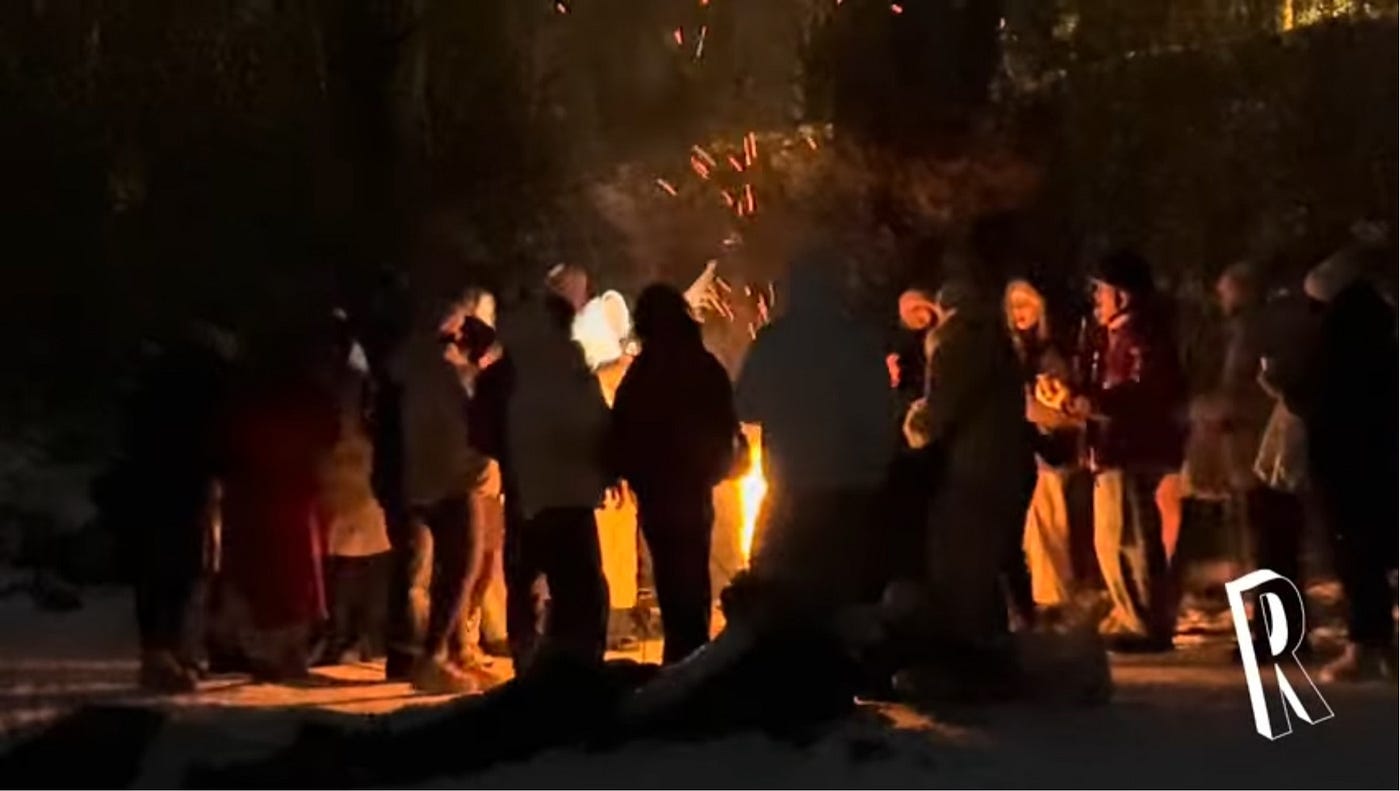
London in 1940 and Kyiv today share three decisive factors: the perception of an existential war, horizontal trust between civilians, and common spaces transformed into places of emotional resistance.
Historian Richard Titmuss documented how London public spaces like those mentioned became centers of social cohesion, not places of panic. Socialization reduced trauma, rather than amplifying it. London didn’t collapse then, and Kyiv doesn’t collapse today. Reuniting during blackouts and alarms, Kyiv civilians reproduce the same mechanism observed in London: they reduce individual fear, increase collective resilience, and decree the failure of Russian strategic coercion. Putin, like Hitler then, struck the infrastructure but strengthened society.
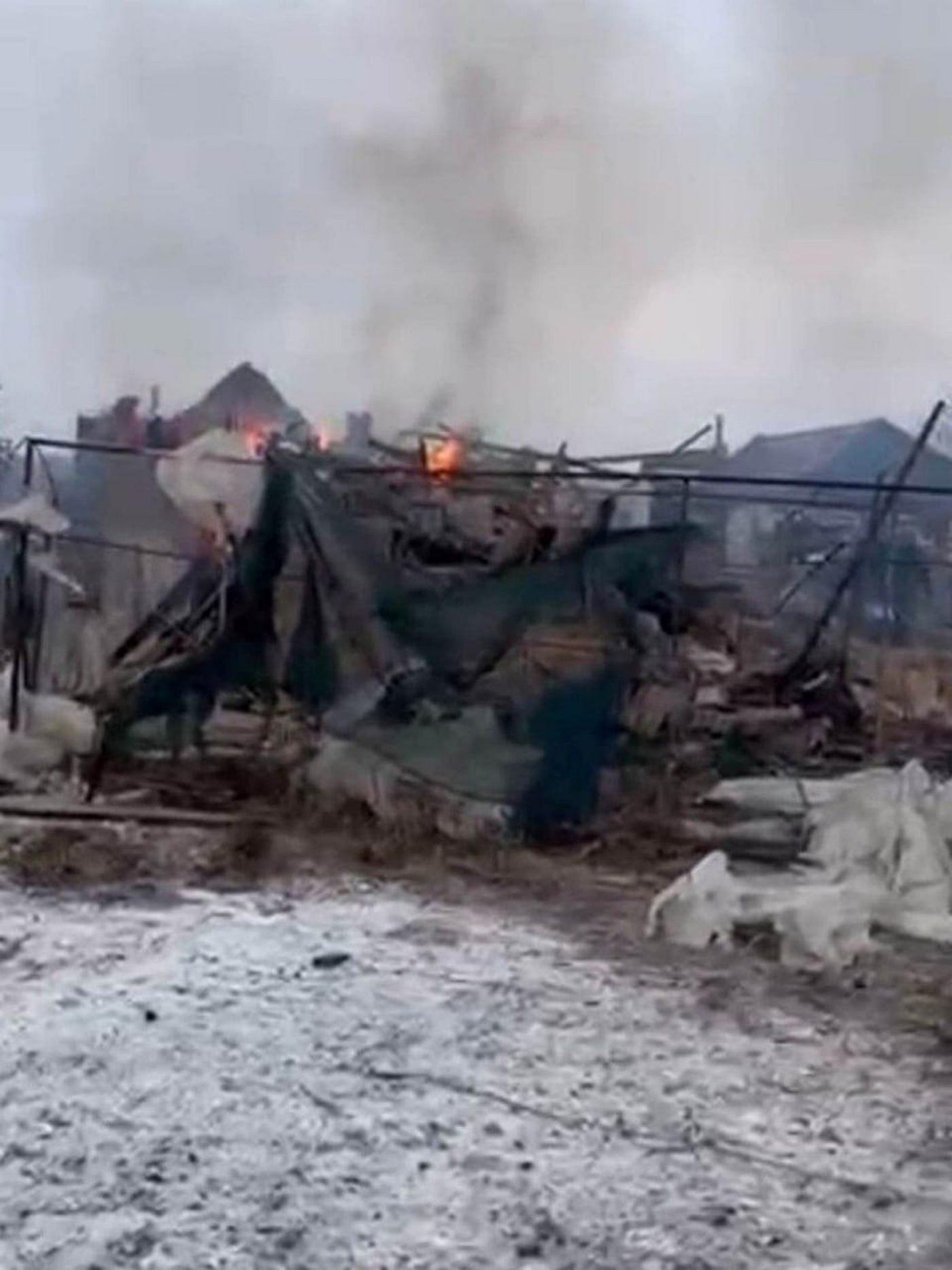
In January, the Russians launched over 6,000 drones, approximately 5,500 glide bombs, and 158 other missiles of various types against Ukraine. The latter hit a maternity hospital in Zaporizhzhia yesterday, injuring doctors, pregnant women, and newborns; others have overwhelmed 14 apartment buildings in Sloviansk, killed 16 miners returning from work on a bus in Pavlohrad, and set fire to several communities in Sumy, also overwhelming rescuers rushing to save civilians. This is the result of the reorientation of the strikes as part of a farce agreed upon between Moscow and Washington, which the current US administration is touting as a success of its (alleged) diplomacy.
Like London, today Kyiv is responding to the brutality with a simple and powerful gesture: standing together. This is how a strategy of fear turns into its opposite. It doesn’t break resilience, but makes it visible.

The continuous blackouts severely damaged the heating system of our house in Western Ukraine while we were in Donbas.
Without electricity, the pump couldn’t circulate the liquid while the fire was lit. As a result, the system caught fire, and the whole house was at risk of burning. Fortunately, it did not, but the whole system needs to be changed, and the house needs to be restored. Tubes are all bent, walls are blackened by haze, and the heating system doesn’t work, requiring an entirely new system.
We are doing our best since Alla’s parents live there, but there’s still a lot to work on here, too, as the people around us are in no better situation.
We’re renewing our fundraising campaign and thanking everyone who joins to help us restore what Russia is destroying. Even a small donation helps. We’ll keep you updated on developments.
Thank you all, friends
轰炸电网,锻造民心:基辅的地下精神
作者:Giorgio Provinciali
翻译:旺财球球
乌克兰前线报道
基辅——如果弗拉基米尔·普京的意图是通过切断照明、供暖和日常生活来摧毁乌克兰人民的韧性,结果却正好相反:他把恐惧变成了社会黏合剂。
俄方的战略呼应一种古老学说:以平民为目标以瓦解政治意志。但这种胁迫逻辑忽视了一个历史常识:在生存受到威胁时,凝聚的社区会以增强团结来应对。在基辅,停电与警报并不造成孤立,反而把人们团结在一起。跳舞、唱歌、充满公共空间并非逃避,而是一种情绪掌控的行为。由社区决定如何面对恐惧,把恐惧从侵略者手中夺走。这个历史类比并非空洞的修辞。在纳粹“闪电战”时期的轰炸(1940年9月–1941年5月),伦敦人把地铁改造成避难所和公共广场:音乐、社交互动与日常秩序在地下重建了生活。这不是民俗,而是实用的韧性。今天的基辅也是如此:这座城市拒绝被动受害者的叙事。俄罗斯的突袭旨在打碎日常与信任?答案是——在敌人到达不了之处重建日常与信任。
于是,人们在公园和结冰的湖面上聚集跳舞唱歌:孩子和成年人手推雪橇从鲁萨尼夫斯卡水上公园的冰坡上飞速滑下。全家人围着临时堆起的篝火齐唱爱国歌谣、民谣和军歌,国歌以及其他歌颂自由与抵抗的歌曲。他们把热食分给那些家中几天没有电或暖气的人。有的人提供发电机;有的人自带DJ设备,在超过零下20度以下的环境中临时架起露天DJ台。
(图:本文撰写前不久在乌克兰基辅拍摄的照片 ——版权所有,Giorgio Provinciali)
基辅地铁的地下空间不仅在轰炸期间成为避难所,也成为文化项目、艺术活动和学校活动的汇集点。这种反应有着切实效应:它减轻了袭击的心理冲击,降低了这些袭击的胁迫性军事效率。一个有凝聚力的社会会增强执政者的政治合法性,而非削弱它。韧性成为一种战略增强器,甚至强化对外信息,因为在黑暗中高唱的人民比一千份公报更能传达决心。
攻击能源本应带来屈服,结果却塑造了集体认同。每一次集会都是一场信息战的胜利:它表明恐怖无法主宰人们的行为。这正是恐怖的经典悖论:无差别的暴力反而加速了目标社会的公民成熟。
(图:本文撰写前不久在乌克兰基辅拍摄的照片 ——版权所有,Giorgio Provinciali)
与伦敦的历史类比绝非空洞的修辞。纳粹空军曾连续57个夜晚轰炸英国首都,蓄意瞄准平民区、港口、电厂、铁路和城市基础设施。当时德国的目标与今日俄罗斯如出一辙:摧毁民心、迫使政治投降。伦敦地铁迅速成为大众避难所。但让观察者和历史学家震惊的是人们的使用方式:整家人睡在轨道旁,即兴音乐会、合唱和演出被组织起来,人们读报纸,给孩子讲故事。在经历了连续1441天的轰炸后,这一切今天同样在基辅上演。
(图:本文撰写前不久在乌克兰基辅拍摄的照片——版权所有,Giorgio Provinciali)
当时,英国政府担心会出现大规模歇斯底里、掠夺和道德沦丧。但结果恰恰相反。根据大众观察的研究,恐慌罕见且局限,团结感增加,民族归属感加强。对伦敦的轰炸没有使社会瓦解,反而让社会更加平等与合作。温斯顿·丘吉尔立即意识到这种韧性的政治价值。在他的演讲中,他从不颂扬个人英雄主义,而是强调炮火下的集体常态。在每日对全国的讲话中,弗拉基米尔··泽连斯基也呼唤同样的团结感。在最黑暗的时刻,他向公民社会表达关切与信任,并反复强调他的归属感。
(图:本文撰写前不久在乌克兰基辅拍摄的照片——版权所有,Giorgio Provinciali)
著名的“闪电精神”并非空洞的宣传,而是民众从敌人手中夺回了心理主动权的体现。伦敦橱窗上写着“被炸毁但未被打败”的标语,与我们拍到的报道中那句当代对应语相呼应:“你可以摧毁墙壁,却摧毁不了对生活的热爱”。当代历史学家在这一点上意见几乎一致(如卡尔德、奥弗里、格雷林等人):对平民的轰炸只有在目标社会已支离破碎时才有效。
(图:本文撰写前不久在乌克兰基辅拍摄的照片——版权所有,Giorgio Provinciali)
1940年的伦敦与今日的基辅共有三大决定性因素:存在性战争的认知、平民之间的横向信任,以及被改造成情感抵抗场所的公共空间。
历史学家理查德·提特穆斯记录了如上所述的伦敦公共空间如何成为社会凝聚的中心,而非恐慌之地。社交化减轻了创伤,而非放大它。伦敦当时没有崩溃,基辅今天也没有崩溃。在停电与警报中重聚的基辅民众重演了在伦敦所观察到的同一机制:他们降低了个体的恐惧、增强了集体韧性,并宣告了俄罗斯战略胁迫的失败。普京如同当年的希特勒,袭击了基础设施,却反而强化了社会。
(图:本文撰写前不久在乌克兰基辅拍摄的照片——版权所有,Giorgio Provinciali)
一月,俄军向乌克兰发射了6000多架无人机、约5500枚滑翔炸弹以及158枚其他类型的导弹。其中一枚昨天击中了扎波罗热的一家产科医院,致使医生、孕妇和新生儿受伤;其他导弹重创了斯洛维扬斯克的14栋居民楼,炸死在巴甫洛赫拉德返工大巴上的16名矿工,并点燃了苏梅州的若干社区,也使赶来救援平民的人员不堪重负。这是一次打击重心转向的后果,而这种转向正是莫斯科与华盛顿达成的一出闹剧的一部分——现任美国政府正将其吹嘘为其(所谓)外交的成功。
如同当年的伦敦,今日的基辅以一个简单而有力的姿态回应残暴:团结在一起。恐惧策略由此转为其对立面。它没有摧毁韧性,反而使其显现。
(图:本文撰写前不久我在乌克兰基辅——版权所有,Giorgio Provinciali)
***
持续的停电严重损坏了我们在乌克兰西部的家中的供暖系统,而我们当时就在顿巴斯。
没有电,点着的炉火无法通过水泵循环热水。结果,系统起火,整个房子面临着烧毁的风险。幸而未被烧毁,但整个系统需要更换,房子也需要修复。管道都是歪的,墙壁被烟雾熏黑,供暖系统无法正常工作,需要彻底更换。
我们正在尽最大努力,因为Alla的父母住在那里,但这里还有许多工作要做,周围的人处境也好不到哪儿去。
我们正在重启筹款活动,感谢每一位支持我们修复被俄罗斯摧毁一切的朋友。即使是小额捐款也有帮助。我们会及时更新进展。
感谢大家,朋友们。
如果你相信我们的工作,请支持我们
在过去的三年里,我们一直在乌克兰战争的各个前线进行报道……
https://www.paypal.com/pools/c/9lP2mIk7Nk