
A Misstep In Davos Highlights The Need For A Paradigm Shift
原文链接:https://medium.com/@giorgioprovinciali/a-misstep-in-davos-highlights-the-need-for-a-paradigm-shift-30705cb625c0?sk=a7cba04138e79f5183651ce5a5b644e6
A Misstep In Davos Highlights The Need For A Paradigm Shift
By: Giorgio Provinciali
Live from Ukraine
Dmytrivka, Donetsk – The so-called Abu Dhabi ‘negotiations’ have turned out to be the farce the world wanted to see, because the Russians will continue the war they unleashed. The Davos meeting, however, revealed a no less disturbing picture, as many European countries will continue to finance it, and the United States will dictate the price, timeframe, and rules of its hegemony over European and Kyiv’s defense.
Many have called President Volodymyr Zelensky’s intervention «ungenerous»because – in the words of Italian Foreign Minister Antonio Tajani – «Europe has done everything to support Ukraine’s independence politically, financially, and militarily».
This is partly true: without the economic support of the European Union – let’s call it by its name – Ukraine would be a failed state, perhaps already disappeared from the map. However, it is equally true that while Brussels was keeping Kyiv afloat with one hand, it was also financing Russian terrorism through record purchases – year after year, from 2022 to today – of Russian hydrocarbons: €200 – 230 billion paid to Moscow, compared to €140 – 160 billion allocated to Kyiv for its defense.
Likewise, it should also be remembered that both European and overseas partners have consistently denied Ukraine the weapons that could truly have allowed it to defend and reaffirm its territorial integrity.
In the decisive phase of the victorious counteroffensive of 2022, tanks were denied precisely when they would have enabled the reconquest of much of the remaining territories illegally occupied by the Russian Federation, allowing the occupiers to entrench themselves there and establish the impenetrable «Surovikin Lines.» Long-range weapons were denied, while the production and purchase of Russian weapons was financed – directly or indirectly. Often obsolete weapons were delivered, subject to inane operational caveats, and restrictions were imposed that were incompatible with the noble declarations of intent that are still being reiterated.
However, Zelensky himself is not free of errors. His presence in Davos, by the way he engaged there, was inappropriate. Davos is a place of finance, economic elites, and reassuring, nonbinding narratives. At this stage, Ukraine needed decision-makers, not listeners. The fact that it had decided not to attend until the day before, and that the change of direction occurred after Donald Trump’s whistle, reinforces the impression of hierarchical asymmetry. Not initiative, but reaction. Trump called, and he responded. By reiterating from the same pulpit the White House leader’s invectives against Ukraine’s only allies.
Davos traditionally symbolizes cohesion and stability, encouraging investors and partners. Trump came with the opposite intention, and to please him, Zelensky repeated that same mistake. The leader of the Ukrainian Resistance continues to focus on «framework agreements» with the US, which aren’t wrong in an absolute sense, but become so if they’re sold as solutions.
In Istanbul, in 2022, they served to buy time while Ukraine reorganized militarily and the West had not yet shown its true colors. Today, the context is radically different: the West says it’s ‘tired’ of a war it never fought, the US is in a phase of rentrenchment, displaying postures increasingly similar to the Kremlin’s rhetoric, and Moscow no longer needs to feign openness, as it made clear in Abu Dhabi.
If reintroduced without an underlying strategy of force, «framework agreements» become a suspension of reality. A narrative useful to Washington and dangerous for Kyiv. Precisely what Zelensky accuses the EU of.
Such «agreements» work only if they are explicitly tactical, temporary, and accompanied by a controlled de-escalation strategy. Otherwise, they become the preamble to a delayed surrender.
The most difficult political issue raised by Zelensky concerns Europe’s renunciation of its role as a strategic player. It’s a shame that he himself accepted and supported restrictive initiatives like the PURL, which leaveWashington with the power to decide on prices and timelines, even delegating the narrative of peace.
If this is a European mistake, Zelensky has accepted it, normalized it, and even partially legitimized it by continuing to treat Europe as an audience rather than an actor.
Ukraine today lacks the independent leverage that Europe lacks. In this context, Zelensky risks becoming the face of a strategy that isn’t his own while awaiting real European alternatives. If the greatest achievement of that improvisation was translating the Russian-written ‘peace plan’ into prose and then sending it back to the sender as ‘Western’, we are far from the turning point Zelensky hopes for.

Ukraine had a legal, historical, and political basis for bringing the issue of restoring a minimum nuclear deterrent back to the table after the spectacular failure of the Budapest Memorandum.
The discussion wasn’t about uncontrolled proliferation, nor a violation of international law, but rather the reacquisition of deterrence capabilities in the face of formally violated security guarantees, armed aggression, and the total failure of guarantors to comply. Although this remains the predominant issue in the internal debate, Zelensky has raised it but never transformed it into a real negotiating tool: no ultimatum, no credible roadmap, no structured pressure on allies. He chose not to use the only card that forces everyone to truly sit down at the table, despite Ukraine having the expertise, materials, space, and time to do so. Not playing it meant leaving the strategic initiative to Washington and Moscow, renouncing the only tool capable of breaking the current hypocritical balance. This is likely also the result of the same pressures to which Zelensky accuses – on a broader scale – the EU of bowing. In this sense, his speech – to the wrong audience – should be read as a mea culpa. In this, too, Ukraine has proven itself European.
Hours after his requisitory against Europe – after Trimp’s one – at the Davos meeting, Zelensky exhibited the promise of additional PAC-3 missiles for Patriot as a success. First of all, it should be noted that it’s Ukrainian – mostly European – allies who have paid for those missiles, and that the US just gave its imprimatur to that, once again dictating times and prices for European and Kyiv’s defense.
Far from being a victory, that message proved the existence of a toxic relationship.
Without American missiles, Ukraine could operate its air defense using the Samp/T systems, but here in Ukraine we have only a couple of them. MBDA (with Eurosam) has boosted production of Aster 30 interceptors. So much so that it has been able to deliver missile volumes approximately five times higher than planned for 2025. This is why more have also been delivered to Ukraine.
A reconversion of European industry would be necessary – as is already happening with Renault and some German car manufacturers, for example. Production times have already been reduced and will be further reduced in 2026, but a sensible choice on the Ukrainian side might have been to push for joint ventures like those with Rheinmetall, making its supply chain available to itself and, with a view to the future, to the EU, of which we will be a member.
The Samp/T is a European pillar, but most of the hundreds of missiles produced each year now go to the UK, France, and Italy. This is why I insist on raising awareness of the issue from a Ukrainian perspective.
A paradigm shift is needed.
The rest of the best anti-aircraft defense here in Ukraine is already European. This is no small matter and should be noted.
The system that works best against cruise missiles and drones is the IRIS-T, a European system. Its missiles are derived from AAMs and offer extremely high precision at a lower cost than the Asters. This is why Zelensky just a few hours ago agreed to another 18 complete batteries, including launchers and interceptors.
Even the NASAMS can survive an American withdrawal because they can integrate with European radars and have a modular architecture.
The Crotale and CAMM-ER are also highly credible European solutions that free the Samp/T from use other than for ballistic threats. Not to mention recent laser systems like the DrsgonFire, which are British.
Ukrainian anti-aircraft defense is already essentially European and is already operating without American missiles.
However, regarding ballistic threats, a paradigm shift is needed, and it begins by raising awareness of the importance of alternatives like Samp/T. Only by enhancing these alternatives and not creating further dependence on the US can an alternative solution be found.
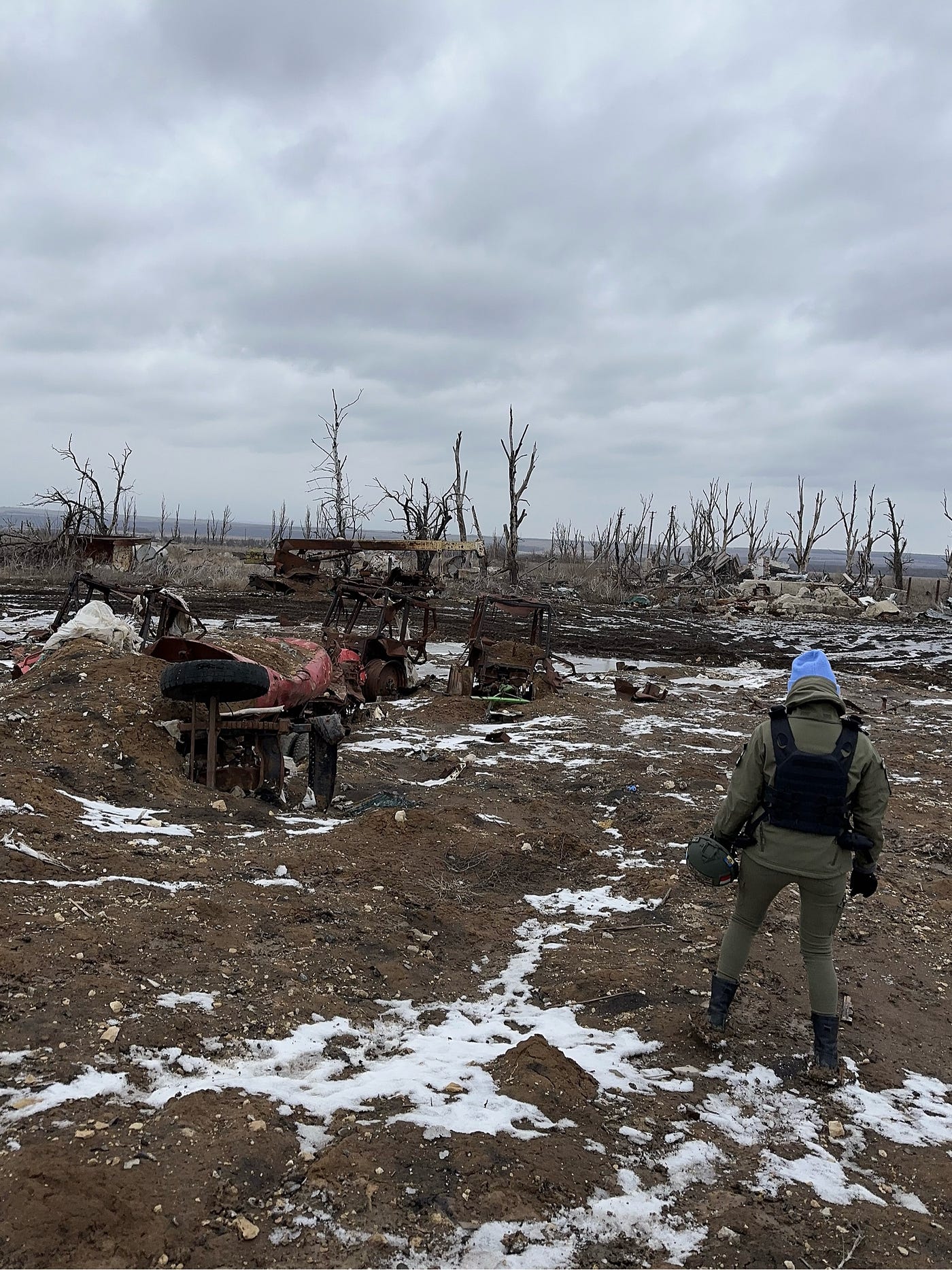
Therefore, I believe it’s right to smooth things over with the Americans to a certain extent, so that they can provide PAC-3 while, in the meantime, pushing for alternatives that already exist and must be implemented in the Ukrainian production chain because they are already part of the European one.
The problem isn’t the existence of alternatives, but their industrial scale. That is, what is decided today.
We need a European industrial paradigm shift with a Ukrainian share in the supply chain. Ukraine must not be the end customer but a production hub. These are issues that should also be addressed in the economic sphere, addressing audiences like the one in Davos.
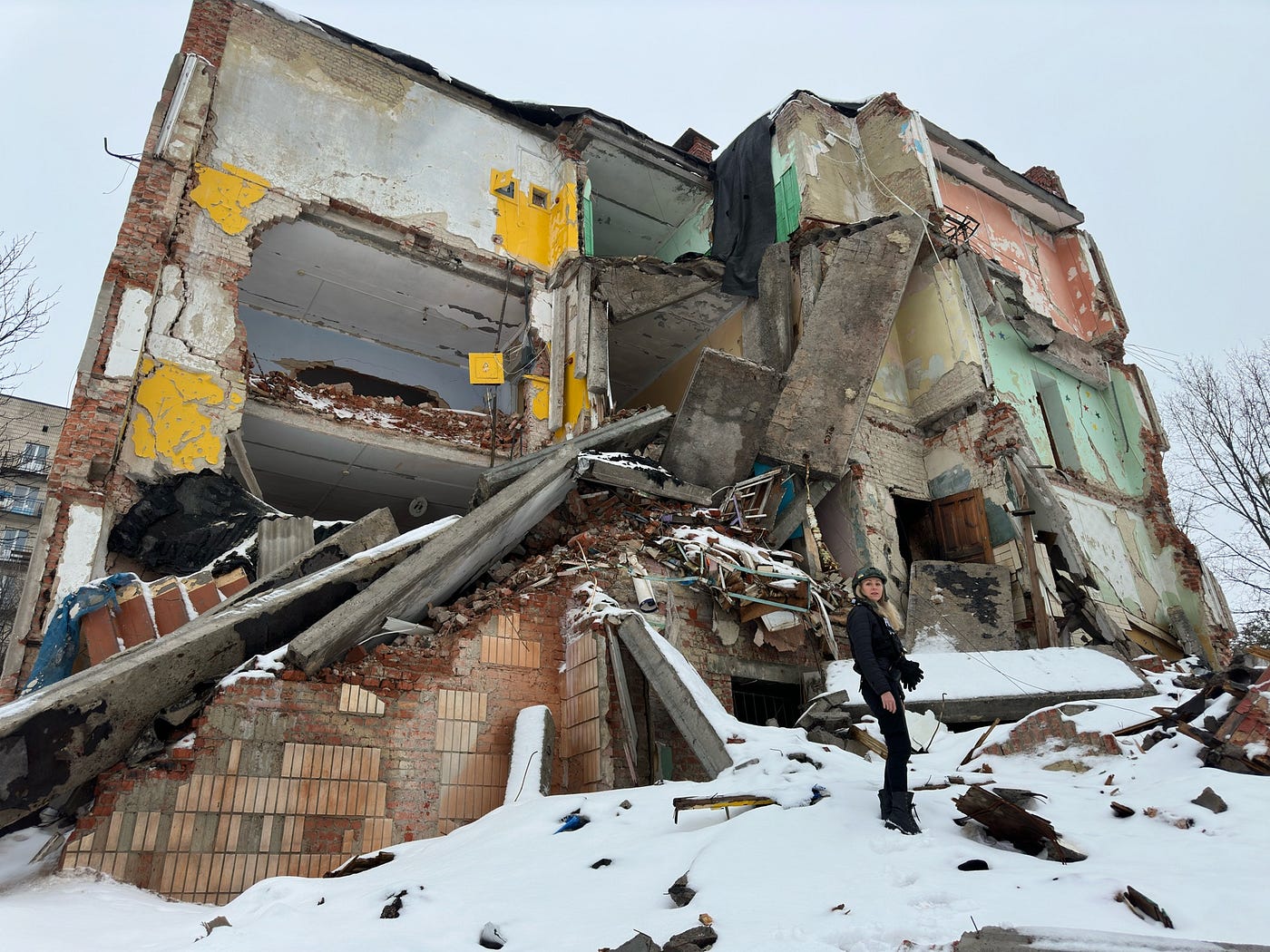
The conclusion is therefore operational, not just ideological: it makes sense to “smooth the fur” of the Americans until the PAC-3 arrive, but only while shifting the center of gravity towards the only strategic way out. Europeanizing anti-ballistic defense with SAMP/T and Aster – and doing so by including Ukraine in the industrial chain as part of the solution, not as a passive recipient.
Zelensky has already demonstrated his ability to break the apparent trajectory. Therefore, in Ukraine, there is hope that this strategy still conceals a final twist.
The continuous blackouts severely damaged the heating system of our house in Western Ukraine while we were here in Donbas.
Without electricity, the pump couldn’t circulate the liquid while the fire was lit. As a result, the system caught fire, and the whole house was at risk of burning. Fortunately, it did not, but the whole system needs to be changed, and the house needs to be restored. Tubes are all bent, walls are blackened by haze, and the heating system doesn’t work, requiring an entirely new system.
We are doing our best since Alla’s parents live there, but there’s still a lot to work on here, too, as the people around us are in no better situation.
We’re renewing our fundraising campaign and thanking everyone who joins to help us restore what Russia is destroying. Even a small donation helps. We’ll keep you updated on developments.
Thank you all, friends
达沃斯的失误凸显模式转变的必要性
作者:Giorgio Provinciali
翻译:旺财球球
乌克兰前线报道
顿涅茨克,第米特里夫卡 — 所谓的阿布扎比 “谈判”终究成了全世界想要看到的闹剧,因为俄罗斯要继续它发起的战争。然而,达沃斯会议呈现了同样令人不安的局面:许多欧洲国家会继续为这场战争提供资金支持,而美国将决定其代价、时间表以及规则,从而确立对欧洲和基辅防务的霸权。
许多人称沃洛季米尔·泽连斯基总统的发言“不够大方”,正如意大利外长安东尼奥·塔亚尼所言——“欧洲在政治上、财政上和军事上尽了一切努力支持乌克兰的独立”。
这在某种程度上是真的:没有欧盟的经济支持——直言不讳——乌克兰将会是战败国,甚至可能早已从地图上消失。然而,同样真实的是,当布鲁塞尔用一只手扶持基辅时,另一只手却通过创纪录的俄罗斯化石燃料采购在资助俄罗斯的恐怖主义——从2022年至今年复一年:向莫斯科支付了约2000亿至2300亿欧元,而用于基辅防务的仅为约1400亿至1600亿欧元。
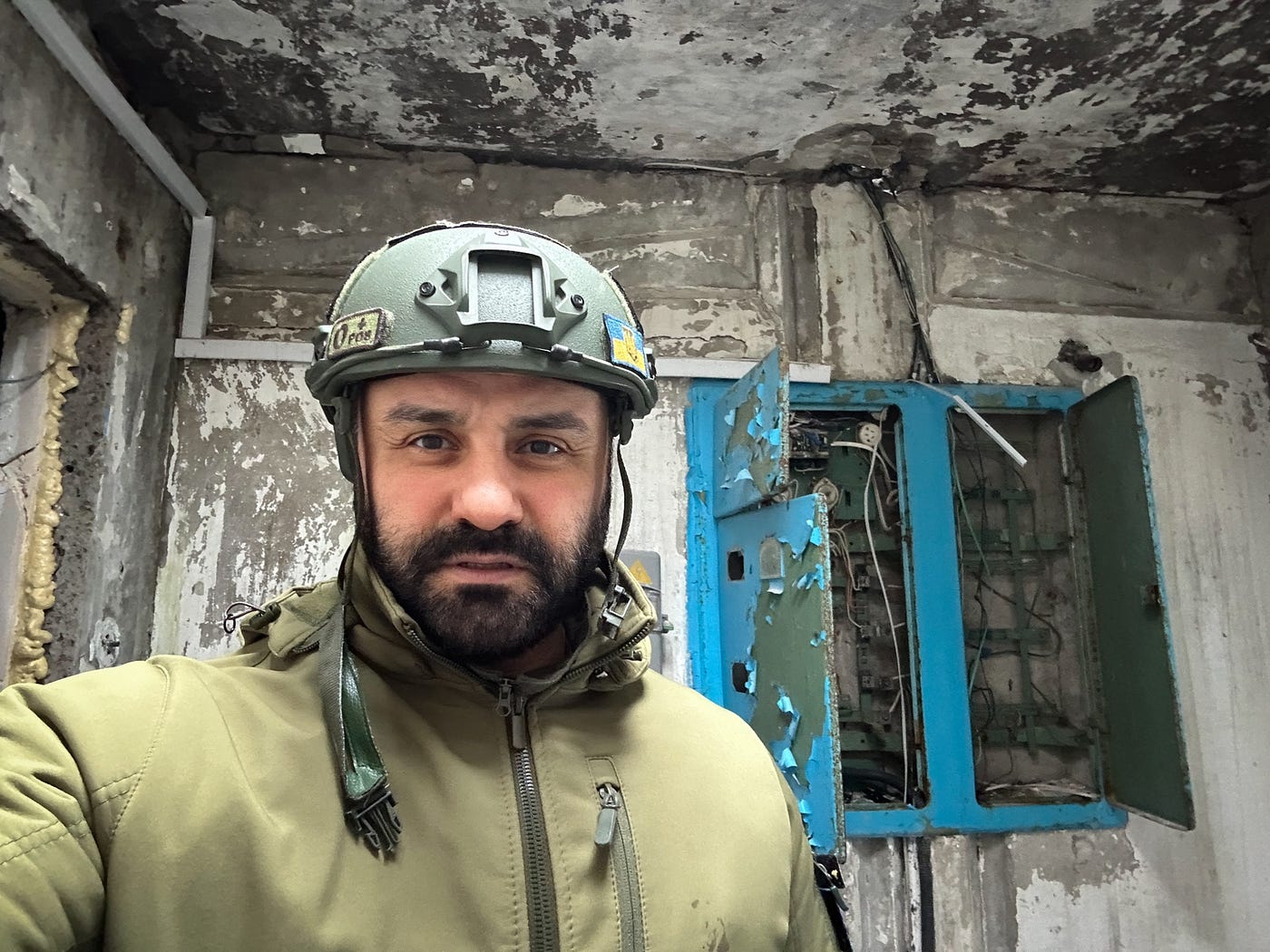
(图:俄罗斯袭击后乌克兰民用基础设施的电气面板——版权所有,Giorgio Provinciali)
同样也应当记住,欧洲及海外伙伴一直拒绝向乌克兰提供那些本可真正使其捍卫并重夺领土完整的武器。
在2022年决定性的胜利反攻阶段,恰在其可助于夺回被俄联邦非法占据的大部分剩余地区之际,乌克兰被拒绝提供坦克,使占领者得以在当地巩固阵地并建立起难以穿透的“苏罗维金防线”。乌被拒绝提供远程武器,而对俄武器的生产与购买却被直接或间接资助。经常交付的是过时的武器,附带荒谬的使用限制,并施加了与那些仍在重申的崇高意向宣言不相称的约束。
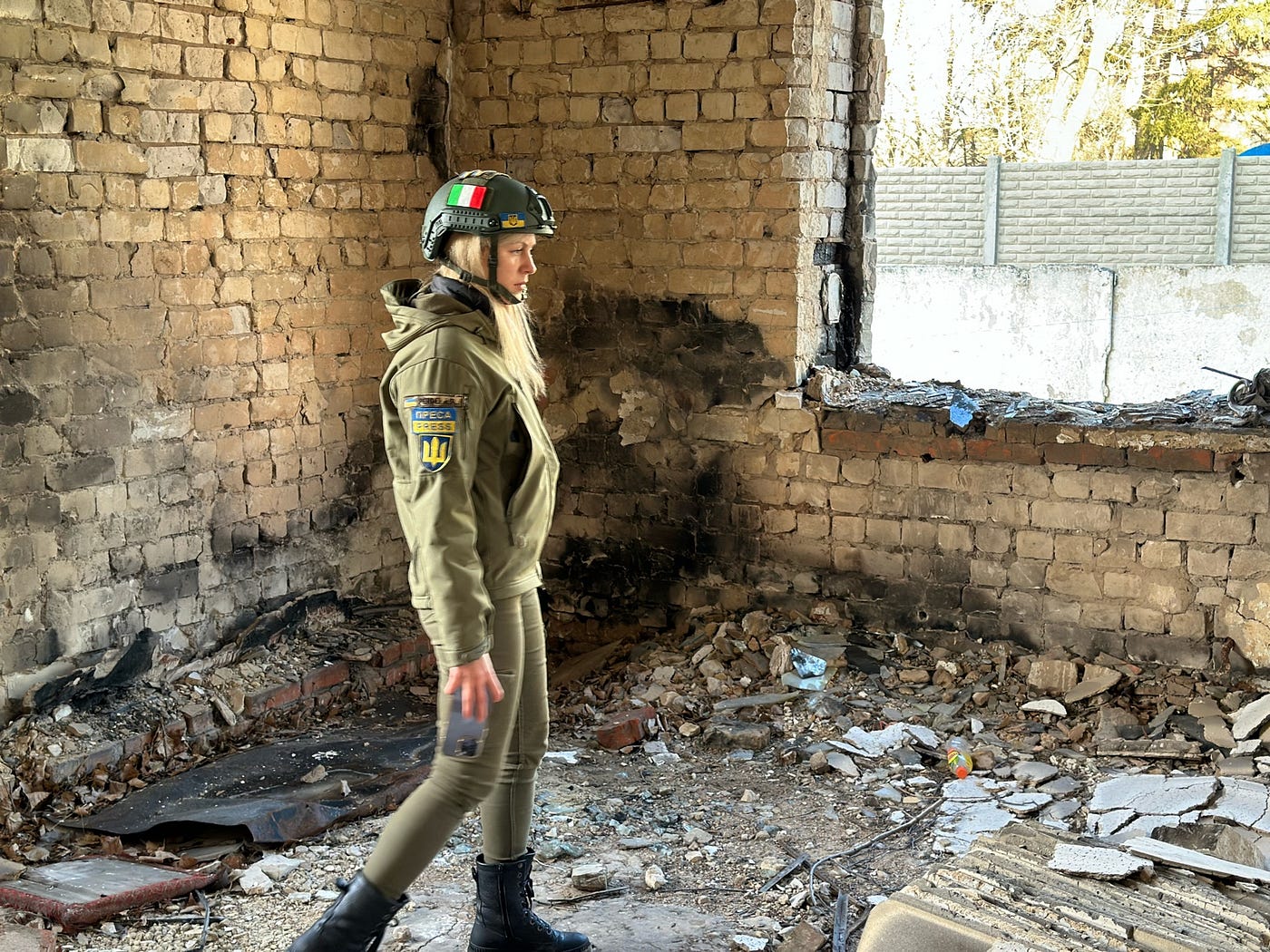
(图:Alla在被俄联邦摧毁的乌克兰民用设施内景——版权所有,Giorgio Provinciali)
然而,泽连斯基本人也并非没有错误。他出席达沃斯及在那儿演讲并不恰当。达沃斯是金融与经济精英聚集之地,充斥着安抚性和非约束性的叙事。在此阶段,乌克兰需要的是决策者,而不是倾听者。乌克兰原本决定不出席,直到前一天在唐纳德·川普的一声令下才改弦易辙,都更加强了等级不对等的印象。不是主动,而是被动。特朗普一通电话,他便回应了。并在同一讲台上重申白宫领导人对乌克兰唯一盟友的抨击。
传统上达沃斯象征着凝聚与稳定,旨在鼓励投资者与合作伙伴。特朗普带着相反意图而来,为讨好他,泽连斯基重复了同样的错误。乌克兰抵抗运动的领导人持续把注意力放在同美国的 “框架协议”上,这些协议本身并非绝对错误,但如果被当作解决方案来强卖,就有问题。
2022年在伊斯坦布尔,那些协议曾用以争取时间,使乌克兰得以重组军力,而西方尚未露出真面目。如今,情势已大为不同:西方宣称对一场它从未参战的战争“感到厌倦”了;美国正在倒退,表现出越来越类似于克里姆林宫的叙事姿态;莫斯科也不再需要伪装开放,阿布扎比已明证此点。
如果在没有以实力为支撑的前提下重新提出,“框架协议”便成了对现实的暂停。对华盛顿有用,却对基辅危险的叙事——恰恰是泽连斯基所指责欧盟的。
此类“协议”仅在明确为战术性、临时性且伴随可控降级战略时才有效,否则只是延迟投降的序言。
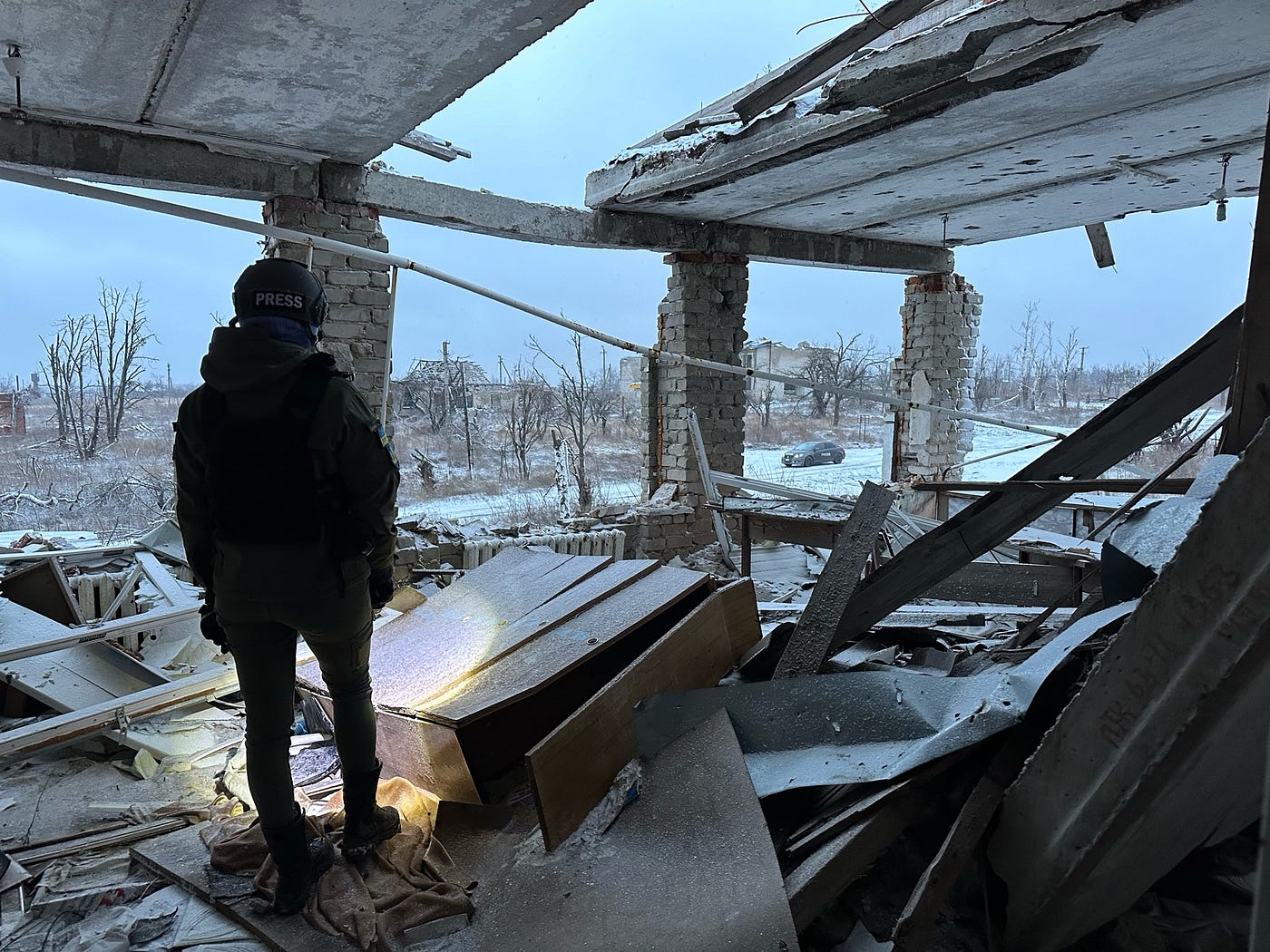
(图:Alla在乌克兰一所被毁学校的瓦砾中——版权所有,Giorgio Provinciali)
泽连斯基提出的最棘手的政治问题在于欧洲放弃了作为战略参与者的角色。可惜他自己却接受并支持了诸如PURL(采购/定价与受控时间表)之类的限制性倡议,这使华盛顿有权决定价格与时间表,甚至能主导和平叙事。
如果这是欧洲的一个失误,泽连斯基已接受并将其常态化,甚至通过继续将欧洲视为观众而非行动者而在某种程度上予以其部分合法化。
如今乌克兰缺乏的是欧洲同样缺乏的独立筹码。在这种情形下,在等待真正的欧洲替代方案时,泽连斯基有成为一套并非出自他本人的战略面孔的风险。如果这场即兴之举最大的成就是把俄方起草的“和平计划”翻译成文,然后再作为“西方的”名义发回发送者,那离泽连斯基所期望的转折仍很遥远。
(图:Alla在乌克兰前核武器基地内景 ——版权所有,Giorgio Provinciali)
在布达佩斯备忘录的惨痛失败之后,乌克兰有法律、历史与政治依据,将恢复最低限度核威慑的问题重新提上议程。
讨论并非关于不受控的扩散或违反国际法,而是关于在安全保障被正式违反、遭受武装侵略以及担保方彻底未能履约的情形下,重获威慑能力。尽管这仍是国内讨论中的主导议题,泽连斯基曾提出该问题,但从未将其转化为真正的谈判工具:没有最后通牒、没有可信的路线图、也没有对盟友施加结构性的压力。他选择不动用那张可以迫使所有人真正坐到谈判桌前的牌,尽管乌克兰具备相应的专业知识、材料、空间与时间。不出收就意味着将战略主动权拱手让给华盛顿与莫斯科,放弃了唯一能打破当前虚伪均衡的工具。这很可能也是泽连斯基所指责的,在更大范围内欧盟屈从于的那些压力的结果。从这个意义上看,他在错误听众面前的发言应被视为一种自我反省。在这一点上,乌克兰在某种程度上也表现出了“欧洲性”。
(图片来源:Vatnik on X)
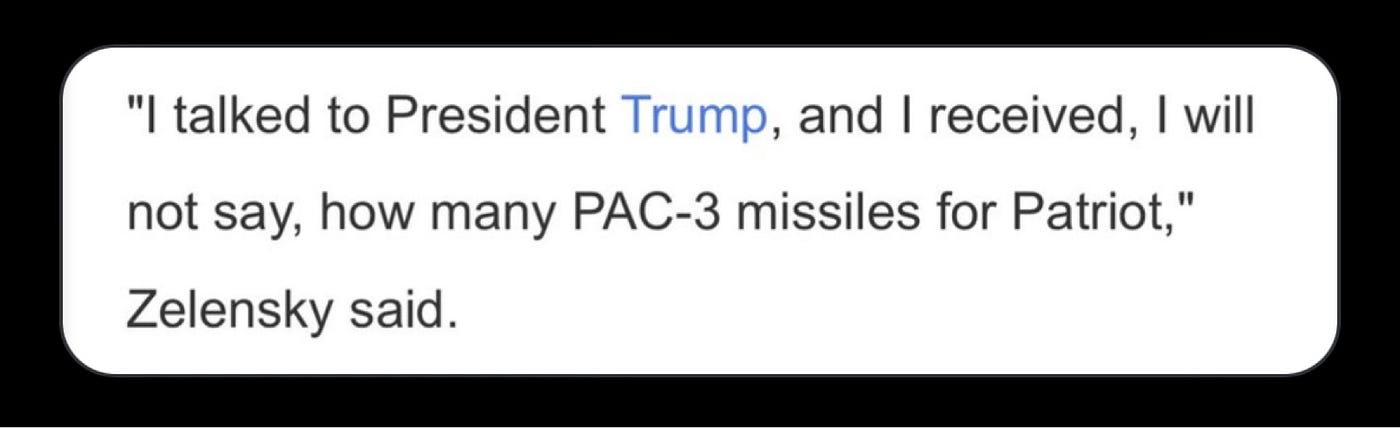
达沃斯会议上,在对欧洲的控诉——在特朗普之后——数小时内,泽连斯基又将获得更多爱国者PAC-3导弹的承诺当作胜利。首先应指出,那些导弹主要是由乌克兰的——亦多为欧洲的——盟友付费购买的,而美国不过再次盖章同意,从而再次为欧洲和基辅的防务规定了时间与价格。
这远非胜利,反而暴露了一种有毒的关系。
没有美国导弹,乌克兰仍可使用SAMP/T系统运作防空,但在乌克兰我们只有寥寥几套。MBDA(与Eurosam)已大幅提高Aster 30拦截弹的生产,甚至能在2025年交付大约五倍于原计划的导弹数量。这也是为何更多导弹也被交付到乌克兰的原因之一。
欧洲工业的转型势在必行——正如雷诺和一些德国汽车制造商已在做的那样。生产周期已缩短,并将在2026年进一步缩短,但乌克兰方面一个明智的选择或许应是推动与莱茵金属等公司的合资企业,使自己能控制其供应链,并着眼未来为欧盟(我们将成为其中一员)所用。
SAMP/T是欧洲的中流砥柱,但每年生产的数百枚导弹大多流向英国、法国和意大利。这就是我坚持从乌克兰视角提高对此问题的重视。
范式转变是比需的。
乌克兰这里其余最佳的防空系统已经是欧洲的。这并非小事,值得关注。
对抗巡航导弹和无人机最有效的系统是IRIS-T,这是一套欧洲体系。其拦截弹源于空对空导弹,具有极高精确度且成本低于Aster。因此,泽连斯基就在数小时前同意再获取18套完整电池,包括发射器与拦截弹。
即便美国撤出,NASAMS也可存活,因为它能与欧洲雷达整合并具模块化架构。
Crotale与CAMM-ER同样是高度可信的欧洲解决方案,可使SAMP/T专注于对抗弹道威胁。更不用说近期如英国的DragonFire等激光系统。
乌克兰的防空体系本质上已经是欧洲化的,并已在没有美国导弹的情况下运行。
然而,针对弹道威胁,模式转变仍然必需,而这一转变始于提高对诸如SAMP/T这类替代方案重要性的认识。只有增强这些替代方案,而非进一步加深对美国的依赖,才能找到替代出路。
(图:Alla乌克兰顿巴斯灰色地带 ——版权所有,Giorgio Provinciali)
因此,我认为在一定程度上与美国“和稀泥”是正确的,以便他们提供PAC-3,与此同时,应推进那些已存在并必须纳入乌克兰生产链中的替代方案,因为这些方案已是欧洲体系的一部分。
问题不在于替代方案是否存在,而在于其工业化规模。也就是说,决定权在今天。
我们需要欧洲工业范式的转变,并使乌克兰在供应链中占有份额。乌克兰不应是最终客户,而应成为生产枢纽。这些问题也应在经济层面被提出,面向像达沃斯那样的听众。
(图:Alla在乌克兰苏梅大学废墟上报道 ——版权所有,Giorgio Provinciali)
结论因此是务实而非仅仅意识形态的:在PAC-3到位之前,安抚美国是合情合理的,但必须同时将重心逐步转向唯一的战略出路——以SAMP/T与Aster实现反弹道能力的欧洲化,并将乌克兰纳入工业链,作为解决方案的一部分,而非被动的接受者。
泽连斯基已证明他有能力打破表面上的轨迹。因此,在乌克兰,人们对这一战略带来最终的转机抱有希望。
***
持续的停电严重损坏了我们在乌克兰西部的家中的供暖系统,而我们当时就在顿巴斯。
没有电,点着的炉火无法通过水泵循环热水。结果,系统起火,整个房子面临着烧毁的风险。幸而未被烧毁,但整个系统需要更换,房子也需要修复。管道都是歪的,墙壁被烟雾熏黑,供暖系统无法正常工作,需要彻底更换。
我们正在尽最大努力,因为Alla的父母住在那里,但这里还有许多工作要做,周围的人处境也好不到哪儿去。
我们正在重启筹款活动,感谢每一位支持我们修复被俄罗斯摧毁一切的朋友。即使是小额捐款也有帮助。我们会及时更新进展。
感谢大家,朋友们。
如果你相信我们的工作,请支持我们
在过去的三年里,我们一直在乌克兰战争的各个前线进行报道……
https://www.paypal.com/pools/c/9lP2mIk7Nk
WENXUECITY.COM does not represent or guarantee the truthfulness, accuracy, or reliability of any of communications posted by other users.
Copyright ©1998-2026 wenxuecity.com All rights reserved. Privacy Statement & Terms of Use & User Privacy Protection Policy
