Deadly Delays
By: Giorgio Provinciali
Live from Ukraine
Sloviansk — In the past few hours, Russian bombing has left 87% of the Chernihiv region and 335,000 households in the Kyiv region without power. Working in harsh conditions, DTEK technicians restored power to 162,000 households, but 173,000 remain without power. The capital’s mayor, Vitaly Klitschko, reported that 5,635 buildings (80% of those reconnected to the grid after the Russian attack on January 9) still lack heating, sparking serious internal debates about the efficiency of his administration, as other heavily hit cities, such as Kharkiv, have shown greater resilience, preparation, and readiness.
The goal of yesterday’s Russian attack was to leave Kyiv in the cold and darkness, and although Ukrainian air defenses intercepted and destroyed a large share of the incoming threats, the goal appears to have been largely achieved.
In the neighboring district of Bucha, Russian airstrikes damaged two electrical substations, killing one man. In Dnipropetrovsk, a business was damaged and two women were injured after Ukrainian anti-aircraft guns shot down more than 40 drones. In Odesa Oblast’, a Russian drone struck a power plant in Chornomorsk and repeatedly struck one in Rivne, leaving another 10,000 users disconnected. Throughout the night, the Russians attacked an industrial plant in Poltava and another in Vinnytsia.
In total, Ukrainian air defenses neutralized 342 out of 372 Russian launchers, proving the effectiveness of their own interceptor drones, as well as that of Patriot and Samp/T, when equipped with missiles. Indeed, the first PAC interceptors arrived from the United States just hours before this brutal attack took place, after almost a year of waiting. Ukraine cannot afford to wait too long in the face of such Russian missile attacks.
Yesterday, 13 out of 15 Russian X-101 cruise missiles and 14 out of 18 Iskander-M and S-300 ballistic missiles were destroyed, but one Tsirkon hit the target.

Ukrainian-made interceptor drones have done the rest, but Western delivery times and procurement mechanisms tied to the Prioritized Ukraine Requirement List (PURL) are proving to be a structural bottleneck. There’s nothing of priority for Ukraine in this architecture, which essentially functions as a long-term reservation system: Ukraine specifies what it needs, Washington approves, the US industry places the order at the end of its regular production, and only then is the material delivered. The result is that an interceptor missile designed to stop an X-101 or an Iskander arrives after the wave of attacks for which it was requested has already passed, or, worse, when Moscow has already adapted its tactics and operational models.
As President Zelensky noted yesterday — and as we ourselves have documented in all our recent reports — all the Russian missiles fired yesterday were recently produced. Thus, paradoxical as it may seem, a sanctioned country like the Russian Federation, with a GDP comparable to Italy’s, produces or purchases at a rate unsustainable for the entire EU, which continues to rely on cumbersome and unreliable processes like those of the PURL.
This also negatively impacts the budgets of those countries that delegate the defense of Ukraine and Europe: the PAC-3 interceptors are supplied at costs that often far exceed those charged in the domestic market or to other historic allies. On average, the unit cost awarded to Ukraine is sometimes double the domestic cost because it includes not only the missile but also a long chain of services, certifications, logistics, and “support” that have nothing to do with the operational urgency of a country under daily bombardment.
Any delay is thus doubly penalizing: militarily and financially.
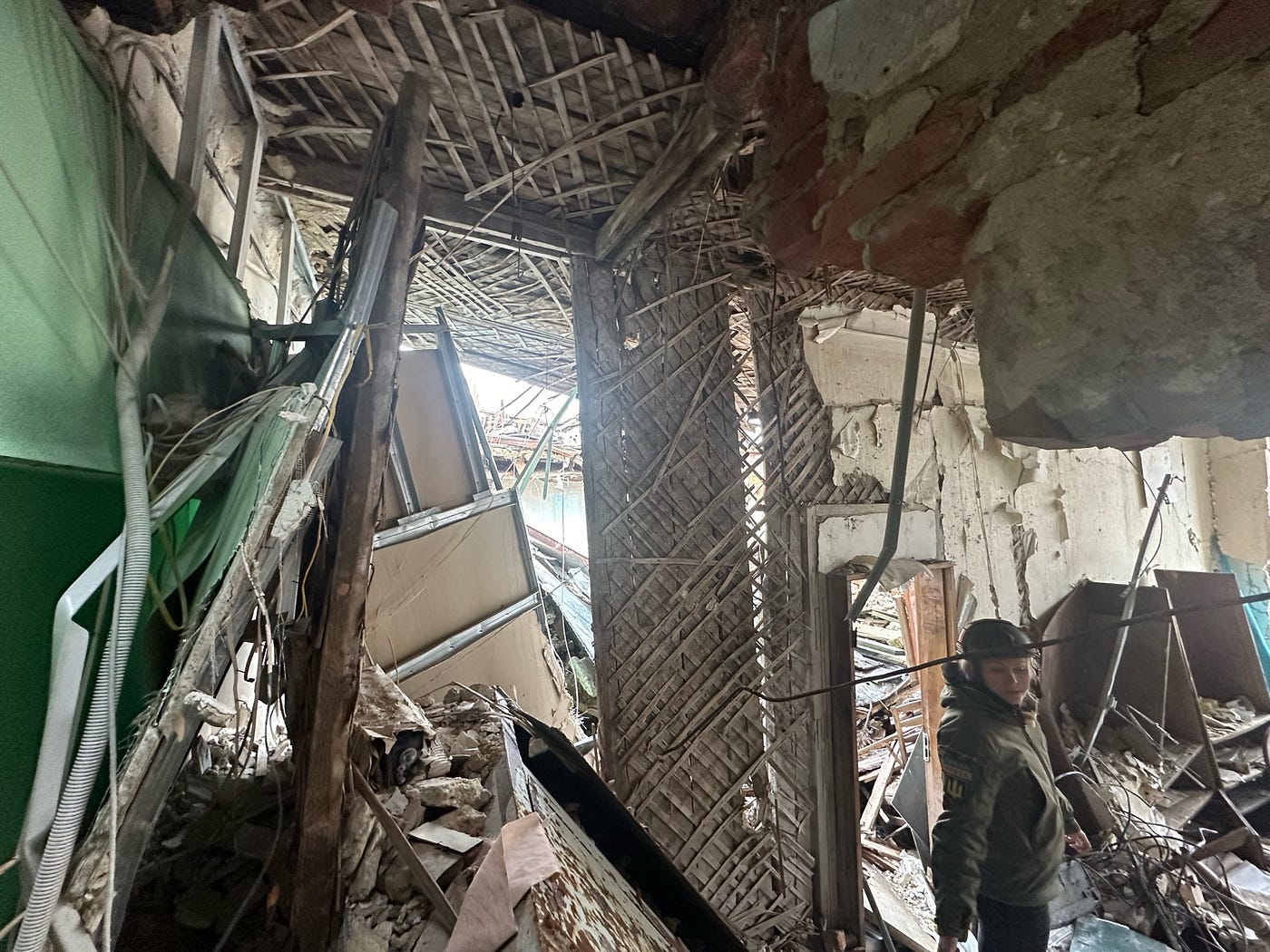
The comparison with European systems is enlightening. When SAMP/T missiles are available, release times are shorter because stockpiles are managed directly by European states and are not subject to an external industrial priority mechanism. It’s no coincidence that, during periods when SAMP/T was continuously resupplied, interception rates remained high and stable.
The limit, in this case, is therefore not technology but the quantity and punctuality of supplies.
Moscow relies precisely on the PURL’s predictability. It knows that after a major attack, Ukraine will need weeks or months to replenish its stockpiles; it knows that orders will follow an extremely slow bureaucratic process; and it knows it can concentrate its missile waves precisely during those windows of vulnerability. This is how a single Tsirkon manages to get through: not through absolute technical superiority but through saturation and timing.

The paradox is that Ukraine has demonstrated its ability to partially offset these shortcomings through domestic production: interceptor drones, close-in defense systems, and rapid adaptations that European industry can precisely match thanks to integration with Ukraine. But no interceptor drone can replace a strategic anti-aircraft missile when ballistic or hypersonic launchers arrive.
Given Washington’s betrayal of the values that bind the US to its historic Allies, there is hope that the EU will finally invest in its own industry rather than delegating its and Kyiv’s security to costly, politically filtered mechanisms like the PURL. If this does not happen, any successes in Ukrainian (and therefore European) anti-aircraft defense will be fragile and temporary. Kyiv will continue to demonstrate its ability to defend its cities when it has the means to do so, while the West will continue to discover, attack after attack, that delivering the right weapons at the wrong time is, on the ground, equivalent to not delivering them at all.
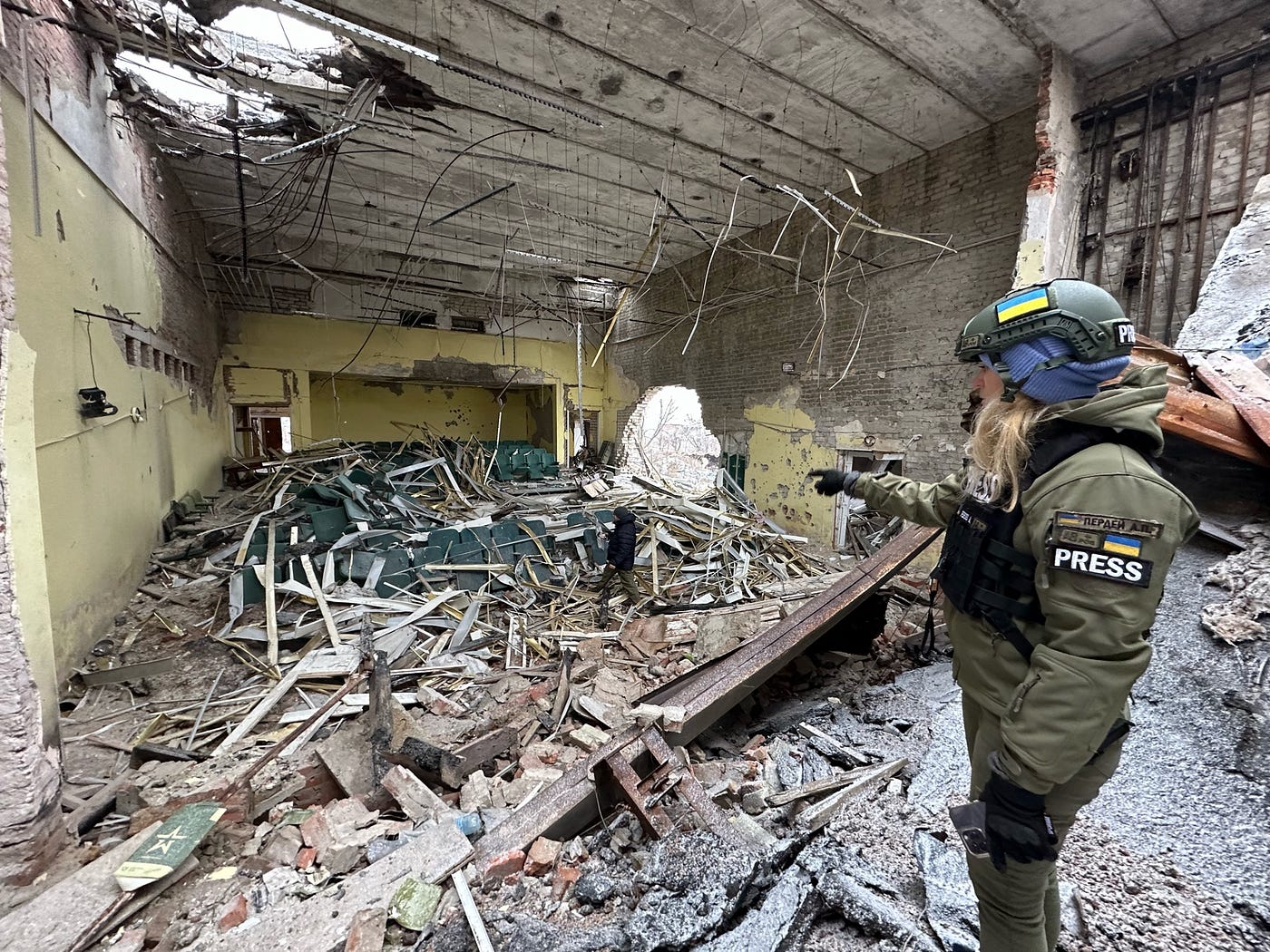
The continuous blackouts severely damaged the heating system of our house in Western Ukraine while we were here in Donbas.
Without electricity, the pump couldn’t circulate the liquid while the fire was lit. As a result, the system caught fire, and the whole house was at risk of burning. Fortunately, it did not, but the whole system needs to be changed, and the house needs to be restored. Tubes are all bent, walls are blackened by haze, and the heating system doesn’t work, requiring an entirely new system.
We are doing our best since Alla’s parents live there, but there’s still a lot to work on here, too, as the people around us are in no better situation.
We’re renewing our fundraising campaign and thanking everyone who joins to help us restore what Russia is destroying. Even a small donation helps. We’ll keep you updated on developments.
Thank you all, friends.
致命的延误
作者:Giorgio Provinciali
翻译:旺财球球
乌克兰前线报道
斯拉维扬斯克——在过去几小时内,俄罗斯的轰炸造成切尔尼戈夫州87%的地区和基辅地区的33.55万户家庭断电。DTEK的技术人员在艰苦的条件下已经为16.2万户家庭恢复了供电,但仍有17.3万户没有电。首都市长维塔利·克利奇科报告称,5,635栋建筑(其中80%是在1月9日俄罗斯袭击后再次接入电网的)仍缺乏供暖,这引发了关于政府行政效率的严重内部争论,因其他受重创的城市,如哈尔科夫,表现出了更强的韧性、准备和应对能力。
昨天俄罗斯袭击的目标是将基辅陷于寒冷和黑暗之中,尽管乌克兰的防空系统拦截并摧毁了大量来袭导弹,但俄的目标在很大程度上似乎已实现。
在邻近的布查地区,俄罗斯空袭损毁了两座变电站,杀死一名男子。在第聂伯罗彼得罗夫斯克,乌克兰防空炮击落了40多架俄无人机,但仍有一家企业受损,两名女性受伤。在敖德萨州,一架俄罗斯无人机袭击了切尔诺莫尔斯克的一座发电厂,并多次袭击了利沃夫的一座发电厂,导致另外1万名用户断电。整个夜间,俄罗斯对波尔塔瓦和文尼察的两家工业厂进行了袭击。
总体上,乌克兰防空系统拦截了俄罗斯发射的372个中的342个,证明了乌方自研拦截无人机,以及在配备导弹时爱国者和Samp/T导弹系统的有效性。实际上,经过几乎一年的等待,第一批PAC拦截器在这次残酷袭击发生前几小时才从美国运达。乌克兰在面对如此俄罗斯导弹攻击时,无法再长期等待。
昨天,15枚俄罗斯X-101巡航导弹中有13枚、18枚伊斯坎德-M和S-300弹道导弹中的14枚被击落,但一枚锆石导弹击中了目标。
(图:我在乌克兰特尔诺皮尔遭受了可怕的俄罗斯空袭后拍了这张照片。 我在一个居民区的中心,所有目标都是平民——版权所有,Giorgio Provinciali)
乌克兰制造的拦截无人机完成了其余工作,但与优先乌克兰需求清单(PURL)相关的西方交付时间和采购机制已成为结构性瓶颈。在这个体系中,乌克兰没有享有任何优先权,它在本质上功能如同一个长期预订系统:乌克兰指定其需求,华盛顿审批,美国工业在常规生产之后才排期生产,直到那时才会交付生产材料。结果就是,设计用于拦截X-101或伊斯坎德导弹的拦截导弹在请求的攻击波已过去后才会到达,或者更糟糕的是,到达时莫斯科已经调整了战术和作战模式时。
正如泽连斯基总统昨天指出的——也如我们在近期所有报道中所记录的——俄罗斯昨天发射的所有导弹都是近期生产的。因此,尽管看似矛盾,俄罗斯这样一个受制裁的国家,其GDP与意大利相当,却以欧盟整体难以承受的速度制造或购买武器,而欧盟仍然依赖于如PURL那样繁琐且不可靠的流程。
这也对承担乌克兰和欧洲安全防护的国家的预算产生负面影响:PAC-3拦截弹的供应成本往往远高于国内市场或其他历史盟友的售价。平均而言,提供给乌克兰的单价有时是国内价格的两倍,因为它不仅包括导弹本身,还包括了一系列服务、认证、物流和“支持”费用,而这些对一个每天遭受轰炸的国家所处的国家紧急状况并无意义。
因此,任何延误都是双重打击:军事和财政。
(图:Alla在乌克兰哈尔科夫被俄罗斯人摧毁的民用基础设施内——版权所有,Giorgio Provinciali)
与欧洲系统的对比很有启发性。当SAMP/T导弹可用时,发放时间较短,因为库存直接由欧洲国家管理,而不受外部工业优先机制制约。在持续供应SAMP/T的时期,拦截率保持在高位且稳定,这并非巧合。
因此,限制因素并不是技术,而是供应的数量和及时性。
莫斯科正是依赖于PURL的可预测性。它知道,在一次大规模袭击后,乌克兰需要数周或数月来补充库存;它知道订单将遵循极其缓慢的官僚流程;它知道可以在那些脆弱窗口期集中发起导弹攻击。这就是为什么一枚锆石导弹能够成功突破防线:不是依靠绝对的技术优势,而是通过饱和攻击和时机把握。
(图:我在乌克兰博罗迪扬卡解放后拍了这张照片——版权所有,Giorgio Provinciali)
矛盾的是,乌克兰已展示出通过国内生产部分弥补这些不足的能力:拦截无人机、近防系统以及乌克兰集成的迅速适应能力,欧洲工业能够与之精确匹配。但当弹道导弹或高超音速发射器来袭时,任何拦截无人机都无法替代战略防空导弹。
鉴于华盛顿对其与历史盟友所绑定的价值观的背叛,人们希望欧盟最终能投资于自身的工业,而不是将其和基辅的安全外包给像PURL这样的昂贵且受到政治过滤的机制。如果不这样做,乌克兰(以及欧洲)防空的任何成功都会是脆弱和暂时的。只要具备手段,基辅将继续展示其捍卫城市的能力;而西方则会在一次又一次袭击中重复发现,错过时机交付正确的武器在实际操作中等同于根本没有交付。
(图:Alla所指处为又一个被俄罗斯摧毁的平民基础设施——乌克兰东部顿巴斯地区的一个剧院——版权所有,Giorgio Provinciali)
持续的停电严重损坏了我们在乌克兰西部的家中的供暖系统,而我们当时就在顿巴斯。
没有电,点着的炉火无法通过水泵循环热水。结果,系统起火,整个房子面临着烧毁的风险。幸而未被烧毁,但整个系统需要更换,房子也需要修复。管道都是歪的,墙壁被烟雾熏黑,供暖系统无法正常工作,需要彻底更换。
我们正在尽最大努力,因为Alla的父母住在那里,但这里还有许多工作要做,周围的人处境也好不到哪儿去。
我们正在重启筹款活动,感谢每一位支持我们修复被俄罗斯摧毁一切的朋友。即使是小额捐款也有帮助。我们会及时更新进展。
感谢大家,朋友们。
如果你相信我们的工作,请支持我们
在过去的三年里,我们一直在乌克兰战争的各个前线进行报道……
https://www.paypal.com/pools/c/9lP2mIk7Nk
