
帝国的溃裂:从拿破仑到普京,乌克兰抵抗俄罗斯的时间长于曾与其共同对抗纳粹的时间
Where Empires Break, From Napoleon to Putin: Ukraine Has Resisted Russia Longer Than It Ever Fought Beside It Against Nazism
By: Giorgio Provinciali
Live from Ukraine
Izium — At dawn on the 1,422nd day since the start of Russia’s full-scale invasion of Ukraine, it can be said that Kyiv resisted the rashist advance — stopping Moscow — longer than it did fighting alongside it against nazism. The Second World War on the Eastern Front was not, in fact, fought solely in Russia—as a narrative widely circulated in Italy (sometimes even by those in institutional positions) would have it—but primarily in Ukraine and Belarus.
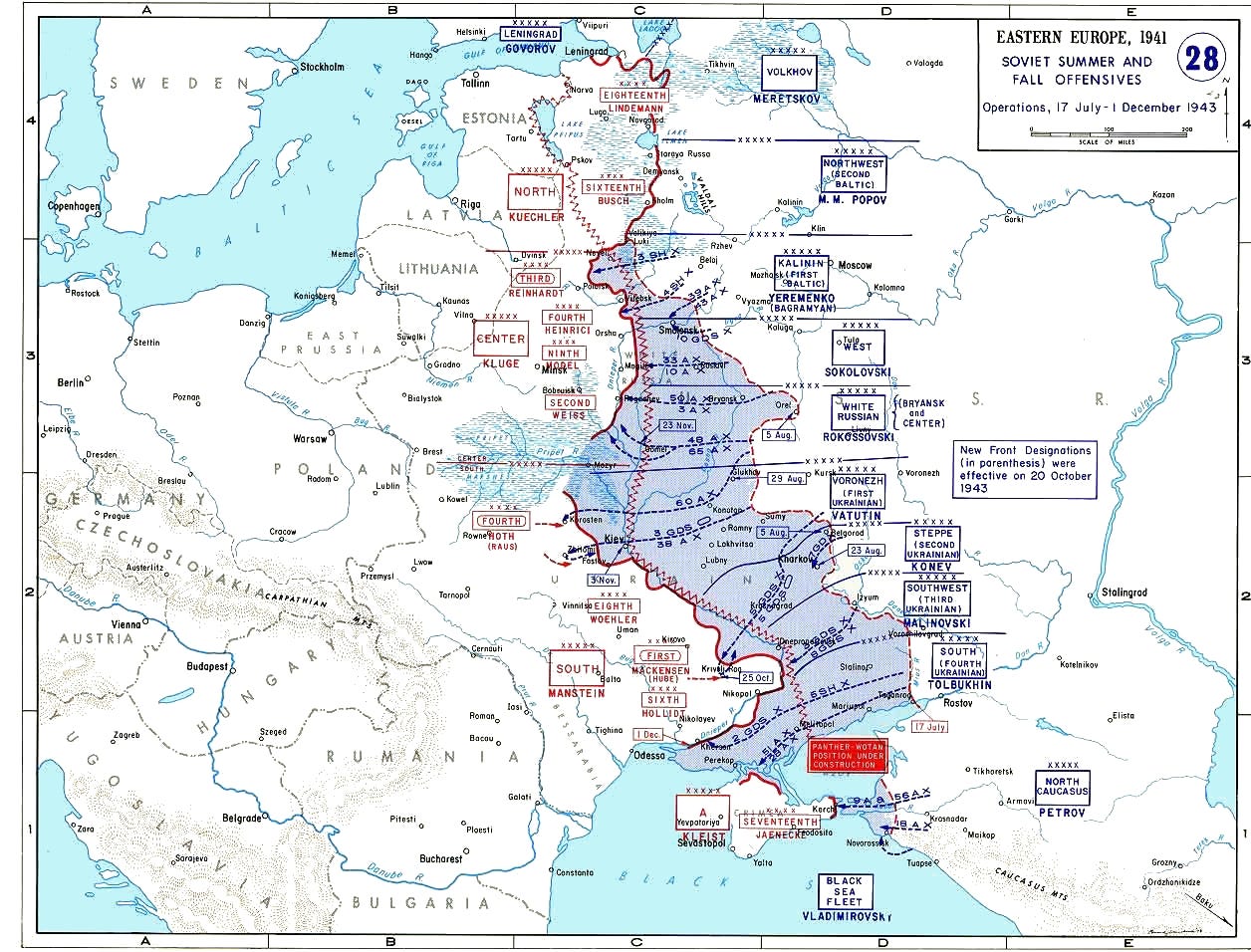
That version of events, which (self)attributes the entire burden of the “Great Patriotic War” to Moscow, holds up only as long as the maps are ignored.
In terms of the size of the battlefield, the rear areas, the occupied territories, and the space for destruction, it was clearly and unequivocally Ukraine that bore that burden, while Russia itself remained largely in a relatively protected hinterland, the seat of decision-making centers and the beneficiary of a strategic depth that others paid for.
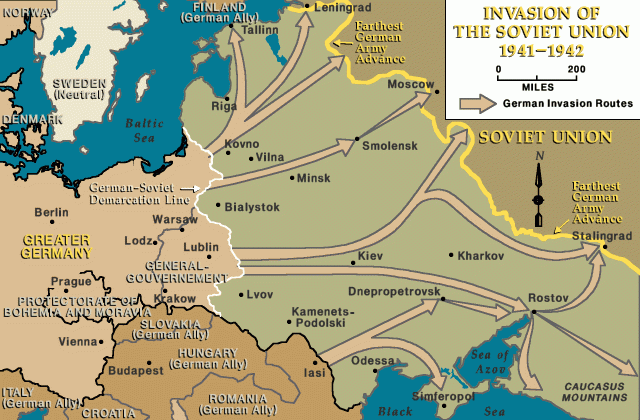
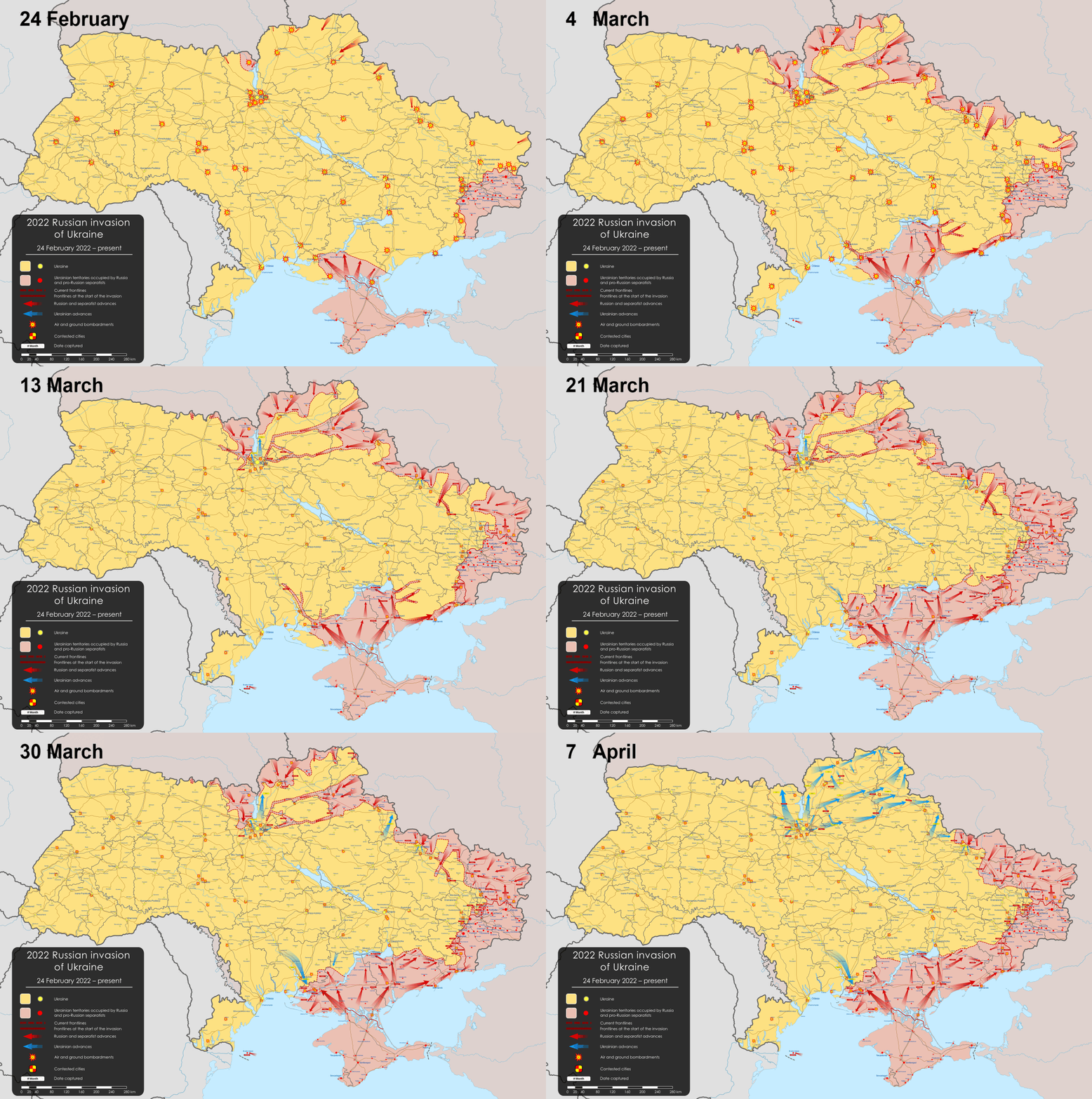
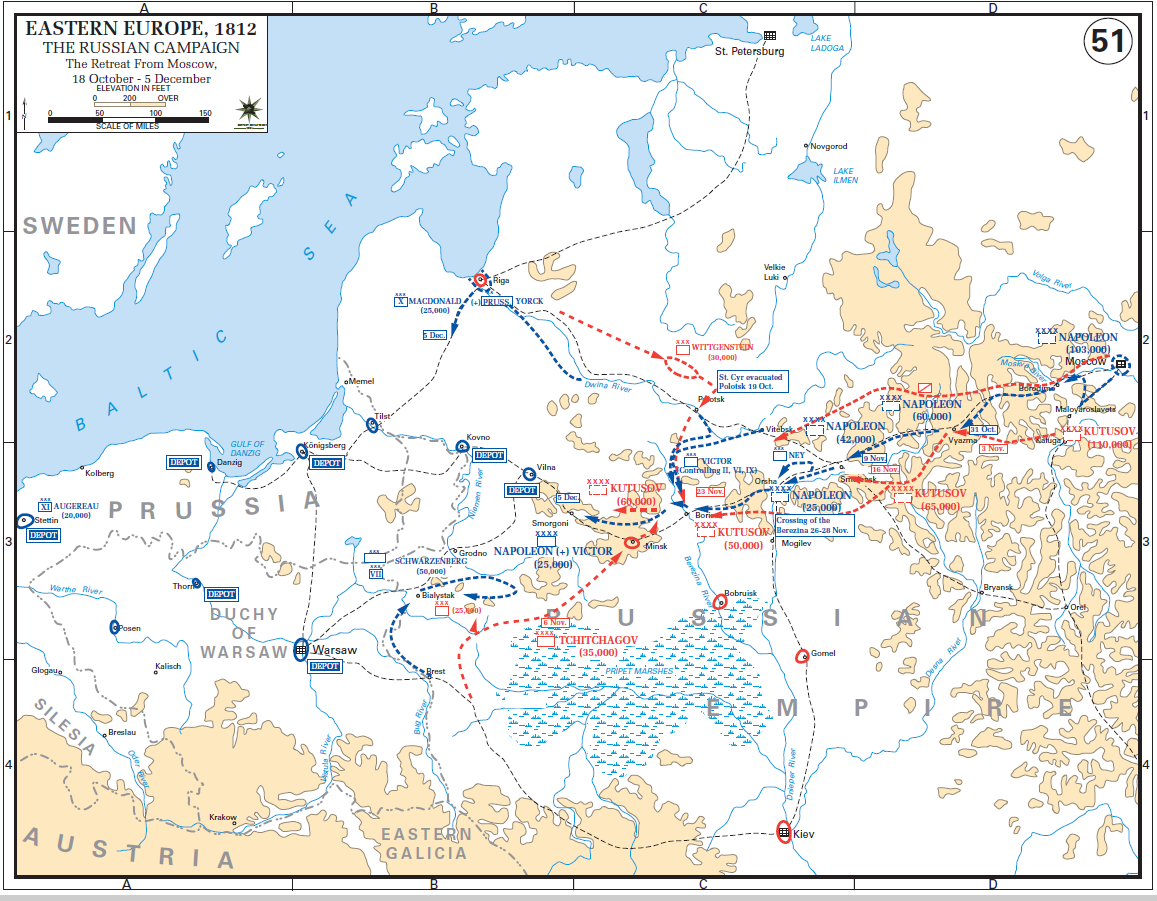
The geographic continuity is striking: as in Napoleon’s 1812 invasion, from 1941 to 1944 the maneuvers took place primarily in Ukraine and Belarus (i.e., the western fringe of the empire and the USSR), thereby wearing down the adversary there. This is why the rashist ideology propagated by Alexander Dugin considers Ukraine to be Russia’s “living space”: historically, Moscow has always been backward, ceding territory and wearing down the adversary just enough to fight the decisive battle outside its own ethnic heartland. As in 1812 and 1941, Ukraine and Belarus were sites of friction on the imperial peripheries, home to immense human and agricultural reservoirs. Paradoxically, as early as 2014 and on a large scale in 2022, Russia itself attempted to apply an inverse imperial logic in Ukraine: no longer retreat to wear down, but advance to annihilate. And it found itself trapped in the very same terrain that had swallowed up those other conquest projects for centuries.
The Russian narrative holds that Napoleon and Hitler fought and lost in Russia.
From where I am writing this article, maps show instead that the former disintegrated his army even before actually fighting in Russia, and that the Wehrmacht was progressively destroyed in Ukraine and Belarus.
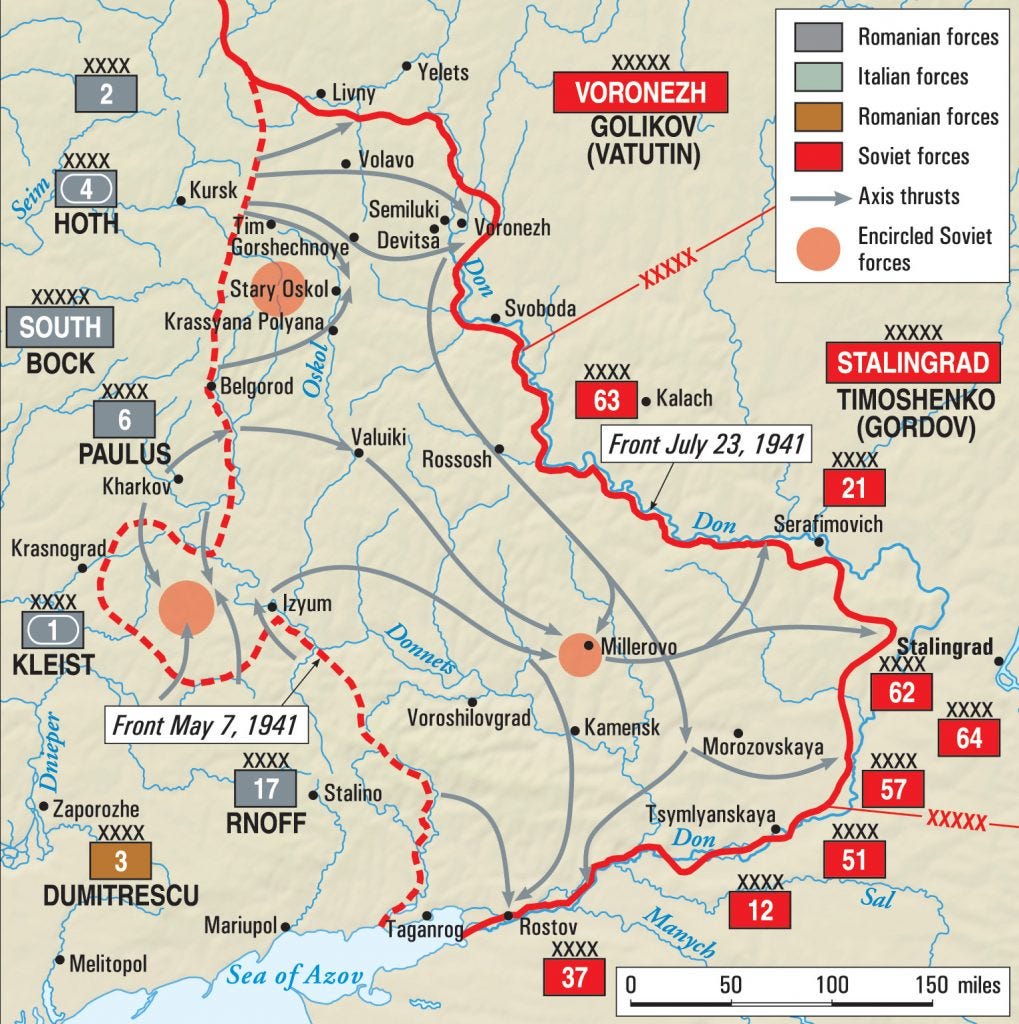
By the time they reached Stalingrad as part of Operation Blue, the Nazi troops were already worn out in material, logistical, and operational terms. Stalingrad was not the beginning of the German collapse on the Eastern Front, but the point at which an already “cooked” army ceased to hold. Exhausted troops failed there only after enormous losses in Ukraine, along the Dnipro, and in the Ukrainian Donbas, without ever having truly rebuilt their men and equipment.
The Wehrmacht ran aground here in Izium as early as July 7, 1942. In the Sumy area, from which Alla Perdei and I documented its attempt to open an operational corridor, consuming men, resources, and initiative, there are now towns like Trostianets’, which the Russians also transformed in 2022 into areas of continuous and attritional fighting from which they were ultimately repelled.

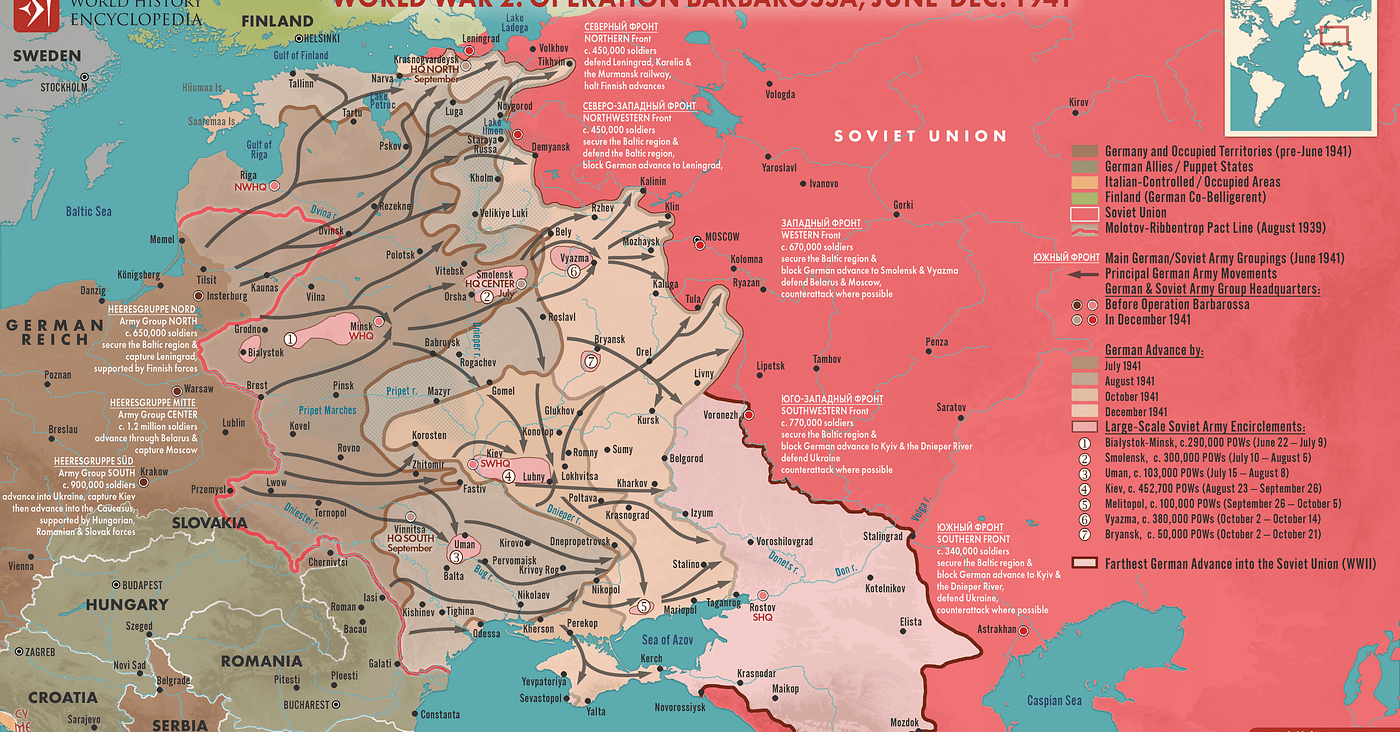

Not to mention the Battle of Kursk (formerly a Ukrainian oblast’), which marked the definitive collapse of German offensive capacity. Where today’s battered Kupiansk stands, Nazi units were shattered and suffered devastating losses. In the same area, the Nazis were repelled a few weeks ago. Hitler’s soldiers ended up stranded along the Donets River, precisely in the areas where Moscow attempted to advance in 2022 and was ultimately repelled. History is consistent. The places from which I write speak of past and recent events in a disconcerting overlap.
Finally, there remains the external burden, then American and now European. Although the USSR would likely have resisted anyway, without Lend-Lease it would never have been able to mount a large-scale offensive. Georgy Tsukov himself acknowledged that, without American supplies, the Red Army could not have advanced. Materially supported by American industry, that war, which was fought largely in Ukraine — not in Russia — ended with a Soviet victory on the battlefield.
The iconic image of the first tank — of American manufacture — entering Auschwitz with a Ukrainian soldier aboard captures, in a single stroke, three truths that too many today would like to separate: the Ukrainian contribution, Western support, and the propagandistic appropriation of memory.
Today, the European Union is providing financial support to Ukraine, which is fighting as a sovereign state to stop a Russian invasion that has now equaled and surpassed the entire invasion of Nazi Germany, from the launch of Operation Barbarossa to the German surrender.
This temporal symmetry — and total political asymmetry — historically supports the Ukrainian resistance.
Which, once again, is deciding the fate of Europe.

????
帝国的溃裂:从拿破仑到普京,乌克兰抵抗俄罗斯的时间长于曾与其共同对抗纳粹的时间
作者:Giorgio Provinciali
翻译:旺财球球
乌克兰前线报道
伊久姆——在俄罗斯对乌克兰全面入侵的第1,422天的黎明时分,可以说基辅抵御俄式侵略、阻止莫斯科的时长,已经比与其共同对抗纳粹的时间更长。第二次世界大战东部战线并非仅在俄罗斯进行——这是意大利广泛传播的叙事,有时甚至被一些官方人士提及——而主要是在乌克兰和白俄罗斯进行的。
(图:照片来源:二战空间)
这个把 “伟大的卫国战争”的荣耀自说自话全部归功于莫斯科的事件版本,只有在忽视地图的情况下才能成立。
就战场的规模、后方地区、被占领土和破坏空间而言,显然和毫无疑问地是乌克兰承担了战争的重担,而俄罗斯本身大部分时间仍处于相对安全的腹地、决策中心所在地,是其他国家所付出的战略纵深的受益者。
(图:地图来源:大屠杀百科全书)
地理的连续性令人吃惊:正如拿破仑1812年的入侵一样,从1941年到1944年的军事行动主要发生在乌克兰和白俄罗斯(即帝国和苏联的西部边缘),从而在那里削弱了对手。这就是亚历山大·杜金传播的俄式意识形态将乌克兰视为俄罗斯“生存空间”的原因:从历史上看,莫斯科一直处于落后状态,不断割让领土,仅仅消耗敌人以便能在其自身民族的核心领土外进行决定性战斗。正如在1812年和1941年,乌克兰和白俄罗斯是帝国边缘的摩擦点,拥有巨大的人员和农业储备。
具有讽刺意味的是,早在2014年,以及在2022年大规模地入侵时,俄罗斯便试图在乌克兰施行一种反向的帝国逻辑:不再是退后以消耗敌人,而是进攻以消灭敌人。结果,它发现自己陷入了那个数百年来吞噬其他征服项目的同一片领土。
(图:地图来源:2022年俄罗斯入侵乌克兰.svg,最初由Viewsridge Itself创作,衍生自Russo-Ukraine Conflict (2014-present).svg,作者:Rr016战斗详细地图)
俄罗斯的叙事声称拿破仑和希特勒在俄罗斯作战并失败。
然而,从我写这篇文章的所在地看,地图却显示,前者(拿破仑)实际上在俄罗斯作战之前就已经解散了自己的军队,而德意志国防军则在乌克兰和白俄罗斯逐步被摧毁的。
作为蓝色行动的一部分抵达斯大林格勒时,纳粹部队在物资、后勤和作战方面已经疲惫不堪。斯大林格勒并不是德国在东线崩溃的开始,而是一个已经消耗殆尽的军队停止抵抗的节点。在疲惫的部队在此处失败之前,经历了乌克兰沿顿尼泊河及乌克兰顿巴斯地区的巨大损失后,却始终未能真正重建他们的士兵和装备。
德意志国防军早在1942年7月7日就陷在了伊久姆。在苏梅地区,阿拉·记录了他们试图开辟一条作战通道的尝试,消耗了人员、资源和主动权,现在那里有像特罗斯季亚内茨这样的城镇,而俄罗斯人在2022年也把这些地方转变为持续的消耗战区域,最终被迫撤退。
(图:图片来源:维基媒体共享)
(图:地图来源:世界历史)
(图:拿破仑战争地图。照片来源:西点军校)
(图:拿破仑战争进程——地图来源:革命时代)
更不用提库尔斯克战役(原为乌克兰的一个州),它标志着德军进攻能力的彻底崩溃。在今天饱受摧残的库皮扬斯克所在的位置,曾是纳粹部队遭到重创并遭受惨重损失的地方。在同一地区,就在几周前纳粹被击退。希特勒的士兵最后被困在顿涅茨河沿岸,恰好是在莫斯科在2022年试图推进,并最终被迫撤退的地区。历史是一致的。我要所在的地方诉说着昔日和近期事件,它们令人不安地重复着。
(图:照片来源:战争历史网)
(视频:我在乌克兰莫什钦拍摄了防卫基辅战斗的战壕中的录像。除了这些战壕,还有第二次世界大战时的战壕——版权所有,Giorgio Provinciali)
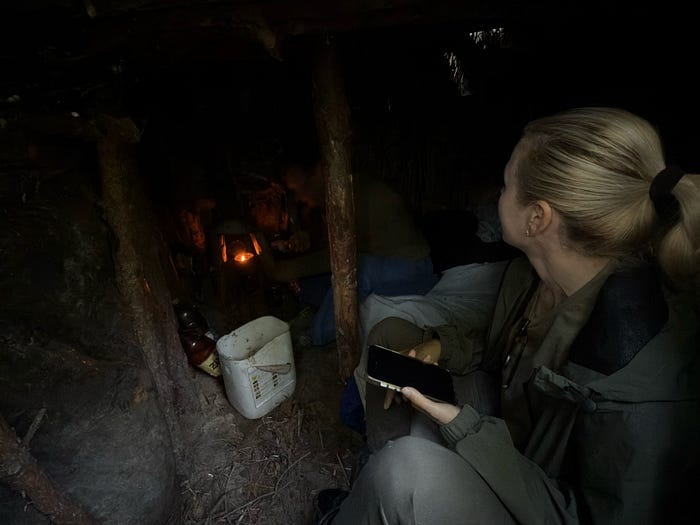
(图:照片摄于我和阿拉在苏梅的游击队员所建的抵抗俄罗斯的战壕内时。战壕所在的森林也是二战时的战场——版权所有,Giorgio Provinciali)
当然,还存在外部力量,当时来自美国,现在是来自欧洲。尽管苏联可能无论如何都会抵抗,但如果没有租借法案,它根本无法发动大规模进攻。乔治·楚科夫本人承认,如果没有美国的补给,红军将无法前进。在美国工业的物质支持下,那场主要在乌克兰—而非俄罗斯—进行的战争,最终以苏联在战场上的胜利结束。
那幅第一辆美国制造坦克载着一名乌克兰士兵进入奥斯维辛的标志性画面,一下子捕捉到了今天许多人希望分开却无法忽视的三个真相:乌克兰的贡献、西方的支持,以及对记忆的宣传性占有。
如今,欧盟正在向乌克兰提供财政支持,乌克兰作为一个主权国家在抗击俄罗斯的入侵,而这场入侵的规模已经等同于并超越了纳粹德国的整个入侵,从巴巴罗萨行动的发动到德国投降。
这一时间上的对称性——以及完全的政治不对称——在历史上支持了乌克兰的抵抗。
而这一次,再次决定着欧洲的命运。
(图:我在莫什钦,乌克兰在这里建造的战壕正是在二战时期其它战壕所在的地方——版权所有,Giorgio Provinciali)
????
致所有相信我们工作并愿意支持它的人
在过去三年里,作为自由撰稿人,我们一直在乌克兰战争的所有前线进行报道,自从大规模……
https://www.paypal.com/pools/c/9kY6JJqKxy
WENXUECITY.COM does not represent or guarantee the truthfulness, accuracy, or reliability of any of communications posted by other users.
Copyright ©1998-2026 wenxuecity.com All rights reserved. Privacy Statement & Terms of Use & User Privacy Protection Policy
