Under Fire From the ZNPP: Nuclear Co-Management and Territorial Referendums as Legal Fictions
By: Giorgio Provinciali
Live from Ukraine
Nikopol’ – From the Zaporizhzhia Nuclear Power Plant (ZNPP) in Enerhodar, which they have illegally occupied since 2022, the Russian Armed Forces continue to target the populations of Nikopol’, Marhanets, and dozens of other once-thriving, vibrant cities, now reduced to desolate wastelands. For years, these areas have seen at least one death or serious injury every day, and even leaving home to go shopping has become a nightmare. FPV drones and artillery fire from the ZNPP and surrounding areas are aimed directly at civilians and the housing infrastructure they inhabit, leaving buildings that now appear as ghostly structures with blackened, pitted facades.
Speaking with an array of survivors of this macabre Safari, we discussed the ZNPP management plan outlined in point 12 of the so-called ‘20-point peace plan’ and the commitment in point 18 to hold elections and even a referendum immediately following the eventual signing of this agreement. We found both to be legally inconsistent and politically destabilizing. In short, unenforceable, as we have already noted on these pages with points 1, 2, 5, 6, and 11.
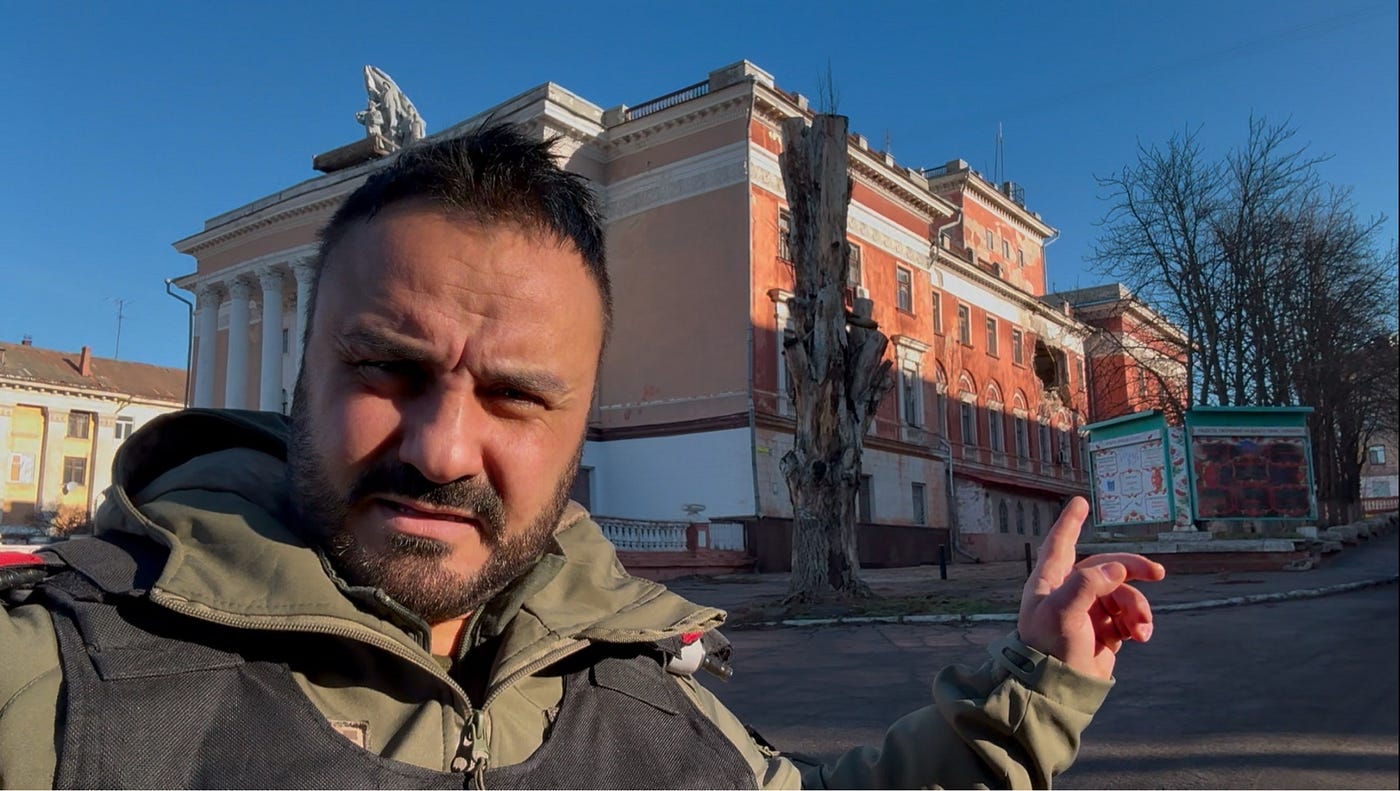
The United States proposes tripartite management of the ZNPP, with Washington as the primary manager. Kyiv responds with fifty-fifty co-management with the US.
Both options are doomed.
According to international law, a nuclear power plant on a state’s sovereign territory cannot be co-managed by a third country without an explicit, neutral mandate (for example, the IAEA) or a temporary international administration approved by the UN Security Council.
Neither applies here.
Any proposal assigning Washington a managerial role, therefore, violates the principle of territorial sovereignty, creates the dangerous precedent of political administration of a nuclear facility in a war zone, and transforms the NPPZ into a contested geopolitical asset. That is the opposite of the protected civilian infrastructure needed by the people who live here.
Ukraine’s counterproposal is no less problematic: ceding nuclear management powers to a third state exposes Kyiv to legal challenges, while Moscow would interpret it as an instrumental internationalization of the conflict, increasing – not reducing – the risk of escalation.
The only solution compatible with international law remains the withdrawal of the occupying forces, with the restoration of full Ukrainian control and the IAEA’s exclusive technical, not political, supervision.
Understandably, those who live here are firmly convinced that any other proposal would be a source of ongoing tensions.
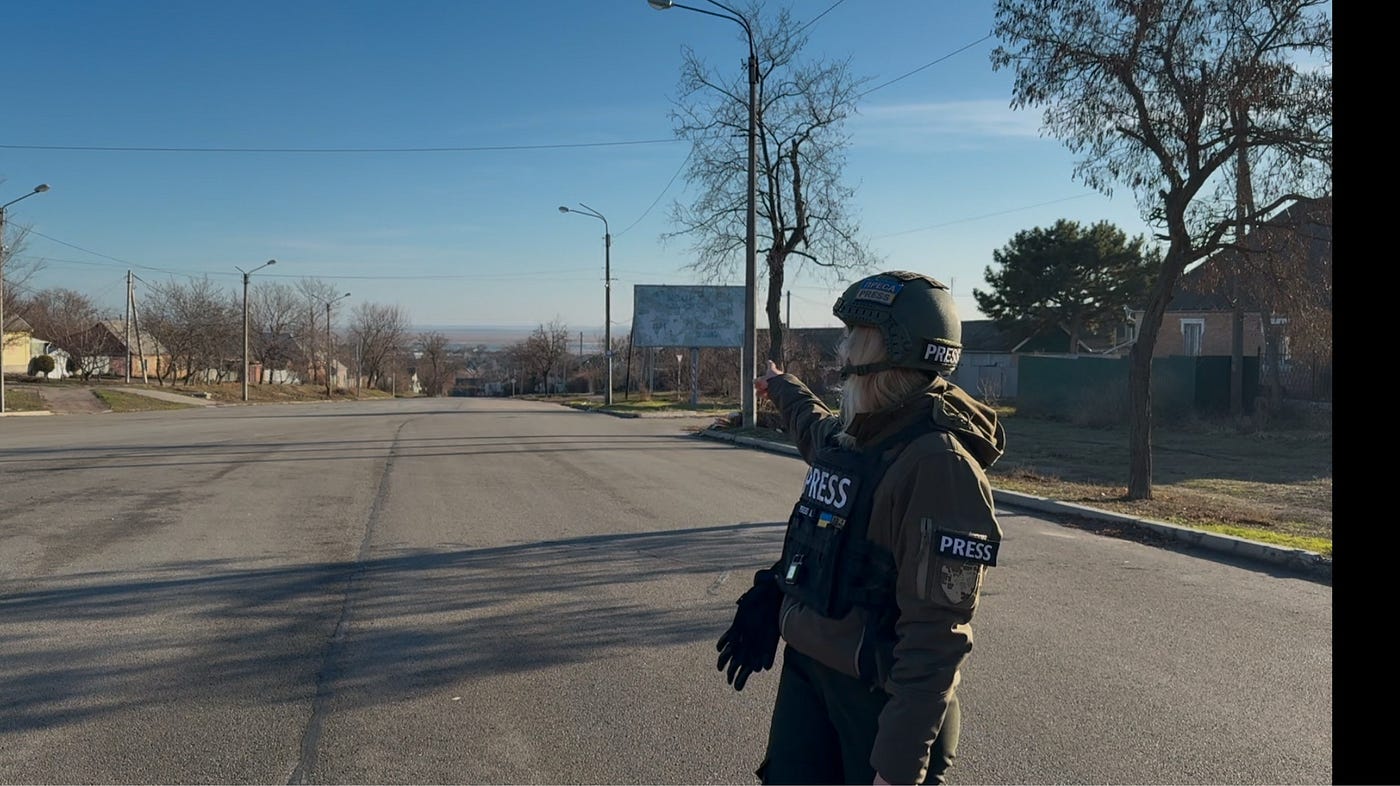
Likewise, in these frontline areas, the unsustainability of holding elections immediately after signing an unfair agreement like this is palpable. Millions of Ukrainians, including internally displaced persons, refugees abroad, citizens in occupied territories, and soldiers at the front, would be deprived of the right to vote.
Holding elections under such conditions violates the principle of the universality and equality of suffrage, a cornerstone of international human rights law.
They would not be elections but a fundamentally flawed procedure.
Added to this is the risk of external interference. Russian Foreign Minister Sergei Lavrov has already called for «Ukrainians in Russia» to vote as well. But which territory is Russian and which Ukrainian, if what lies beyond the Dnipro (dry after Russia’s construction of the Nova Khakovka dam) belongs de jure to Ukraine and is de facto administered by Moscow?
The manipulations would be massive and would raise a question, unsolvable with such ‘peace plans’, that lies at the root of the war: who determines which territories are legitimately Ukrainian or Russian, if status is the very subject of the conflict?
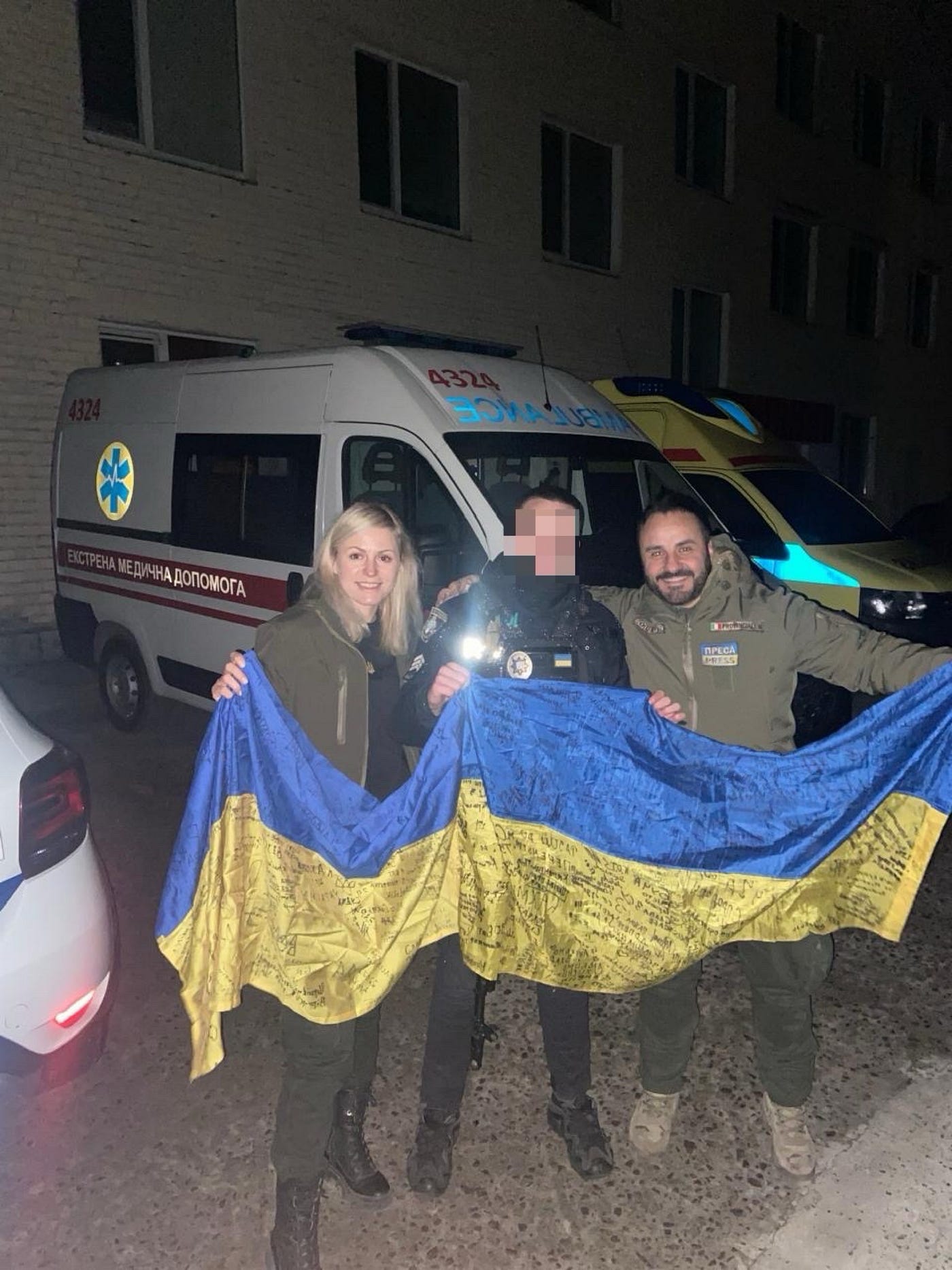
Pan-Ukrainian referendums have been held only twice. On December 1, 1991, to confirm the Act of Proclamation of Independence (turnout was over 84%, with 90.32% of votes in favor, an absolute majority, in all regions, including Crimea and the East); on April 16, 2000, at the request of then-President Leonid Kuchma, who asked for a vote of confidence in Parliament, a bicameral system, a reduction in the number of deputies, and the revocation of immunity (turnout was around 80%, with over 80% of votes in favor on all questions).
However, today the problem is not historical but constitutional.
The Ukrainian Constitution, in fact, sets insurmountable limits: accordingto Article 2, Ukraine is a unitary state whose territory is intact and inviolable; according to Article 157, the Constitution cannot be amended if this is intended to violate its territorial integrity.
As Ukrainian constitutionalist Andriy Magera has clarified, a referendum on territorial modification is admissible only in the case of enlargement, not cession. Since this is not the case at hand, the legal basis for holding an all-Ukrainian referendum at a level that entails territorial renunciation is lacking.
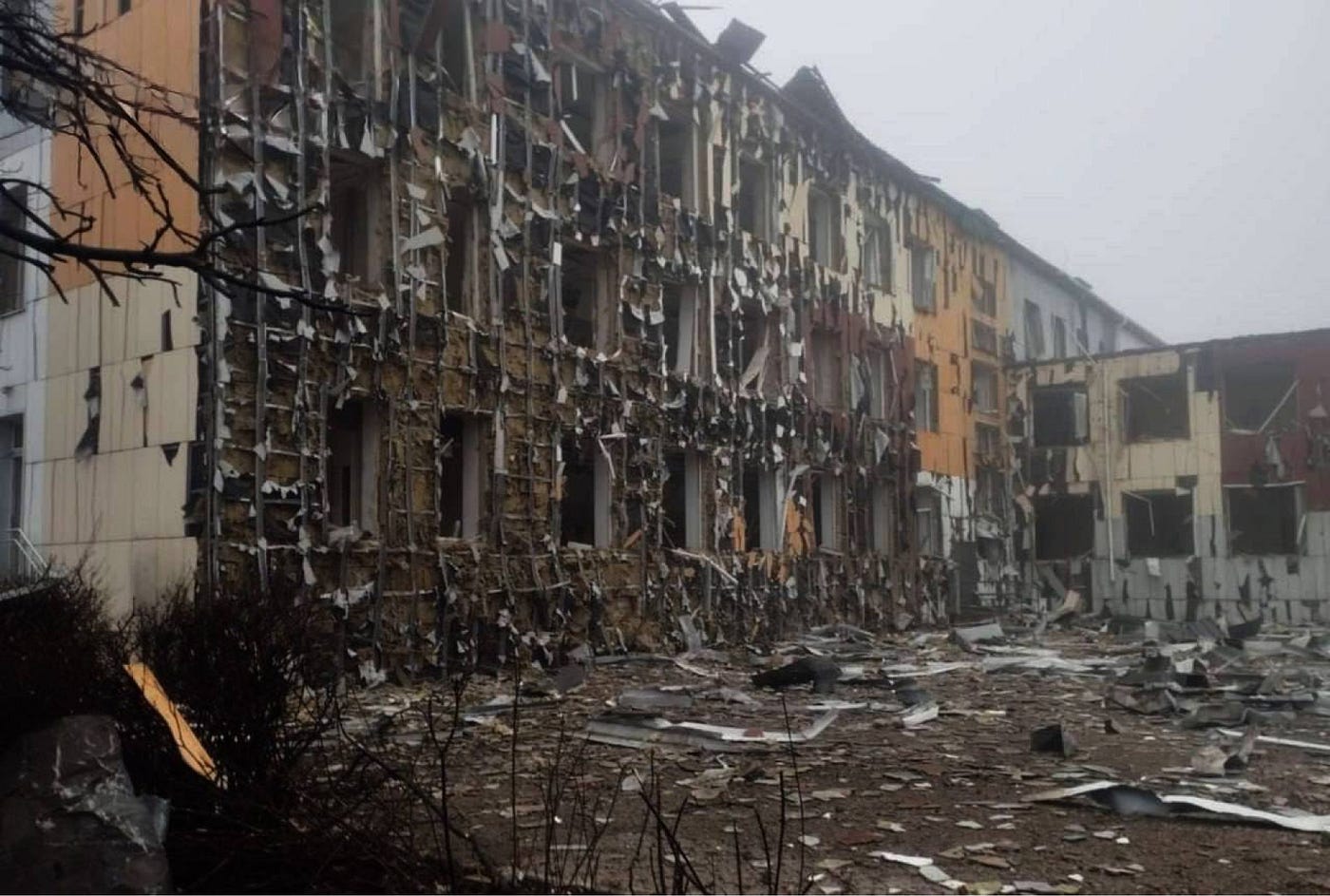
The reality which emerges a couple of kilometers as the crow flies from the ZNPP is clear: any proposal for international and political management, immediate elections, or territorial referendums will not bring peace at all: it will delegitimize, polarize, and pave the way for the next conflict.
No agreement that violates a country’s sovereignty, electoral rights, or Constitution is peace: it is merely a fragile truce, legally unsustainable, politically unenforceable, and militarily explosive.

A sincere thank you ? to those who support us in our fundraising campaign????
来自扎波罗热核电站的炮火:核共同管理与领土公投的法律虚构
作者:Giorgio Provinciali
翻译:旺财球球
乌克兰前线报道
尼科波尔 – 自2022年非法占领以来,俄罗斯武装部队持续从位于埃内尔霍达尔的扎波罗热核电站(ZNPP)袭击尼科波尔、马尔哈内茨以及其他曾经繁荣的城市,这些城市如今已沦为荒凉的废墟。多年来,这些地区每天都至少发生一起死亡或重伤事件,甚至外出购物变成了一场噩梦。从ZNPP及周边地区发射的FPV无人机和炮火直接瞄准平民及他们居住的住房基础设施,留下了一座座如今看起来如同幽灵般的焦黑、坑洼的建筑。
在与经历过这骇人听闻的“狩猎”事件的幸存者交谈时,我们讨论了所谓“20点和平计划”第12点所列的扎波罗热核电站管理计划,以及第18点承诺在签署协议后立即举行选举甚至公投。我们发现这两项内容在法律上均不一致且在政治上具有不稳定性。简而言之,无法执行,正如我们在本刊前期对第1、2、5、6和11条所指出的那样。
(图:我正在指向乌克兰马尔哈内茨的一座被俄罗斯联邦摧毁的民用建筑——版权所有,Giorgio Provinciali)
美国提议对ZNPP进行三方管理,以华盛顿作为主要管理者。基辅则与美国进行五五分成的共同管理。
这两种方案都是注定要失败的。
根据国际法,一个国家主权领土上的核电站不能在没有明确中立授权(例如国际原子能机构)或未经联合国安理会批准的临时国际管理的情况下由第三国共同管理。
这两种情况在这里都不适用。
因此,任何赋予华盛顿管理角色的提议都违反了领土主权原则,创造了在战区对核设施进行政治管理的危险先例,并将核电保护区转变为一个具有争议的地缘政治资产。与此相反,这里所需的是受保护的民用基础设施,服务于生活在这里的人们。
乌克兰的反建议同样问题重重:将核管理权交给第三国使基辅面临法律挑战,而莫斯科将其解释为对冲突的工具性国际化,从而增加而非减少升级的风险。
唯一符合国际法的解决方案是占领军撤军,恢复乌克兰的完全控制,并由国际原子能机构进行专门的技术监管,而非政治监管。
可以理解,居住在这里的人们坚信,任何其他提议都会成为持续紧张局势的源头。
(图:在乌克兰尼科波尔的报道中,Alla指着埃内罗达尔的扎波罗热核电站-——版权所有,Giorgio Provinciali)
同样,在这些前线地区,在签署如此不公正协议后立即举行选举的不可持续性是显而易见的。数百万乌克兰人,包括国内流离失所者、海外难民、被占领地区的公民以及前线士兵,都将被剥夺投票权。
在这种情况下举行选举违反了普遍性和平等选举权的原则,这是国际人权法的基石。
这将不是选举,而是一个根本有缺陷的程序。
更糟糕的是外部干预的风险。俄罗斯外交部长谢尔盖·拉夫罗夫已呼吁“在俄罗斯的乌克兰人”也参与投票。但是,如果第聂伯河以外的地区(在俄罗斯建造新哈科夫卡大坝后已干涸)在法律上属于乌克兰,而事实上由莫斯科管理,那么哪个地区是俄罗斯的,哪个是乌克兰的呢?
这些操控将是大规模的,并会提出一个无法通过此类“和平计划”解决的问题,这个问题根植于战争的根源:如果地位正是冲突的主题,那么谁来决定哪些领土是合法的乌克兰或俄罗斯?
(图:Alla和我在乌克兰马尔哈涅茨与一名警察一起举着乌克兰国旗-——版权所有,Giorgio Provinciali)
全乌克兰公投仅举行过两次。第一次是在1991年12月1日,以确认独立宣言(投票率超过84%,支持率为90.32%,在包括克里米亚和东部在内的所有地区均为绝对多数);第二次是在2000年4月16日,应时任总统列昂尼德·库奇马的要求,进行对议会的信任投票、双院制的建立、减少代表人数,以及撤销免疫权(投票率约为80%,所有问题的支持率均超过80%)。
然而,如今的问题不再是历史问题,而是宪法问题。
事实上,乌克兰宪法设定了不可逾越的限制:根据第2条,乌克兰是一个统一的国家,其领土完整且不可侵犯;根据第157条,如果宪法修订旨在破坏其领土完整,则不得进行修改。
正如乌克兰宪法学者安德里·马赫拉所澄清的,关于领土变更的公投仅在扩张的情况下是可接受的,而不是在让渡的情况下。
正如乌克兰宪法学家安德烈·马赫拉所阐明的那样,关于领土变更的公投只在扩张的情况下是可接受的,而在放弃的情况下则不可接受。由于此情况不适用,因此没有法律依据在涉及领土放弃的情况下举行全乌克兰公投。
(图:俄罗斯是一个恐怖国家)
从扎波罗热核电站鸟瞰几公里外,现实显得很清晰:任何关于国际和政治管理、立即举行选举或领土公投的提议都根本不会带来和平:它只会使合法性丧失,导致两极分化,并为下一个冲突铺平道路。
任何违反一个国家的主权、选举权或宪法的协议都不是和平:这只是一项脆弱的休战,法律上不可持续,政治上不可执行,军事上则具有爆炸性。
(图:俄罗斯摧毁了我身后的广播电视塔。乌克兰人在火雨下不知疲倦地工作,以修复它,他们成功了 ——版权所有,Giorgio Provinciali)
